

Biochemistry BSc (Hons)
- Biology, biochemistry and biomedical science
- Undergraduate
Gain the skills you need to pursue your future career with a Biochemistry BSc (Hons) degree. This course from Kingston University is accredited by the Royal Society of Biology (RSB).

This course is in Clearing.
Call our Clearing line on
0800 0483 334
More about Clearing
Explore the chemical properties which underpin living organisms
Do you want to contribute to work that could help solve many of life's biggest challenges?
This course will help you to understand the molecular processes that control life. From molecules (such as DNA and proteins) and cells, to the complex structures of whole organisms, discover the integral aspects of our world.
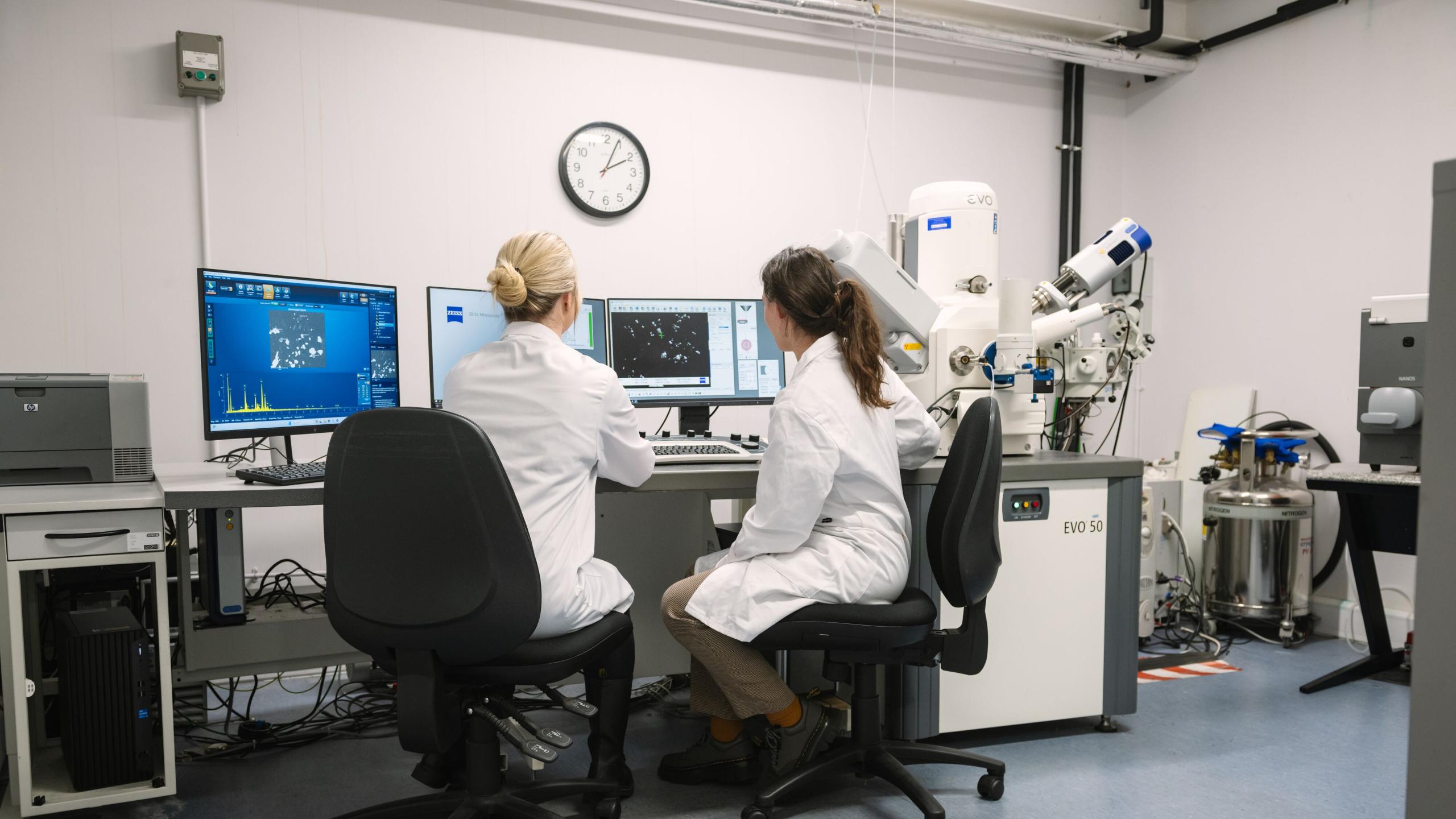
Our School of Life Sciences, Pharmacy and Chemistry offers an outstanding and diverse portfolio of undergraduate and postgraduate programmes. We've invested heavily in state-of-the-art facilities. Our £6.8 million laboratories enable students to gain practical experience with cutting-edge equipment.
Studying Biochemistry can form the first step towards a wide range of careers. Our students go on to pursue academic research, or impactful jobs in the health, food, and agriculture industries.
By studying Biochemistry at our Penrhyn Road campus, you will have access to a modern environment with a wide range of the latest equipment. Our expert equipment includes gas and liquid chromatography, electron and confocal microscopy, and a range of spectrometers, to survey mass, infrared and nuclear magnetic resonance. Working closely with our team of technicians, you’ll gain hands-on experience for a career in Biochemistry.
Biology, biochemistry and biomedical science at Kingston University
Biology, biochemistry and biomedical science students are getting answers to some of the world's biggest questions through their studies. Discover where their passion is taking them.

What makes a difference here is the support from the lecturers. They’re not just knowledgeable—they’re approachable, down-to-earth, and genuinely care about helping you reach your goals.
Why choose this course
Not only are we ranked Gold in the Teaching Excellence Framework, we’re also accredited by the Royal Society of Biology (RSB). What’s more, in the National Student Survey (NSS) 2024, 100% of students on our Biochemistry course were positive about how their course challenged them to achieve their best work.
Throughout the course, you'll acquire the knowledge and technical skills to work in a wide variety of roles, including those in the biotechnology and pharmaceutical industries. We encourage students to pursue further research, to contribute to our understanding of how biochemistry underpins all human life.
In your final year, you will immerse yourself in a lab setting and experience what it is like to test various clinical testing as well as studying the blood of patients. You'll also have the opportunity to work on an independent research project on a specialist topic that inspires you.
We have updated our modules to enhance student-centred teaching and align course content with industry needs, helping you become a future-proof graduate.
In the National Student Survey (NSS) 2024, 100% of students on our Biochemistry course were positive about how their course challenged them to achieve their best work.
Accreditation
This course has been accredited by the Royal Society of Biology (RSB). Kingston University graduates from this programme will receive one year's free membership of the Royal Society of Biology.

Course content
Year 1
Year 1 provides you with a firm foundation in the biological and chemical principles on which life is based. You will gain a comprehensive overview of biochemistry, from the atomic level to that of the whole body. Subject areas include the fundamentals of chemistry, cells and tissues, genetics and molecular biology. A scientific and practical skills module will also introduce you to important laboratory techniques and the necessary mathematics, statistics and IT required by biochemists.
Core modules
Year 2
Year 2 introduces some of the more-specialised aspects of biochemistry. You will gain a detailed knowledge of the following:
- protein function, structure and analysis
- the major metabolic pathways
- organisation and physiology of cells including cell signalling
- genes and their expression
- microbiology
- the application of research methods.
You will also explore a range of bioanalytical techniques employed in the pharmaceutical industry.
Core modules
Year 3
In Year 3, you will explore current concepts in biomolecular science, immerse yourself with bioinformatics and learn the functions of a hospital laboratory with clinical biochemistry and haematology. You will also undertake an independent research project, providing an opportunity to research a topic of your choice within your specialism as either a laboratory, data project or a systematic review.
Core modules
Science Foundation Year
If you would like to study one of our science degrees at Kingston University but are not yet ready to join the first year of a BSc (Hons) course, you can include an extra foundation year within your chosen degree. Please see the science foundation year course page for details of modules.
International students: direct application
Are you an international student? Have you decided Kingston is the place for you? If so, you can apply for this course directly, rather than having to go through UCAS.

Biochemistry at KU has a strong practical focus which means it will give you the hands-on lab experience you would need to use in the future, KU has a very supportive learning environment.
What career opportunities does this course offer?
After graduating from this course, you'll be ready for graduate entry to a career in a range of sectors and roles:
- Pharmaceuticals
- Biotechnology
- Forensics
- Graduate teaching assistants
- Research scientists
- Clinical research associates
- Data scientists
- Pharmaceutical industry
- Medical writer
- Scientific editor
- Patent law
- Medical affairs
- Medicine
- Teaching
- Business management
This degree also provides a great base if you choose to go on to further study at postgraduate level.
Future Skills
Our Future Skills programme is embedded within all our undergraduate courses and throughout the whole Kingston experience. These skills will help you to become a future-proof graduate by equipping you with the skills most valued by employers, such as problem-solving, digital competency and adaptability.
As you progress through your degree, you'll learn to navigate, explore and apply these graduate skills. You’ll also understand how to demonstrate and articulate to employers how these future skills give you the edge.

Teaching and assessment
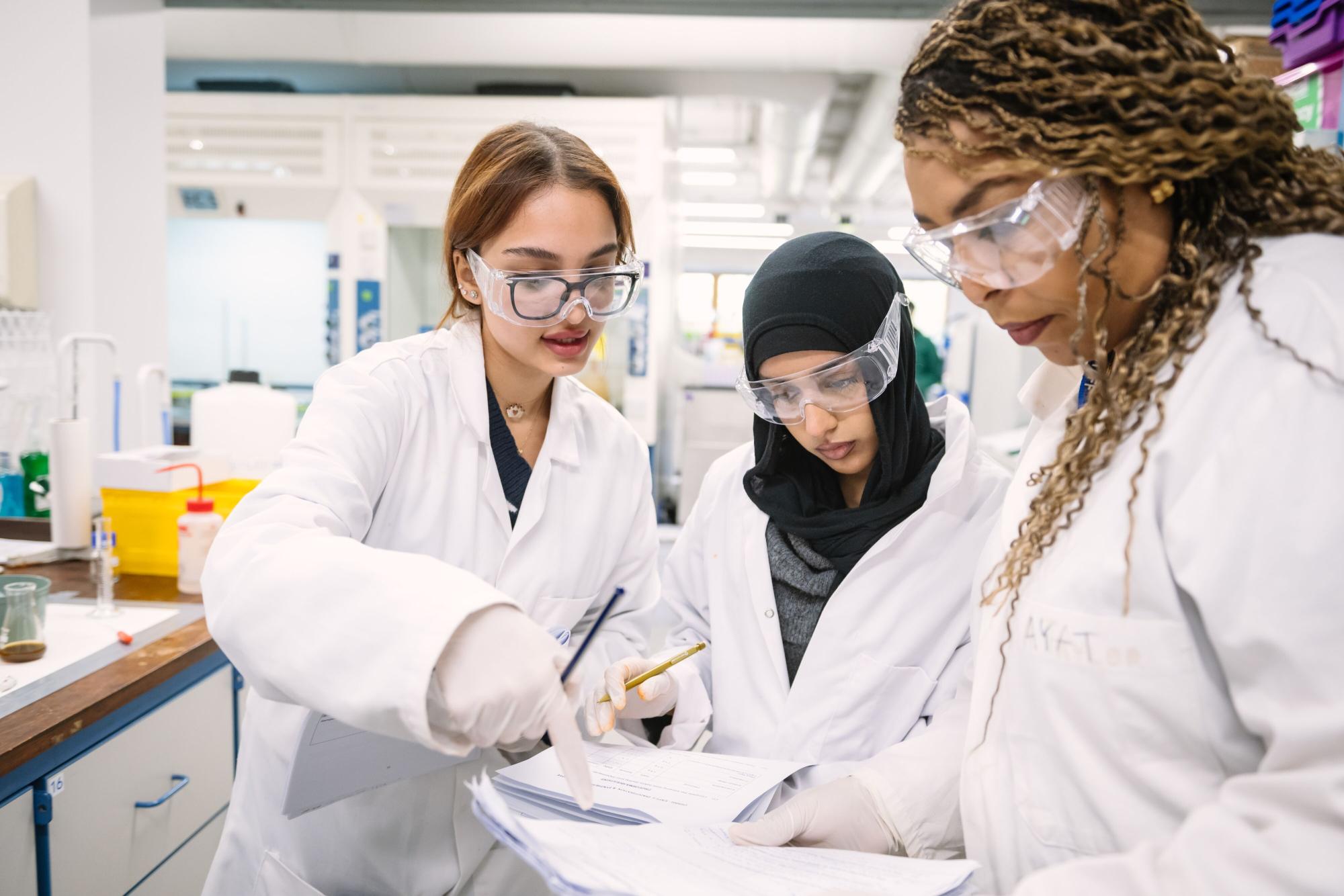
Scheduled learning and teaching on this course includes timetabled activities including lectures, seminars, small group tutorials and practical sessions.
It may also include placements, project work, workshops, conferences and field trips.
Reflecting on the work you've personally produced was unexpectedly my favourite part. When you research your topic in such detail, you feel like a professional in your subject which is empowering.

Fees and funding
Additional course costs
Some courses may require additional costs beyond tuition fees. When planning your studies, you’ll want to consider tuition fees, living costs, and any extra costs that might relate to your area of study.
Your tuition fees include costs for teaching, assessment and university facilities. So your access to libraries, shared IT resources and various student support services are all covered. Accommodation and general living expenses are not covered by these fees.
Where applicable, additional expenses for your course may include:
Scholarships and bursaries
For students interested in studying this course at Kingston, there are several opportunities to seek funding support.

Course changes and regulations
The information on this page reflects the currently intended course structure and module details. To improve your student experience and the quality of your degree, we may review and change the material information of this course. Find out more about course changes
Programme Specifications for the course are published ahead of each academic year.
Regulations governing this course can be found on our website.
What our students and graduates say
KU academic staff are one of a kind. They see you as more than just a student and really care about your success during and after university.
It pushed me to deal with cutting-edge research and think critically about emerging problems in consciousness and neurobiology. It was so rewarding to contribute to a niche area while acquiring transferable skills in data analysis, academic writing, and scientific reasoning.
I would personally say Kingston University strikes a great balance between strong academic teaching and real hands-on lab experience. Right from the first year, we were encouraged to take what we learned in lectures and apply it in practical settings. By final year, we were running our independent research in the labs.
What are the facilities like?
When you join Kingston University, you will have access to a wide range of facilities and resources designed to support your studies. Use the virtual tour below to explore some of the facilities you will use as part of your course.











Key information
The scrolling banner below displays some key factual data about this course (including different course combinations or delivery modes of this course where relevant).

