Media & Communication BA (Hons)
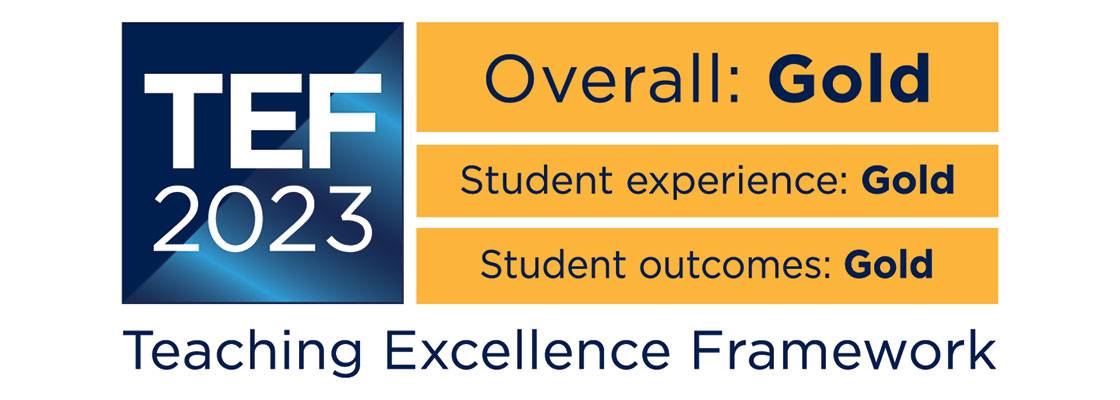
Teaching Excellence Framework (TEF) Gold award
Our commitment to high quality teaching has been recognised with a TEF Gold rating. The University has received an overall rating of Gold, as well as securing a Gold award in the framework's two new student experience and student outcomes categories.
Why choose this course?
Kingston University was ranked No. 2 in London and Top 10 in the UK for Media & Film Studies in the Guardian University Guide 2024.
Get the creative and critical skills you need to handle life in a networked media world. Gain the expertise to produce dynamic content and communications and make sense of changing times, from identities on social media to global challenges such as AI, deep fakes, political division, sustainability and climate change.
This course enables you to thrive in modern media environments and empowers you with a thorough knowledge of where social and technological change will take us. You will graduate with a portfolio of exciting and innovative audio, visual and digital outputs to launch your career.
| Attendance | UCAS code/apply | Year of entry |
|---|---|---|
| 3 years full time | P300 | 20242025 |
| 4 years full time including foundation year | P900 | 20242025 |
| 6 years part time | Apply direct to the University | 20242025 |
Please note: Teaching on this course may take place on more than one KU campus.
| Main location | Penrhyn Road |
Reasons to choose Kingston
- Work on live briefs with real clients such as local charities Community Brain, Landmarks Arts Centre, Student Hubs, Fairbeats and Superhighways, enabling you to engage in project management, pitch ideas, and further your personal and professional development.
- Build creative media skills in audio, visual and digital communications and create a professional portfolio of interactive media, video documentary, drama and commercials, media campaigns, social media assets, podcasts, scripts, brochures, websites and other professional outputs.
- Gain hands-on experience in industry-standard practice facilities, including a dedicated TV Studio, photography studios, digital video and audio editing suites, podcast rooms, and animation labs.
- Be empowered to make a difference by learning to recognise and assess the dynamics of social and technological change in contemporary media environments.
Career opportunities
We work closely with the Careers and Employability Team to embed skills in our curriculum and help students shape their career. Recent graduates work as social media managers, account executives, digital journalists, copywriters, web editors and video producers. Employers include Barcoff studios, Apple, the BBC, Saatchi Gallery, Discovery Channel, Google Play and Winkreactive.
The Art School Experience
As part of Kingston School of Art, students on this course benefit from joining a creative community where collaborative working and critical practice are encouraged.
Our workshops and studios are open to all disciplines, enabling students and staff to work together, share ideas and explore multi-disciplinary making.

What our graduates say

Jessica Ballard
The Media and Communications course has enabled me to develop and build on theoretical knowledge and practical skills which has helped me to establish my own brand identity and freelance work in my business 'tiny mouse media'. I have been able to acquire key skills and attributes which I will be able to take into any workplace environment and my postgraduate studies.
Andrew Obeng Stevens
My time at Kingston was...great. I was able to learn and develop skills in a modern environment, with very supportive and highly knowledgeable tutors, as well as being able to access a great deal of high-quality resources to aid my work... All in all, I am pleased with my experience of Kingston University.

Daniela Chaneva
I came to Kingston University as a mature student in 2020, and from the very start I felt welcomed and included. In my three years at the University, I was exposed to various areas of knowledge and academic insights, and managed to acquire a vast understanding, not only within the topics that were part of my degree but also within different theoretical and practical fields.
Applying for the Media and Communication course was one of the best decisions I have ever made. As in any other environment, it takes hard work if you want to achieve the best possible results, but every step of the way I felt supported by all my lecturers and the Department as a whole. I can only say, "Thank you", to everyone at the Department of Journalism, Publishing and Media who continuously encouraged me and believed in me!
Gallery of student work
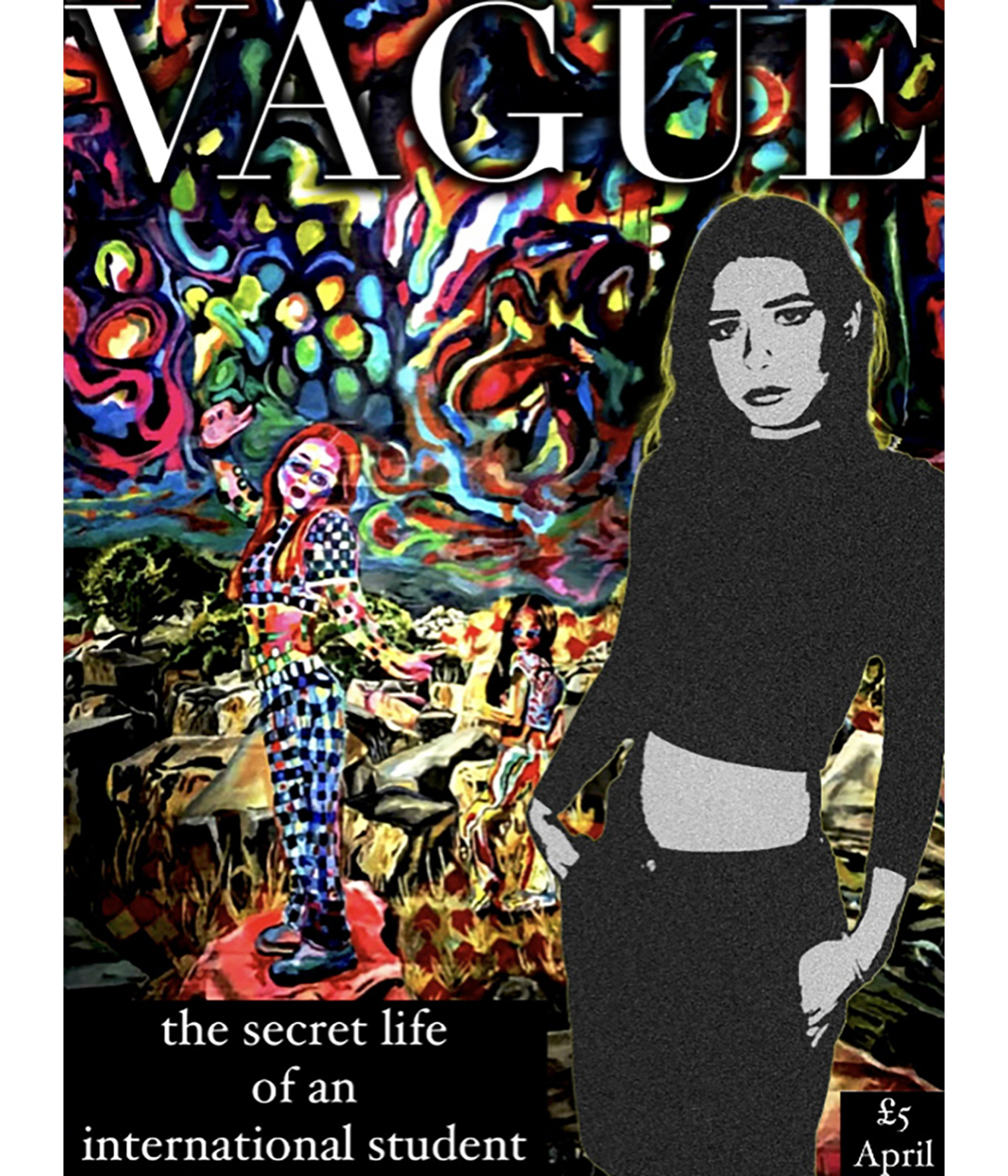
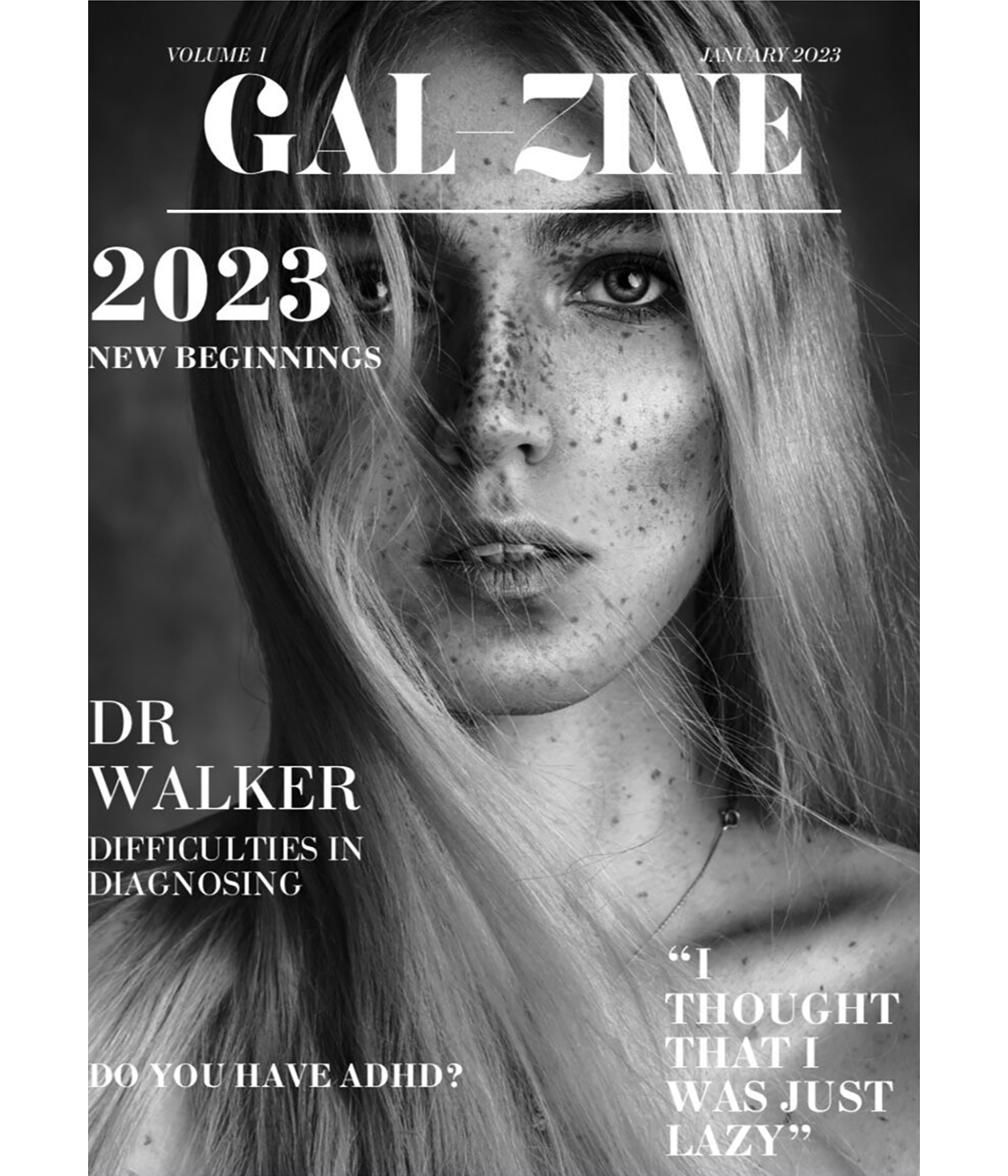
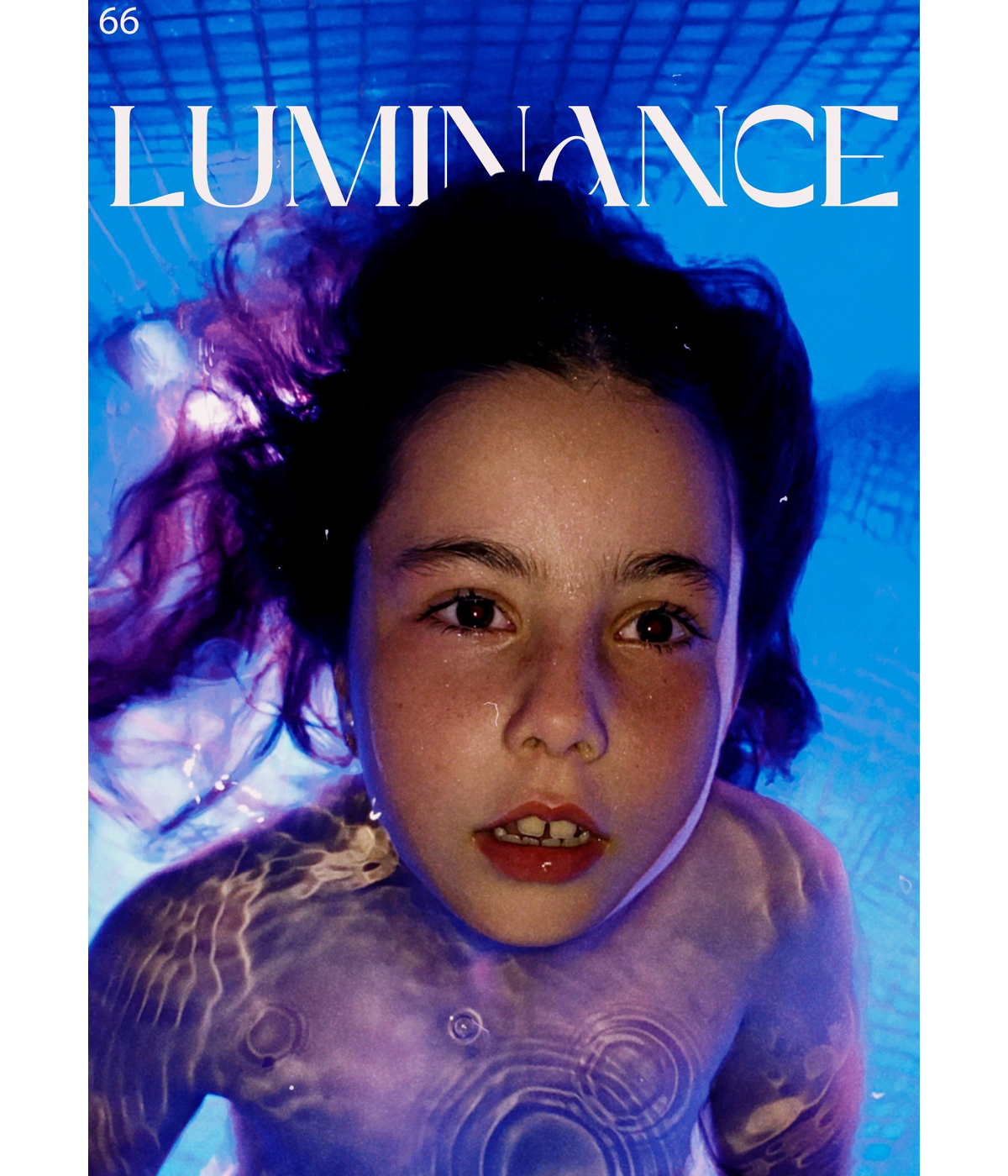
Student work
What you will study
Through a range of exciting modules you will learn how to critically analyse emerging debates in networked media, produce assets and create content, undertake self-managed research, manage projects, initiate innovative ideas and prepare for a professional life working in the media communications industries and beyond.
Modules
Year 1
Year 2
Optional year
Final year
Year 1 introduces you to media literacy in the age of digital social networks. You explore and critically analyse the impact of social media on our lives and how it interconnects and shapes individual and collective identities. You learn how framing strategies are used to create content and social news across platforms.
You start to build your practical creative skills in digital, visual and audio production, as well as learning about working within media and communications, with lectures and talks from industry professionals, to develop your self-awareness and personal development plans.
Core modules
Media@Work
30 credits
This module enables you to explore how the Media and Communications industries generate, circulate, and promote information by drawing on different media and their interconnectedness. You will be introduced to aspects of the media industry, including its structure and organisations, production processes, content, and audiences. You will consider your potential role within the media industry.
As part of this, the module helps to ensure that you will benefit from the Personal Tutor Scheme, and of the input provided by the Careers & Employability Service, the Enterprise Team, Kingston Hub, and LinkedIn Learning.
This module will also help you to develop professionally through Future Skills which will include, but is not limited to, creative problem-solving, questioning, self-awareness, digital skills, adaptability, and resilience. These skills are enabled through Design Thinking methodology which is a collaborative, user-centred approach for creativity and innovation.
You will develop your personal development plan (PDP) which is specifically geared towards a researched job role in the media industry for which you will articulate your transferrable and Future Skills. This takes a reflective approach and encourages your engagement with media and communication in order to develop your professional identity.
Digital Media Foundations
30 credits
This module aims to acquaint you with historical and contemporary digital media practices and design principles as a basis for developing media communication skills. You will develop visual thinking, software skills and an understanding of the range of digital media production by selectively experimenting with digital form and content. The module also provides you with the opportunity to bring knowledge from other modules and apply it to your digital artefact.
In Year 2, you'll build on the theoretical and conceptual understandings developed in your first year on the core module Researching the Media: Key Theories and Methods. You will also study the legal requirements of journalism in Practical Journalism 2 and you can diversify through studies in global political communication and the history of journalism.
You can study abroad or take a work placement in your second year at locations in Europe, the United States, and Australia.
#NetworkedMediaLives
30 credits
This module is an introduction to media literacy in the age of digital social networks. The time we spend online is increasing to almost half of our waking lives. Thanks to rapid advances in mobile media technologies, more areas of social interactions and daily activities are carried out online. What is the impact of social media use on our well-being? In what ways does it shape individual and collective identities? Can our mediated and networked lives influence our feelings, beliefs, thoughts, and behaviour?
To engage these questions, we will develop critical strategies and creative practical skills to navigate the different sites of old and new media environments. We aim to investigate four key areas: how reality is perceived and communicated; what motivates networked sociability; how identities and lived experiences are performed and narrated through images, text, sound, and data; and what concrete problems or challenges are specific to life in social media networks.
The module is focused on active learning combining guided readings and viewings with practice-based seminar activities. Students are encouraged to draw on their own situated knowledge and experience of their immediate media environments to build a portfolio of media works relevant to the module. The assessment tasks aim to develop a critical and contextualised understanding of innovative and emerging perspectives on present, and future social media and networked environments.
Content Creation and Social News: analysis and practice
30 credits
This module introduces students to storytelling and framing strategies used to create content and social news across multiple platforms.
Through critical, analytic, and creative practice, students learn how breaking news narratives, everyday stories, and viral social media content function culturally and politically in local and global contexts.
The module also enables students to develop essential skills with critical summary, planning, collaborative engagement, self-awareness, global awareness, creative communication, and technology required for successful undergraduate study.
In Year 2 you will continue to build knowledge and understanding of current and emerging debates around networked media environments and develop your critical and research skills.
You will grow your digital media production and content creation abilities through collaborative and individual practical projects and begin to develop a portfolio of media and communication pieces.
You can choose to explore different types of narratives in optional modules on digital storytelling, scriptwriting or identity and difference.
You can study abroad or take a work placement in your second year at locations in Europe, the United States, and Australia.
Core modules
Researching the Media: Key Theories and Methods
30 credits
This module builds on the theoretical concepts introduced via prior learning, looking closely and in more depth at how these concepts emerged and developed in the twentieth and twenty-first centuries, and examines their utility in the understanding and analysis of contemporary media and communication cultures. It also introduces students to the research methodologies associated with the discipline of media and communication through a series of Research Methodology Workshops. These workshops will both re-cap on the relation between theory and practice explored in the module and prepare students for undertaking research using a methodology of their choice that address a particular topic or issue in the field of media and communication.
Digital Media Practices
30 credits
This practical module aims to consolidate the knowledge and skills acquired in Year 1 where students developed visual thinking and software skills including video editing. It provides students with the skills and experience needed to research, plan and design digital media projects reflecting on their cultural identity and how this influences their thinking and professional creative practice. Students also work in groups following client's briefs for real work experience.
Optional modules
Identity and Difference
30 credits
This module introduces major theories in media and communication studies in order to explore the ways in which different social groups – different ‘identities'– are represented in the media as well as the lived experience of these identities. The module examines both mainstream and alternative media representations of gender and sexuality, 'race' and ethnicity, social class and national identity, diasporic identities, and disability. These are approached through theories that focus on the significance of ideas of ‘identity', ‘difference', ‘culture', ‘communication' and ‘ideology' in these representations. The module also addresses the ways in which the media address different audience groups in terms of their gender/sexuality, class, disability and ‘race'/ethnicity.
Digital Storytelling
30 credits
This practical module aims to develop your skills and abilities to produce digital products - audio, video, games, images - in a way that meets contemporary audiences' changing expectations. You will consider how digital technology can be used to deliver media in the most compelling ways, and analyse how digital storytelling is altering both audiences and the wider media industry. The module aims to provide you with the specialist vocabulary, concepts and skills required for the use of digital storytelling in a variety of professional contexts such as commercial and educational campaigns and the interactive media industries.
You will consider the short history and emergence of digital storytelling by looking at case studies from various media such as news, television and the internet. You will look at the role of digital storytelling in narrative theory, such as the representation of narrative action, plot and character, and the use of words, images and sound as narrative devices. You will learn how to apply this knowledge to your own media production projects.
Methods for the formal presentation of plans for digital stories such as storyboards and structure diagrams will be covered. You will learn skills in identifying a story with strong audio visual potential and how to grab the attention of the audience. You will further develop competence in recording audio, shooting photography and video, animation, building interactive games and incorporating powerful narrative into the production edit.
Screenwriting
30 credits
Film is often seen as a director's medium, rather than a writer's. This course doesn't debate the relative claims of either - it retains a strong commitment to the visual - but its primary focus is on the construction of script and, in particular, the screenplay of the mainstream narrative film. The cornerstone of the module is an exploration of what makes an effective screen story through analysis of dramatic structure. The tutors on this module, both experienced screenwriters, contend that all genres of screen narrative use essentially the same core principles of storytelling and that an understanding of how these principles work is a creative tool: we can use them to create our own stories and adapt them to different forms. First, through close study of several successful films - focusing in particular on structure and character - you will be taught the contribution of the screenplay to how a film is constructed and why it succeeds. Second, with particular emphasis on dialogue and the craft of visual storytelling, we will guide you to the creation and completion of your own short screenplay, providing you with models (in both film and script form) from a selection of short films, and teaching you how to present and format your script.
In your final year, you'll take the Dissertation module, enabling you to work in-depth on a topic of your choice under the supervision of a subject specialist.
Seminars provide a more intimate forum for the detailed exploration of texts, with student presentations and discussion.
You will also have the chance to study abroad, which is a good opportunity to boost employability, gain language skills and experience a different culture.
In your final year, you will have the specialist knowledge and research skills to complete a major piece of independent work on a specific communication or media topic of your choice. You can write a dissertation or complete a practical project and work together with your peers to organise a student-led symposium to present your work-in-progress for the final project.
Modules with elective strands give you the chance to explore areas of personal interest: delve into a range of issues in contemporary media environments from digital art practices, cult social media, digital folklore to the evolution of celebrity and influencer cultures, sustainability, environmentalism and AI. You will also engage with a range of work sectors and job functions in the media, communications and creative industries like: PR and advocacy, social media management, creative media, or sales and marketing in a work-based learning module, which also develops your critical reflection skills to make you into a thinking practitioner. You can also select specialisms like TV Production or media management to suit your career path.
You will also have the chance to study abroad, which is a good opportunity to boost employability, gain language skills and experience a different culture.
Core modules
Issues in Contemporary Media Environments
30 credits
This strand-based module builds on students' awareness and experience of living in contemporary digital media environments. Strands vary each year to reflect current debates related to one area of practice and research in emerging media technologies. Each strand will look at how the selected issue is represented in public debates, or how it is treated in media policies and regulations. Strands are broadly focused on: AI and machine learning, issues in digital art practices, cult social media and digital folklore, evolution of celebrity and influencer cultures, sustainability; environmentalism; and transnational online streaming environments.
Each strand is taught by a different lecturer and has its own syllabus and reading lists. Whilst the number and specific focus of the strands may vary from year to year, the content is always current and teaching delivery pattern as well as assessments in various strands remain the same.
Media Research Project
30 credits
This module integrates multidisciplinary creative practices, theories of media and communication and research methods while undertaking an extended piece of writing or practice-based research. In the process, you will become more aware of theoretical debates, review research strategies, analyse the findings, synthesise research, develop a coherent, structured argument and draw conclusions.
It fosters a deeper understanding of what it is to be a researcher and creative practitioner in the media industries and professions, in the arts and social sciences, media arts and technology, digital humanities and cultural studies. It is pretty much up to you! You come up with a topic that really interests you and start researching.
As well as attending the seminars, this module is about working independently and discussing your work with your supervisors so they can guide your research. In addition students will work together to organise a symposium and present their work. In doing so, they will develop their critical analytical and transferable professional skills.
Working in the Media
30 credits
This highly practical module allows students to explore in-depth and actively engage with a range of work sectors and job functions in the media, communications and creative industries which could include, for example: PR and Advocacy, Social Media, Creative Media, Project Development and Management, Publishing etc. They will apply their newly-gained specialist knowledge using their acquired skills to the production of a portfolio of cutting-edge media and communication outputs to facilitate their transition into graduate level employment
Parallel taught sessions will help students to develop their critical thinking and to consider what is required to become a reflective practitioner. These classes will also look at career development and offer information and discussion on graduate progression and employability skills as well as jobs in media, communication and related areas.
Optional modules
Art/Media Management and Production
30 credits
This special study examines art / media management and production in relation to opportunities and challenges posed in the current digital landscape. Students are able to familiarise themselves with how projects are managed; rights management issues, defining and understanding rights in the context of their own topical areas of interest; professional practice; and/or, production work. Looking at such rights as copyright, brand rights, image rights, privacy, freedom of expression and information, censorship, and regulation - students explore how these work in practice. They also develop knowledge and understanding of the use of agreements and of licensing, and relate these to art / media production and, professional practice. Students have a wide range of case studies to focus on: film, music, fashion, advertising, PR, publishing, and art; global media production and cultures of appropriation.
There will be an opportunity for portfolio development and the study of theoretical aspects of ‘digital disruption', the impact and use of free / open media and, how making media is affected by share culture, remix/mashups. Production work with archives and issues raised by archival rights are an important focus and students learn how to navigate these. To understand what happens to art and media work once produced, students look also at distribution, the rights affecting distribution, and the impact on these of e.g. download culture, cultural appropriation, globalisation; transborder flow, media convergence and spreadability.
Box Set Television Drama
30 credits
Drama has always been a key TV genre - and with the rise of streaming platforms like Netflix, Amazon we can binge-watch more than ever. In Box Set Television Drama, we'll explore how a successful series is created – and how to pitch one.
Television Production
30 credits
This is a practical module designed to enable students to experience and work in a professionally-focused industry environment, and develop television production skills such as multi-camera operation, sound, mixing and teleprompting. Students will learn how to work and operate a professional broadcast studio as well as developing TV production skills. In addition, students will build on and reinforce employability skills such as problem-solving, time management and dependability sought by employers looking to fill graduate positions. Students will be encouraged to reflect on their professional practice and critically evaluate their teaching and learning contributions.
Please note
Optional modules only run if there is enough demand. If we have an insufficient number of students interested in an optional module, that module will not be offered for this course.
Foundation year - Humanities & Arts
You can also study this course with a Foundation year.
Future Skills
Knowledge to give you the edge
Embedded within every course curriculum and throughout the whole Kingston experience, Future Skills will play a role in shaping you to become a future-proof graduate, providing you with the skills most valued by employers such as problem-solving, digital competency, and adaptability.
As you progress through your degree, you'll learn to navigate, explore and apply these graduate skills, learning to demonstrate and articulate to employers how future skills give you the edge.
At Kingston University, we're not just keeping up with change, we're creating it.

Entry requirements
Teaching and assessment
Scheduled learning and teaching on this course includes timetabled activities including lectures, seminars and small group tutorials.
It may also include critiques, project work, studio practice and performance, digital labs, workshops, and placements.



Course fees and funding
Additional costs
Depending on the programme of study, there may be extra costs that are not covered by tuition fees which students will need to consider when planning their studies. Tuition fees cover the cost of your teaching, assessment and operating University facilities such as the library, access to shared IT equipment and other support services. Accommodation and living costs are not included in our fees.
Where a course has additional expenses, we make every effort to highlight them. These may include optional field trips, materials (e.g. art, design, engineering), security checks such as DBS, uniforms, specialist clothing or professional memberships.
Course combinations
You can study Media and Communications with a foundation year, or choose to study Journalism and Media as a combined course:
- Media and Communications BA (Hons) with Foundation - UCAS code: P900
- Journalism and Media BA (Hons) - UCAS code: PP53
After you graduate
Careers and progression
Recent graduates work as social media managers, account executives, digital journalists, copywriters, web editors and video producers. Employers include Apple, Barcoff Studios, the BBC, Discovery Channel, Google Play and Saatchi Gallery.
Types of jobs
- Social media executive
- Film-maker
- Copywriter
- Creative designers
- Account executive
- Web content editor
- Lead reporter
- Video producer
- Writer
Recent graduate destinations
- Apple
- Birmingham Art Galleries
- BBC
- Deloitte Digital
- Google Play
- French Radio London
- Pixeled Eggs
- Purple PR
- Winkreative
Key information set
The scrolling banner(s) below display some key factual data about this course (including different course combinations or delivery modes of this course where relevant).
Course changes and regulations
The information on this page reflects the currently intended course structure and module details. To improve your student experience and the quality of your degree, we may review and change the material information of this course. Course changes explained.
Programme Specifications for the course are published ahead of each academic year.
Regulations governing this course can be found on our website.