

Inequalities and Critical Midwifery Studies Special Interest Group
The Special Interest Group on Inequalities and Critical Midwifery Studies will address systemic injustice and its impact on sexual, reproductive, maternal, and newborn health.

Building an inclusive research network for reproductive justice
The effects of this injustice are reflected in the high maternal and neonatal morbidity and mortality rates in former colonised countries of the Global South, and in marginalised and ethnic minoritised communities of the Global North. There is an urgent need to look at power structures and institutional discrimination, exclusion, and deprivation, and how these contribute to health inequalities.
Midwifery research is increasingly engaging with Critical Midwifery Studies, which builds its approach on critical theory, such as:
- intersectional, transnational, and postcolonial feminisms
- womanism
- critical feminist theory
- critical race theory
In addition, it also includes perspectives from:
- Black studies
- social reproduction theory
- cultural health capital theory
- queer studies
- social configuration theory
- reproductive justice theory
- decolonial and postcolonial theories
- (dis)ability studies
- anti-capitalist critique
- critical pedagogy
- care ethics
These fields have developed insights that are vital for understanding the existing and continuous reproduction of injustice within:
- sexual care
- reproductive care
- maternal care
- newborn care
Maternal mortality rates
When focusing on the UK, the crisis of Black and Brown maternal and perinatal mortality has regularly featured in national media reports. Maternal mortality rates have been found to be more than four times higher for Black women and birthing people, two times higher for mixed ethnicity women and birthing people and almost twice as high for Asian women and birthing people.
Report findings
The Mothers and Babies: Reducing Risk through Audit and Confidential Enquiry UK (MBRRACE-UK) report has shown profound racial inequalities, with poorer pregnancy outcomes of maternity care for Black and Brown women and birthing people.
Similar trends have also been identified in other high-income countries such as the US, Canada, New Zealand and Australia, where racialised ethnic minoritised groups and Indigenous/Aboriginal people experience higher incidence of maternal and infant mortality and worse birth outcomes.

Special Interest Group activities
This research group will build a research and scholarship-friendly environment through opportunities for:
- workshops
- invited talks
- continuing professional development events for staff and students
This Special Interest Group alongside others in that were developed earlier in the Faculty of Health, Science, Social Care and Education will tackle issues related with:
- inclusion
- disparities
- social justice

About the research group leader
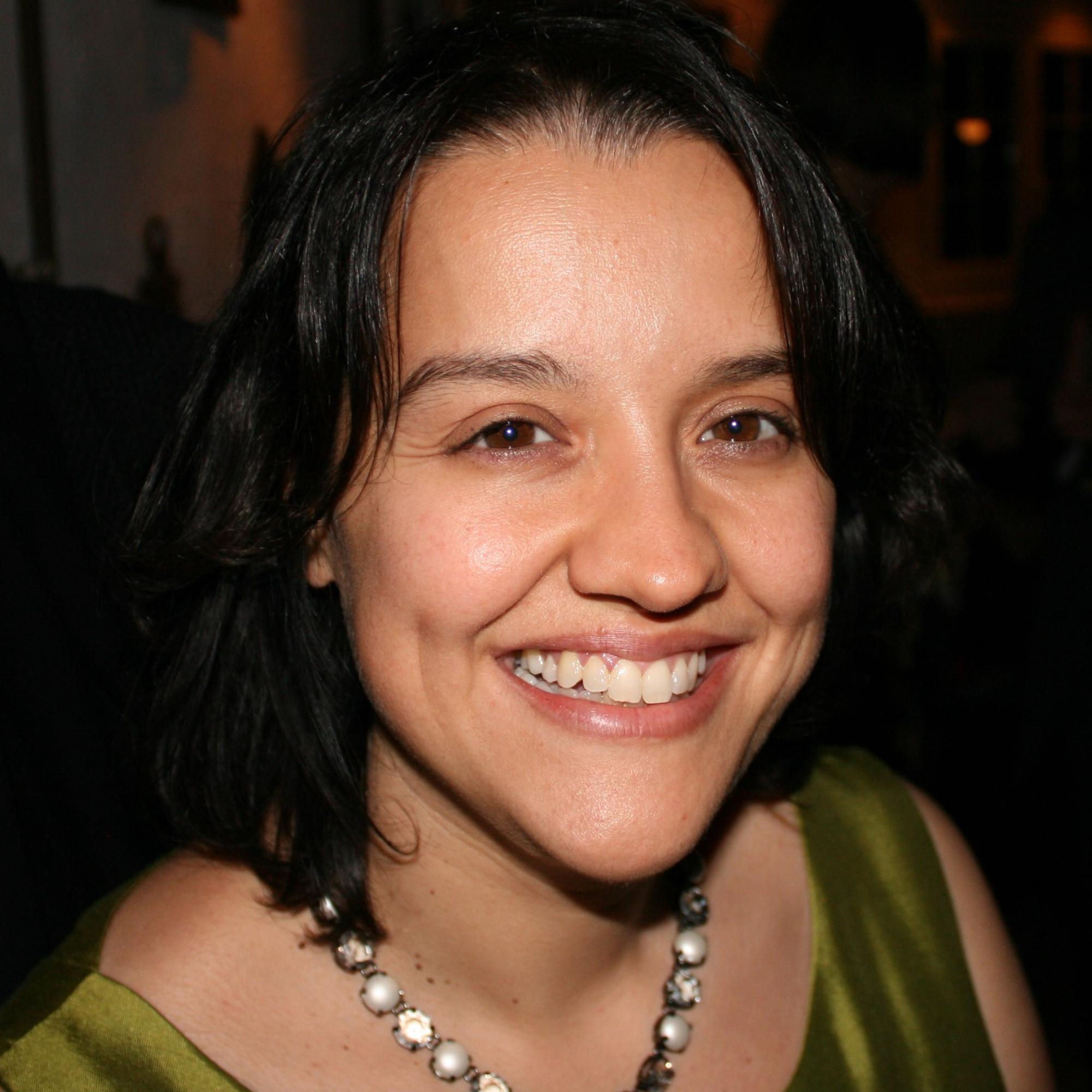
The Special Interest Group will be led by Dr Melania Calestani, a Senior Lecturer and Department Lead for Research in the Department of Midwifery. Melania is a medical anthropologist with postdoctoral experience in health services research and social sciences.
Explore your future in midwifery
Find a course that empowers you to facilitate positive experiences for women and birthing people.
