

Logistics and Supply Chain Management MSc
- Business and management
- Postgraduate
Kingston University’s MSc in Logistics and Supply Chain Management, accredited by CIPS and CILT, will give you the knowledge and skills you need to pursue a career in this high-powered industry.

Professional and academic excellence in logistics and supply chains
Navigate the needs of a fast-changing world
Studying this MSc in Logistics and Supply Chain Management at Kingston University will equip you to pursue a career in procurement, logistics and distribution or supply chain management.
During the course, you’ll have opportunities to take part in consultancy work with real clients and complete a research project on an issue that interests you.
This course is accredited by the Chartered Institute of Procurement and Supply (CIPS). When you graduate, you just need three years’ experience in purchasing and supply management to become a full member of the Institute – perfect for opening new doors to employment. The course is also accredited by the Chartered Institute of Logistics and Transport (CILT), providing access to extensive industry resources, professional development, and a global network of logistics and supply chain professionals
You’ll study the core concepts and principles of business logistics and operations management, gaining critical insights into contemporary issues. You’ll study the effects of technology, zero carbon logistics, digital transformation, sustainability, supply chain resilience and more.
We designed this programme with full accreditation from the Chartered Institute of Procurement and Supply (CIPS) and the Chartered Institute of Logistics and Transport (CILT). You’ll study a solid syllabus built on concepts from Kingston’s renowned Operations Research and Management Science Group, and graduate with an academic and professional qualification.
Why choose this course
While you study, you’ll benefit from top quality teaching at Kingston University. Not only are we ranked Gold in the Teaching Excellence Framework, Kingston Business School is also in the 6% of business schools in the world to be accredited by the Association to Advance Collegiate Schools of Business (AACSB) International.
As part of Kingston Business School’s Department of Management, you’ll tap into a future-focused community of industry practitioners, alumni and students. Whether your ambition is to start your own company or become a senior leader in a global organisation, our accredited programmes are here to help you thrive.
Course accreditations
This course has been accredited by the Chartered Institute of Procurement and Supply (CIPS). This means that once you have three or more years' experience in purchasing and supply management, you will become a full member of the Institute and be able to use the letters MCIPS after your name.
Being a member of the Institute will provide you with great opportunities and gives you access to a huge resource relating to supply chain and logistics issues.

This course is accredited by the Chartered Institute of Logistics and Transport (CILT). Once you graduate, you may be eligible for fast-track membership and can work towards becoming a Chartered Member, with the right to use the letters "CMILT" after your name.
Being a member of the Institute will give you access to valuable industry resources, professional development opportunities, and a global network of logistics and supply chain professionals - all of which will strengthen your career prospects both in the UK and internationally.

Ready for business
At Kingston Business School, we believe that professional success is shaped by honing your personal capacity and skillset, supported by the academic framework of knowledge. Through vocationally rich, employer-engaged and research-informed courses, we work alongside our students to help them meet personal goals and career ambitions.

Kingston Business School Accreditation
Kingston Business School holds the prestigious international accreditation by the AACSB (Association to Advance Collegiate Schools of Business) in recognition of the excellence of its business education. This accreditation has been earned by just 6% of the world's business schools and recognises the high quality and standard of our business degree offerings.

Course content
You will gain the practical skills as well as in-depth knowledge of the theory and practice to make an immediate and effective contribution in a logistics-related role. In addition to developing a solid understanding of global business from a strategic and operational perspective; you will cultivate a critical understanding of the external influences (e.g. political, economic, environmental, technical) which influence the roles of, and interrelationships between, supply chain partners and other stakeholders.
This course is delivered on a full-time basis over one year. You will be expected to attend scheduled sessions throughout the day (although not necessarily all day) between Monday and Friday.
In the first semester, you will develop a broad understanding of management concepts, theories and ideas, such as how to manage organisations and supply chains. This provides you with a solid foundation from both strategic and operational perspectives.
In the second semester and dissertation, you will put this knowledge to use through practical application to real situations. One example is through company visits, which students often arrange for themselves. These opportunities to engage with real supply chain managers build your confidence and ability to question established practice.
You will be encouraged to conduct your research project and dissertation on a specific issue that matches your career interests and put theory into practice.
Year 1
Core modules
Year 2 (optional)
The professional placement year is optional. It takes place after the full-time year. It allows students to do a 12-month work placement as part of their course. The work placement is an assessed part of the course and is therefore covered by a Student Route visa.
Find out more about the postgraduate work placement scheme.
Core module
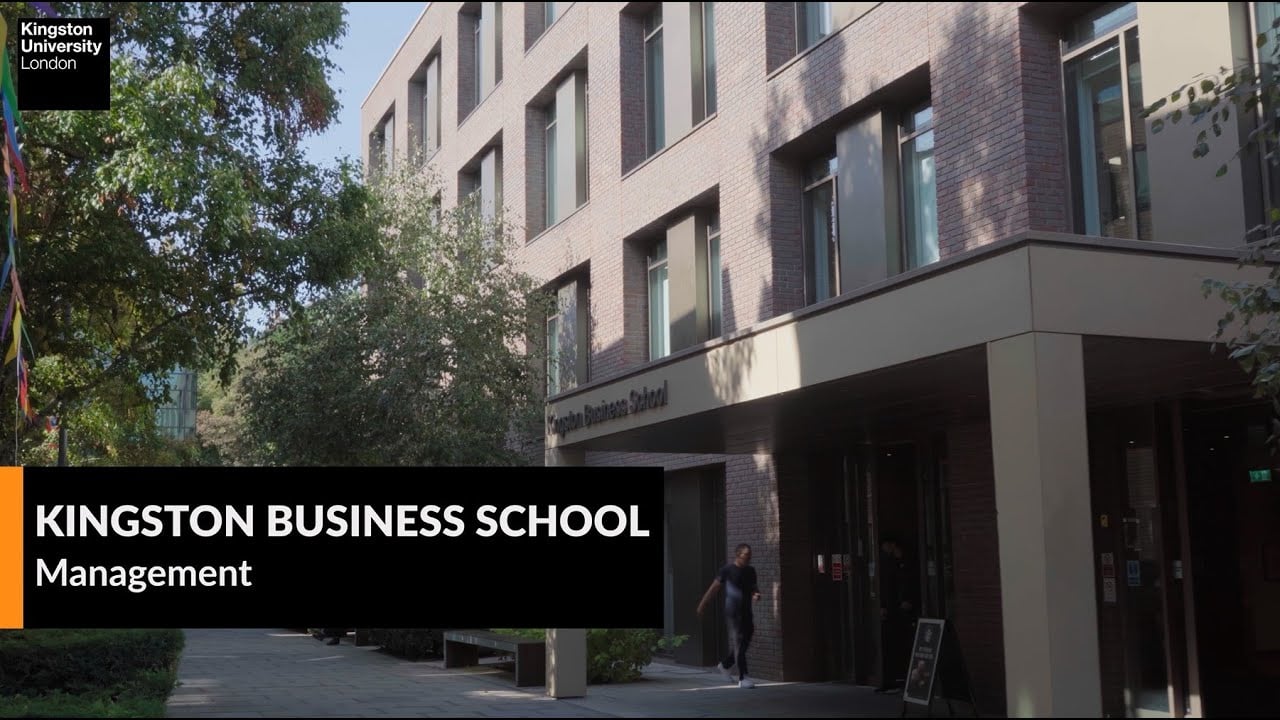
Inside the Department of Management
Hear from Deborah Pinder-Young, Head of the Department of Management, as she explores what it's like to study in the department and the opportunities available to you throughout your studies.
Career opportunities
Teaching and assessment
Fees and funding
Additional course costs
Some courses may require additional costs beyond tuition fees. When planning your studies, you’ll want to consider tuition fees, living costs, and any extra costs that might relate to your area of study.
Your tuition fees include costs for teaching, assessment and university facilities. So your access to libraries, shared IT resources and various student support services are all covered. Accommodation and general living expenses are not covered by these fees.
Where applicable, additional expenses for your course may include:
Funding support for postgraduate students
If you are a UK student living in England and under 60, you can apply for a loan to study for a postgraduate degree. Find out more through the government's website.

Scholarships and bursaries
Interested in studying Logistics and Supply Chain Management MSc at Kingston? The following funding support is available:

How to apply
Before you apply
Please read the entry criteria carefully to make sure you meet all requirements before applying.
How to apply online
Use the course selector drop-down at the top of this page to choose your preferred course, start date and mode, then click 'Apply now'. You will be taken to our Online Student Information System (OSIS) where you will complete your application.
If you’re starting a new application, you’ll need to select ‘new user’ and set up a username and password. This will allow you to save and return to your application.
Please note: If you’re from a country outside the EU or EEA that’s classified as overseas fee-paying, you won’t be eligible to apply for a part-time course because of visa regulations in the UK. For information about exceptions, please visit the UKCISA website or email our CAS and Visa Compliance team.
Application deadlines
We encourage you to apply as soon as possible. Applications will close when the course is full.
Course changes and regulations
The information on this page reflects the currently intended course structure and module details. To improve your student experience and the quality of your degree, we may review and change the material information of this course. Find out more about course changes
Programme Specifications for the course are published ahead of each academic year.
Regulations governing this course can be found on our website.


