Creative Writing MFA
- Language and media
- Postgraduate
The first Master of Fine Arts in Creative Writing in the UK, this course is designed for serious writers who would like to build upon their publishing record or become a published writer. It offers talented and aspiring writers the chance to refine their craft under the tutelage of acclaimed professionals.
Our award-winning former creative writing students include Booker-shortlisted Oyinkan Braithwaite, Joe Pierson, who won the Bridport Prize, Stefan Mohammed, awarded the Dylan Thomas Prize, Bafta-winner, Sarah Woolner, the acclaimed poet Dom Bury and celebrated novelist Faiqa Mansab.

Take your writing to the next level and pursue your dreams of publication
This course offers talented and aspiring writers the chance to refine their craft under the tutelage of acclaimed professionals.
At our Penrhyn Road campus, you will have access to a modern environment with the latest equipment, including the Learning Resources Centre. This offers:
- subject libraries, plus a free inter-library loan scheme to other libraries in the Greater London area;
- online database subscriptions; and
- a growing selection of resource materials.
Kingston is just a 30-minute train journey away from central London, where you can access a wealth of additional libraries and archives, including the British Library.
This course has developed a strong identity in terms of encouraging students to fuse disparate, varied influences in their work.
Creative writing at Kingston University
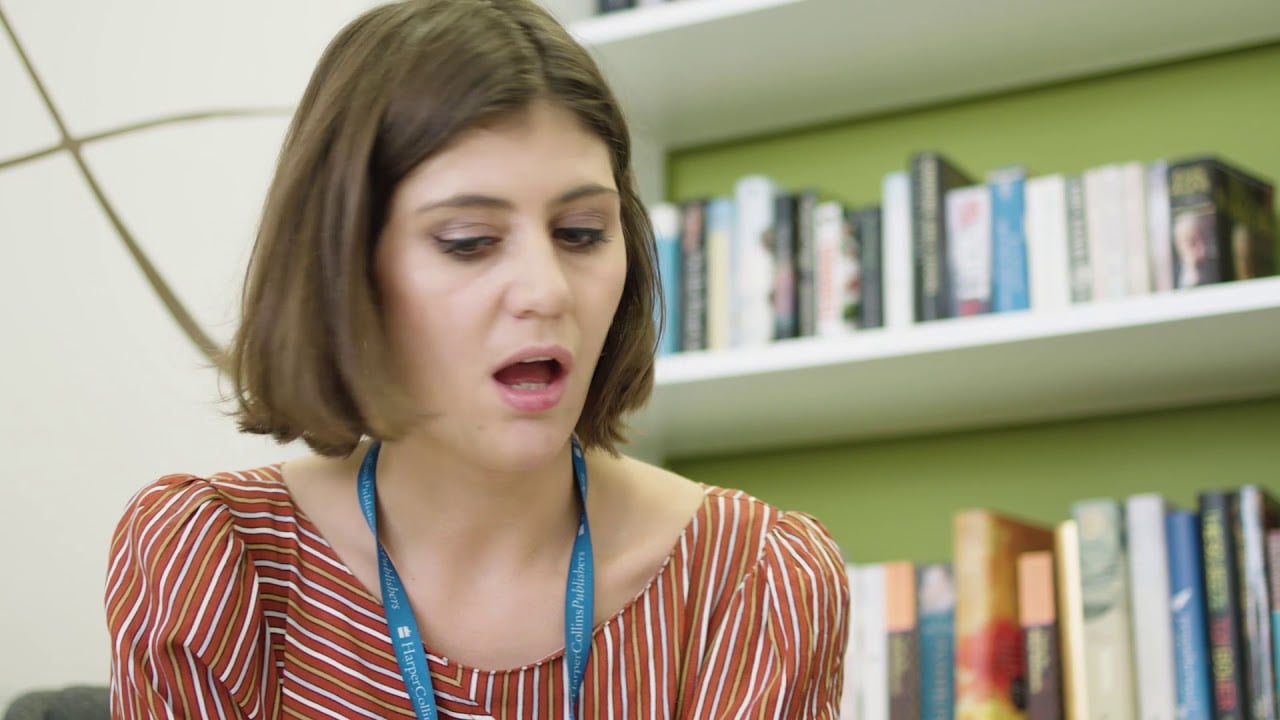
Hear from our students and graduates as they share insights about studying creative writing at Kingston, the opportunities available throughout the course and why they'd recommend it to future applicants.
Why choose this course
Throughout our Creative Writing MFA course, you will develop a unique combination of creative and practical skills, in preparation for a career as a published writer. You will learn in workshops, one-to-one or in small groups, with support from practising and published practitioners and fellow students.
This course is ideal if your writing is already of a good standard but you want to progress towards producing potentially publishable material. As a result, you will have the chance to learn more about the professional elements of writing, such as working with agents/publishers and presenting proposals.
Throughout this course, you will become part of Kingston's thriving community, with events such as:
- a series of masterclasses with publishing specialists and professionals
- weekly guest lectures from leading journalists. These include
- Samira Ahmed – an award-winning journalist with 20 years' experience in print and broadcast
- David Jenkins – editor of Little White Lies
- Richard Moynihan – Head of Digital Journalism, The Telegraph
- Alex Stedman – Fashion Blogger at The Frugality and former Style Editor at Red magazine
- regular readings through Writers' Centre Kingston, which offers an annual programme of events from talks to workshops and festivals. These are hosted and curated in partnership with local institutions, such as The Rose Theatre, the Rich Mix Cultural Foundation, the Museum of Futures and Kingston First
- regular philosophy lunchtime lectures, which focus on a major figure in the history of Western philosophy. These introduce students to that thinker's work, usually through the discussion of one of her or his emblematic works
You will also have the opportunity to contribute to Kingston University's publication, Ripple, which includes fiction, poetry, reviews and creative non-fiction and is edited by students on the course. This provides:
- a platform for the publication of creative work
- a chance to get hands-on experience of the publishing process
You can enrol on the MFA at the beginning of your postgraduate degree at Kingston or after completing an MA in Creative Writing (or a related subject).
The Art School Experience
As part of Kingston School of Art, students benefit from joining a creative community where we encourage collaborative working and critical practice.
Our workshops and labs are open to all disciplines, enabling students and staff to work together, share ideas and explore multi-disciplinary making.

Course content
You'll attend writing workshops, examine literary genre and texts, take a module to prepare you for the world of publishing, and write a 15,000-word dissertation on a topic of your choice in the first year of the course. In the second year, you will progress to smaller group writing workshops. The extensive one-to-one supervision for the dissertation leading to the MFA (no less than 40,000 words) will be provided by one of the course's permanent staff, one of our distinguished professors.
Modules
MFA students need to complete all four MA modules (120 credits) before they can progress to the MFA (second) year. The MFA dissertation has 120 credits. The option modules and dissertation give you the chance to further specialise and pursue an area of interest in depth.
Core modules

Career opportunities
Graduates from this course have achieved multi-book publishing deals or gone on to work in the publishing industry. Others have progressed in careers in translating, writing, journalism, advertising and film.
Teaching and assessment
Book-length creative dissertation; critical reading log of approximately 4,500 words.
Fees and funding
Fees for future course years
Full time
If you start your second year straight after Year 1, you will pay the same fee for both years.
If you take a break before starting your second year, or if you repeat modules from Year 1 in Year 2, the fee for your second year may increase.
Part time
If you study for four consecutive academic years, you will pay the same fee every year.
If you take a break, or if you repeat modules, your future fees may increase in line with the course's annual increase.
Funding support for postgraduate students
If you are a UK student living in England and under 60, you can apply for a loan to study for a postgraduate degree. Find out more through the government's website.

Scholarships and bursaries
For students interested in studying Creative Writing MFA at Kingston, there are several opportunities to seek funding support:
Additional course costs
Some courses may require additional costs beyond tuition fees. When planning your studies, you’ll want to consider tuition fees, living costs, and any extra costs that might relate to your area of study.
Your tuition fees include costs for teaching, assessment and university facilities. So your access to libraries, shared IT resources and various student support services are all covered. Accommodation and general living expenses are not covered by these fees.
Where applicable, additional expenses for your course may include:

How to apply
Before you apply
Please read the entry criteria carefully to make sure you meet all requirements before applying.
How to apply online
Use the course selector drop-down at the top of this page to choose your preferred course, start date and mode, then click 'Apply now'. You will be taken to our Online Student Information System (OSIS) where you will complete your application.
If you’re starting a new application, you’ll need to select ‘new user’ and set up a username and password. This will allow you to save and return to your application.
Application deadlines
We encourage you to apply as soon as possible. Applications will close when the course is full.
Information required to confirm your place
If English is not your first language, we will require proof of your proficiency to allow us to confirm your place on the course. This will generally be either an IELTS or TOEFL test certificate, which can be forwarded to us after you have submitted your application. If you do not hold a formal English language qualification, please indicate how you have acquired your proficiency in written and spoken English.
After you have applied
If the admission tutor wishes to see a portfolio from you, you will be sent an email within three weeks of the date of the email request. This will ask you to upload your zipped portfolio to the OSIS portal.
If the admissions tutor requires further information or wishes to invite you to an interview, they will contact you directly. You will then hear whether your application has been successful.
Course changes and regulations
The information on this page reflects the currently intended course structure and module details. To improve your student experience and the quality of your degree, we may review and change the material information of this course. Find out more about course changes
Programme Specifications for the course are published ahead of each academic year.
Regulations governing this course can be found on our website.