

Crime, Justice and Artificial Intelligence MSc
- Criminology and law
- Postgraduate
- Subject to validation
Kingston University is launching its Crime, Justice and Artificial Intelligence MSc programme in September 2027. You can find out more about this new course and register your interest below.
As this course is still subject to validation, some information may not be available at this time. Fees and entry requirements will be confirmed once the course is validated.

Explore the latest developments in the criminal justice system
Our Crime, Justice and Artificial Intelligence MSc degree is subject to validation.
The MSc Crime, Justice and Artificial Intelligence explores how artificial intelligence, data and digital technologies are transforming the criminal justice system.
This innovative degree combines criminology, law and digital technology to help you understand emerging forms of crime and harm in the digital space and how AI is used across policing, courts, prisons, security and public services. As organisations increasingly rely on data analytics and algorithmic decision-making, professionals need the knowledge to evaluate, manage and apply these technologies responsibly.
You will examine the ethical, legal and social implications of artificial intelligence while developing the skills needed to work confidently with AI-driven tools in justice and security environments.
The course brings together expertise from criminology, law and computer science to help you understand how AI is shaping the future of crime prevention, investigation and justice policy.
We are launching this new degree in September 2027. Currently the programme is subject to validation. This means the course is undergoing a rigorous approval process to ensure the content is relevant, meets industry standards and fulfils student needs.
In the meantime, you can register your interest in the course to be kept up to date with the latest course news. You will also be among the first to know when the course opens for applications.
Our MSc in Crime, Justice and Artificial Intelligence offers timely engagement with fast-changing digital technology and society. Designed for forward-looking graduates and professionals interested in crime, harm and criminal justice, it combines analytical skills with strategic thinking through practice-focused teaching. You'll learn from experts in criminology, law and computer science, developing real-world case studies in a globally-oriented, London-based learning community, with strong industry relevance and future-focused career development.

Why choose this course
Explore the future of justice and technology
This course helps to understand how crime is changing in the digital world and its impacts on individuals and society. It also examines how AI, digital tools and data analytics are transforming policing, courts, prisons and security systems.
Interdisciplinary learning
You will study at the intersection of criminology, law and artificial intelligence, gaining insight into both the technological and social dimensions of AI.
You will be taught by leading experts in criminology, law and computer science.
Focus on ethical and responsible AI
The programme emphasises AI ethics, governance and legal regulation, helping you understand the risks, limitations and opportunities of AI in justice systems.
Industry-relevant learning
You will explore real-world applications of AI in criminal justice and learn from academics and industry practitioners working in the field.
No programming experience required
This degree focuses on understanding and applying AI tools in professional contexts rather than developing software or coding systems.
Prepare for global impact
Kingston School of Law, Social and Behavioural Sciences offers courses in economics, law, psychology and criminology. Our degrees are underpinned by a vibrant research culture and delivered by a blend of practitioners and academics who are dedicated to equipping you with the employability skills to thrive in your career.

Course content
This course examines the role of digital technologies in modern justice systems and prepares you to work with AI-driven decision-making tools.
Indicative areas of study include:
- crime and harm in digital spaces
- AI, law and ethics
- AI and problem-solving in criminal justice systems
- research methods for the digital world
- applied criminology project or dissertation.
You will explore topics such as cybercrime, AI-supported policing, digital evidence, algorithmic decision-making and the ethical governance of AI technologies.
Your final project allows you to investigate a real-world issue related to AI, crime and justice policy or practice.
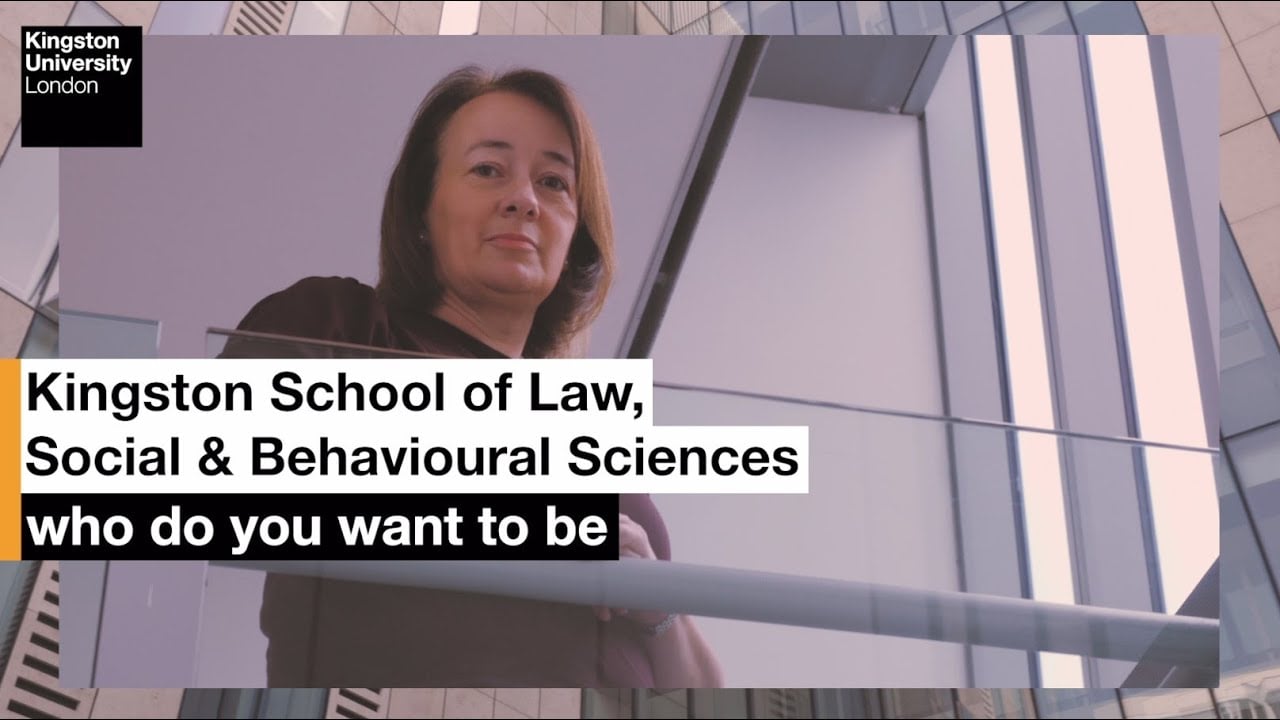
Inside the School of Law, Social and Behavioural Sciences
Hear from current students, graduates and our academics as they talk about what it's like to study in the School of Law, Social and Behavioural Sciences.
Career opportunities
Graduates will be prepared for roles across criminal justice, public policy, security and digital governance.
Potential career paths include:
- criminal justice data or policy analyst
- AI strategy or digital transformation manager
- crime intelligence analyst
- public sector policy adviser
- security and justice technology consultant.
As governments and organisations face the growth of crime and harm in the digital space and expand their use of AI in policing, security and justice systems, demand for professionals who understand both technology and criminal justice policy continues to grow.
Fees and funding
Funding support for postgraduate students
If you are a UK student living in England and under 60, you can apply for a loan to study for a postgraduate degree. Find out more through the government's website.

Scholarships and bursaries
Interested in studying this course at Kingston? The following funding support is available:

Course changes and regulations
The information on this page reflects the currently intended course structure and module details. To improve your student experience and the quality of your degree, we may review and change the material information of this course. Find out more about course changes
Specifications for this course are published ahead of each academic year.
Regulations governing this course can be found on our website.

