Robotics MSc
- Engineering, electronics and robotics
- Postgraduate
Our Robotics MSc is an exciting opportunity to develop advanced skills in robotics. Learn how to design, build and program sophisticated robots, while working with cutting-edge electronics.
Please note: this course was previously name Electronics and Robotics MSc. The delivery and content of the course remain the same.

Innovate using advanced robotic systems
Create intelligent and highly capable robotic systems to enhance the ever-changing field.
Prepare for a career in advanced robotics, familiarising yourself with sensors, microcontrollers and actuators.
The Robotics MSc at Kingston University offers an exciting journey into the innovative world of robotics. You’ll explore topics like sensor design, control systems and embedded systems. Gain hands-on experience in programming microcontrollers, designing circuits and testing robotic systems.
By gaining exposure to and simulating advanced robots, you’ll tackle real-world challenges and develop sought-after skills required in the industry. This course opens doors to thriving careers in robotics and autonomous systems across industries like manufacturing, healthcare and transportation. There is already a demand for skilled professionals that continues to grow.
So far, my experience with the MSc in Electronics and Robotics at Kingston University has been fantastic. The lecturers are incredibly supportive and approachable, and the hands-on learning feels much more personal and engaging compared to other universities I’ve experienced.
Inside the Department of Electrical, Electronic and Robotic Engineering
Hear from Head of Department, Dr Kevin Munisami, as he shares insights on the facilities, courses and resources available in the Department of Electrical, Electronic and Robotic Engineering.
Explore our Robotics and AI Laboratory at Kingston University
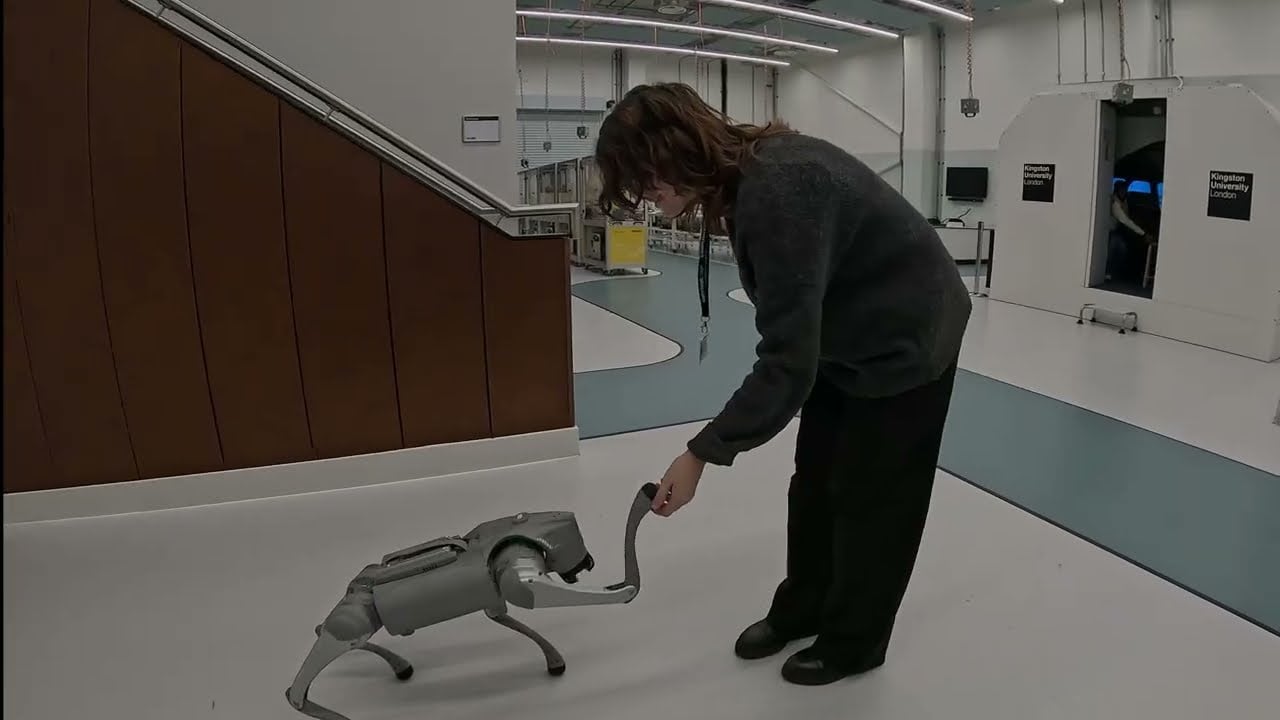
Take a tour of our specialist robotics laboratory and discover the equipment, technologies and practical learning spaces you'll have access to throughout your degree.
Why choose this course
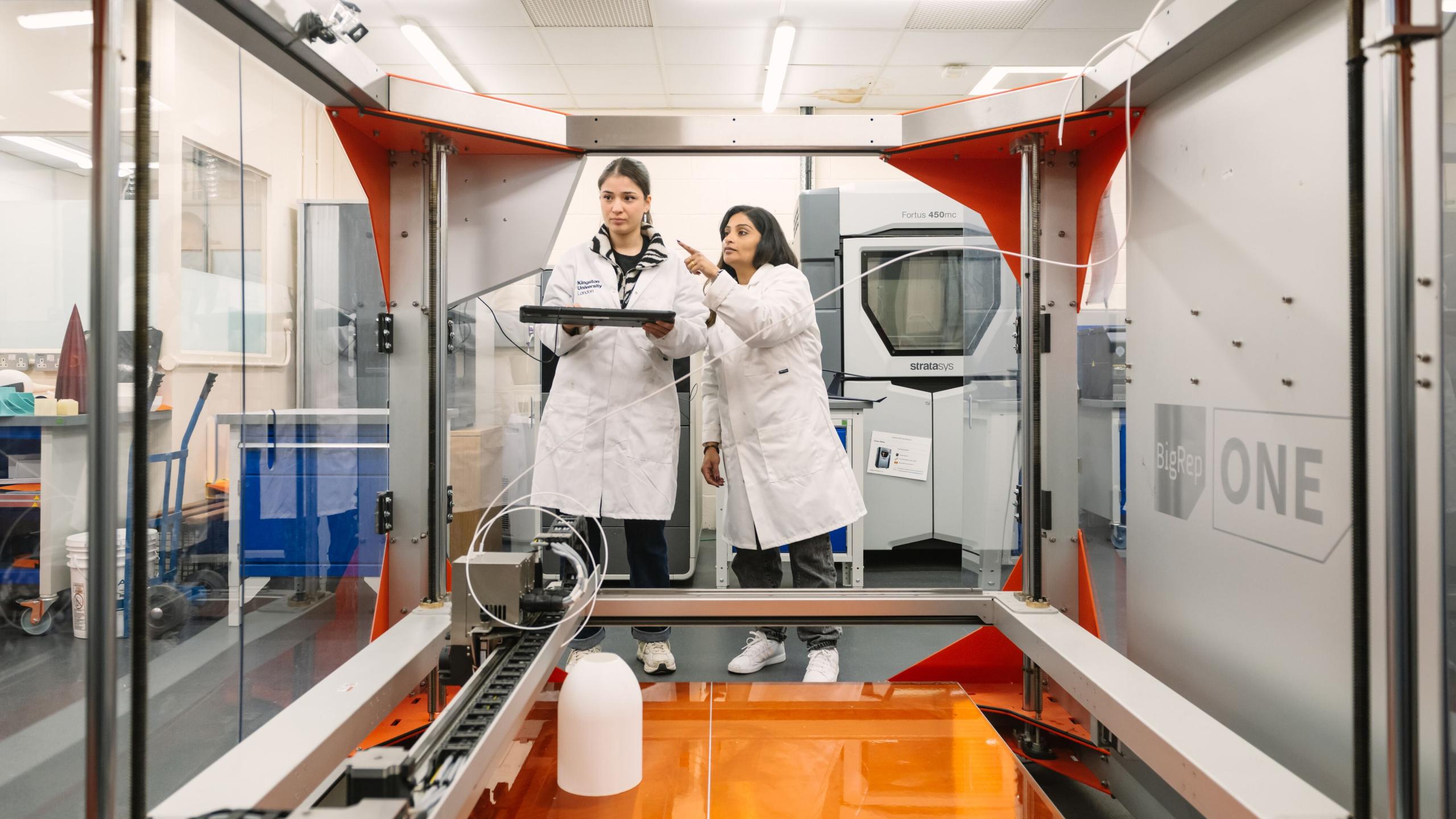
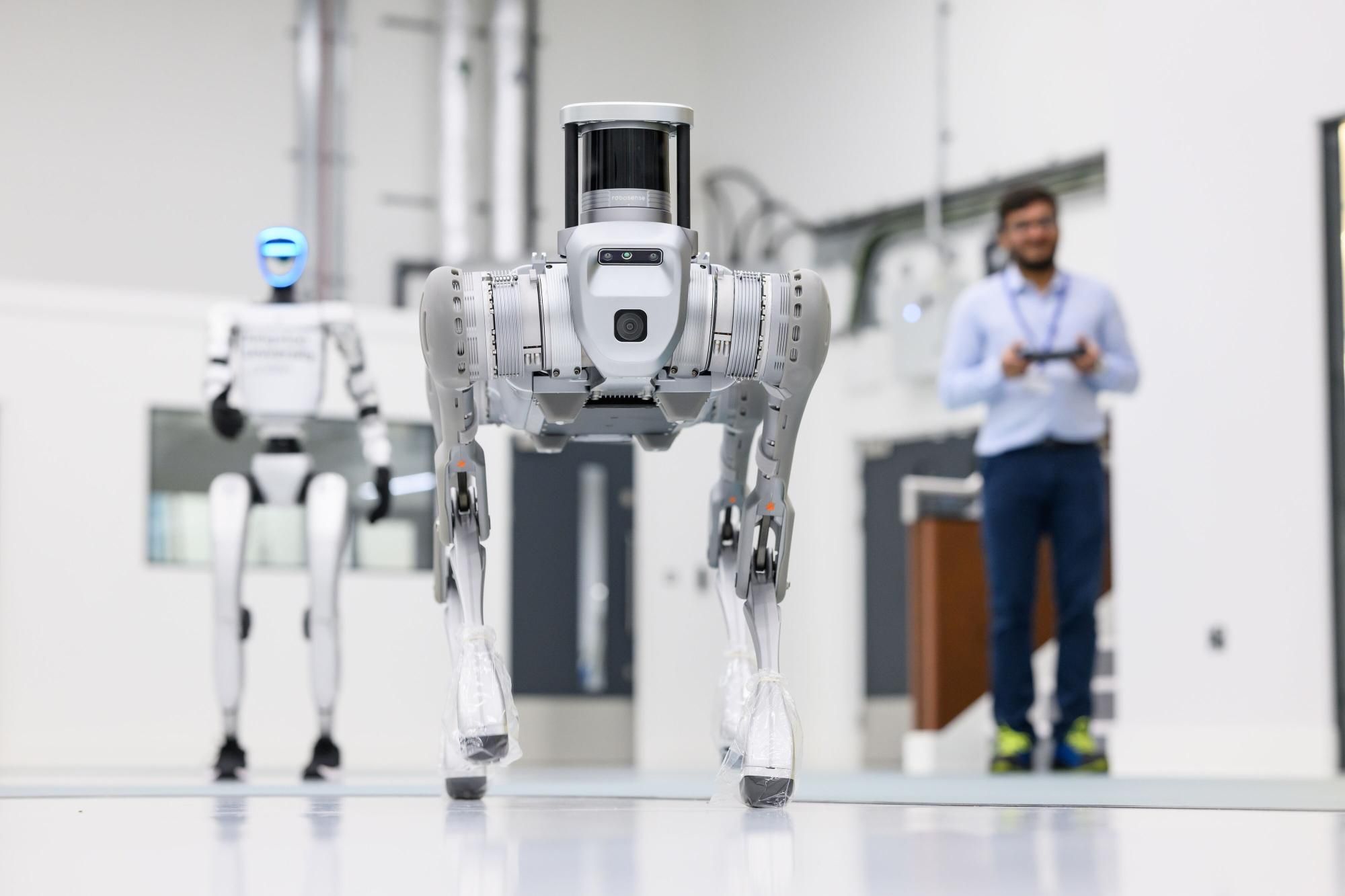
Work on real-world problems whilst gaining hands-on experience in our state-of-the-art robotics laboratories. Work with specialist equipment in the University’s CAVE (Centre for Augmented and Virtual Reality Environments) and a range of industry-standard engineering labs at our Roehampton Vale campus.
Whilst studying Electronics and Robotics MSC, each module is designed to provide you with essential skills when working in the industry. From sought-after expertise in machine learning, to detailed technical skills in industrial robotics, you’ll explore career-focused training.
Work placement scheme
Robotics MSC has the option of a 12-month work placement, offering invaluable industry experience. While securing a placement is the student’s responsibility, the University provides strong support. We regularly hold events to connect you with potential employers.
Placements are competitive but highly rewarding, helping you develop communication skills and build an impressive CV or portfolio. As the work placement is an assessed part of the course, it is covered by a student's Student Route visa.
Course content
Modules and Professional placement
Core modules
Optional modules
Professional placement


Career opportunities
The demand for skilled professionals in a wide range of industries is only set to increase, making this course an excellent choice for students who are interested in pursuing a career in robotics and autonomous systems.
Once you’ve graduated you'll be prepared to work in a range of industries embracing automation and robotics. Common fields that our graduates explore include manufacturing, healthcare, logistics, and transportation. Additionally, you’ll have the skills to contribute to innovative research in the field of robotics.
Teaching and assessment
Fees and funding
Fees for future course years
Part time
If you start your second year straight after Year 1, you will pay the same fee for both years.
If you take a break before starting your second year, or if you repeat modules from Year 1 in Year 2, the fee for your second year may increase.
Funding support for postgraduate students
If you are a UK student living in England and under 60, you can apply for a loan to study for a postgraduate degree. Find out more through the government's website.

Scholarships and bursaries
Interested in studying Robotics MSc at Kingston? The following funding support is available:

Additional course costs
Some courses may require additional costs beyond tuition fees. When planning your studies, you’ll want to consider tuition fees, living costs, and any extra costs that might relate to your area of study.
Your tuition fees include costs for teaching, assessment and university facilities. So your access to libraries, shared IT resources and various student support services are all covered. Accommodation and general living expenses are not covered by these fees.
Where applicable, additional expenses for your course may include:

How to apply
Before you apply
Please read the entry criteria carefully to make sure you meet all requirements before applying.
How to apply online
Use the course selector drop-down at the top of this page to choose your preferred course, start date and mode, then click 'Apply now'. You will be taken to our Online Student Information System (OSIS) where you will complete your application.
If you’re starting a new application, you’ll need to select ‘new user’ and set up a username and password. This will allow you to save and return to your application.
Application deadlines
We encourage you to apply as soon as possible. Applications will close when the course is full.
Information required to confirm your place
If English is not your first language, we will require proof of your proficiency to allow us to confirm your place on the course. This will generally be either an IELTS or TOEFL test certificate, which can be forwarded to us after you have submitted your application. If you do not hold a formal English language qualification, please indicate how you have acquired your proficiency in written and spoken English.
After you have applied
For courses that select on application alone, applicants should normally receive an initial decision or a request for more information within four to six weeks of receipt of their application. Our admissions team will notify you of the decision by email.
Learn more about the postgraduate application process in detail.
Course changes and regulations
The information on this page reflects the currently intended course structure and module details. To improve your student experience and the quality of your degree, we may review and change the material information of this course. Find out more about course changes
Programme Specifications for the course are published ahead of each academic year.
Regulations governing this course can be found on our website.