Science Foundation Year: Sport and Exercise Science
- Sport, exercise and nutrition
- Undergraduate
- Foundation
This Science Foundation Year in Sport and Exercise Science will give you the knowledge, skills and confidence you need to progress your studies towards a Sport and Exercise Science honours degree.

Analyse human performance in sport
Build essential skills for degree-level study
This foundation year helps you prepare for your intended degree, providing you with essential skills for success in Sport and Exercise Science.
You will progress onto one of our three Sport and Exercise courses:
- Sport and Exercise Science BSc (Hons)
- Sport and Exercise Science (Coaching and Physical Education) BSc (Hons)
- Sport and Exercise Science (Nutrition) BSc (Hons)
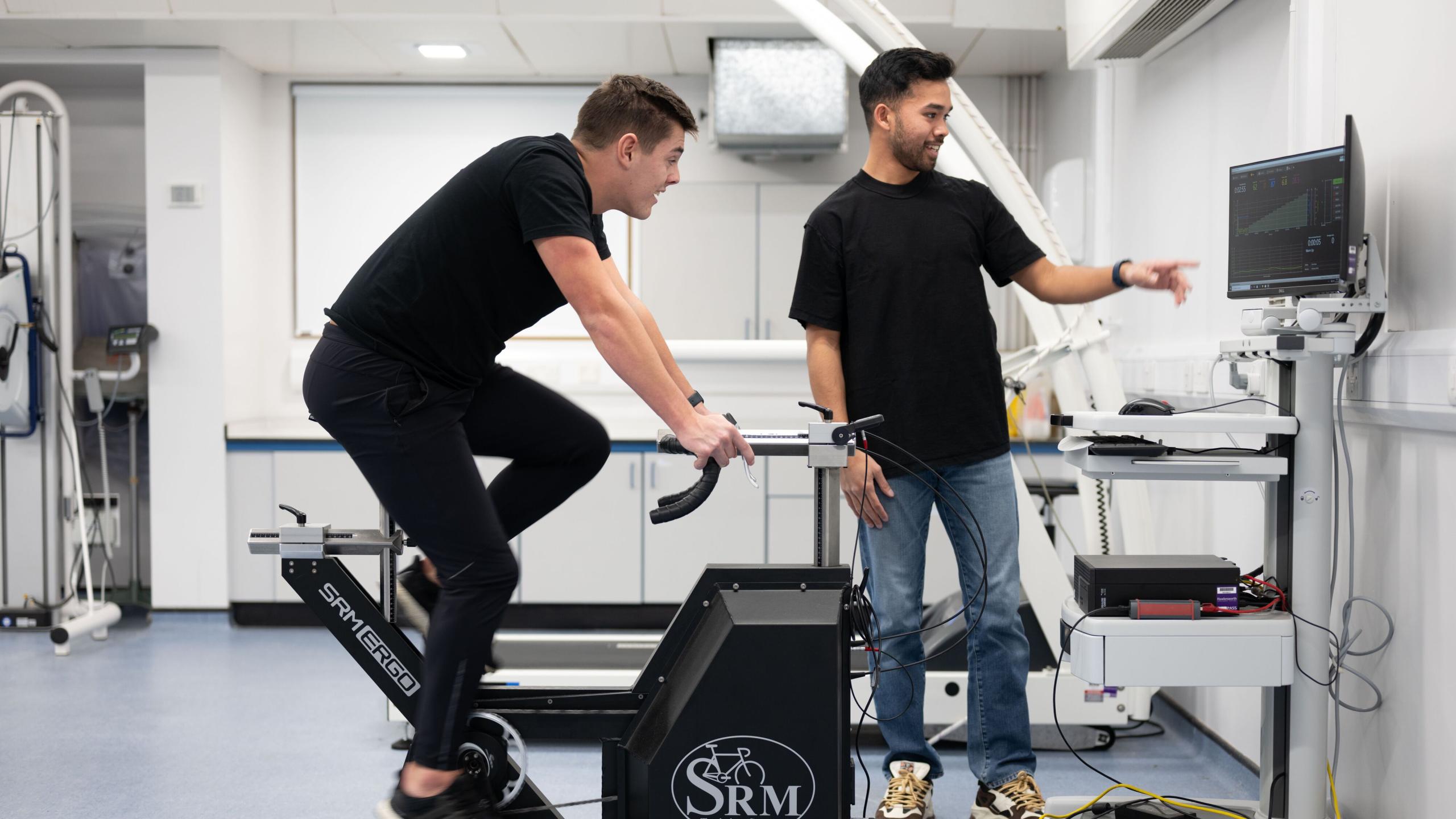
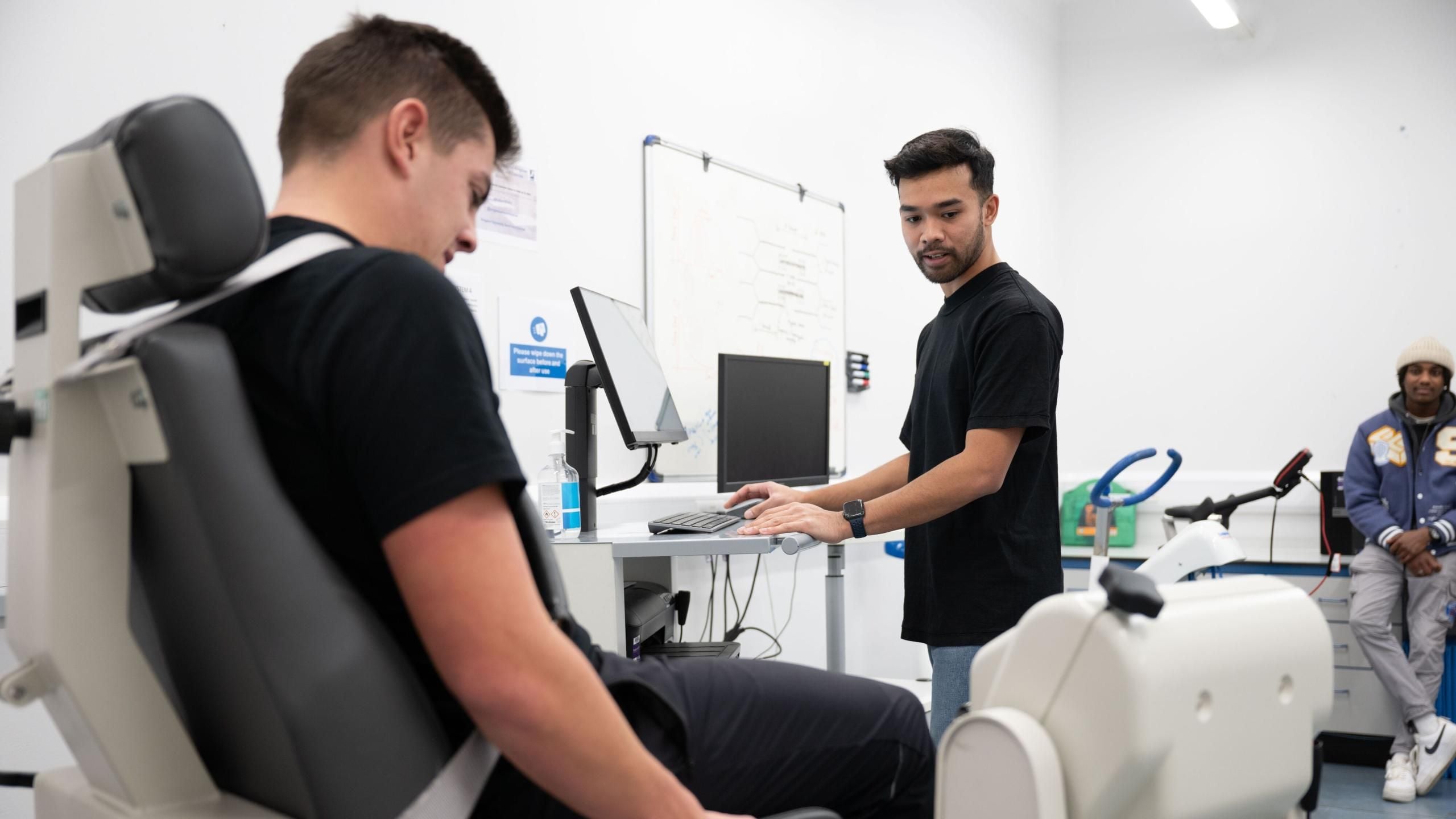
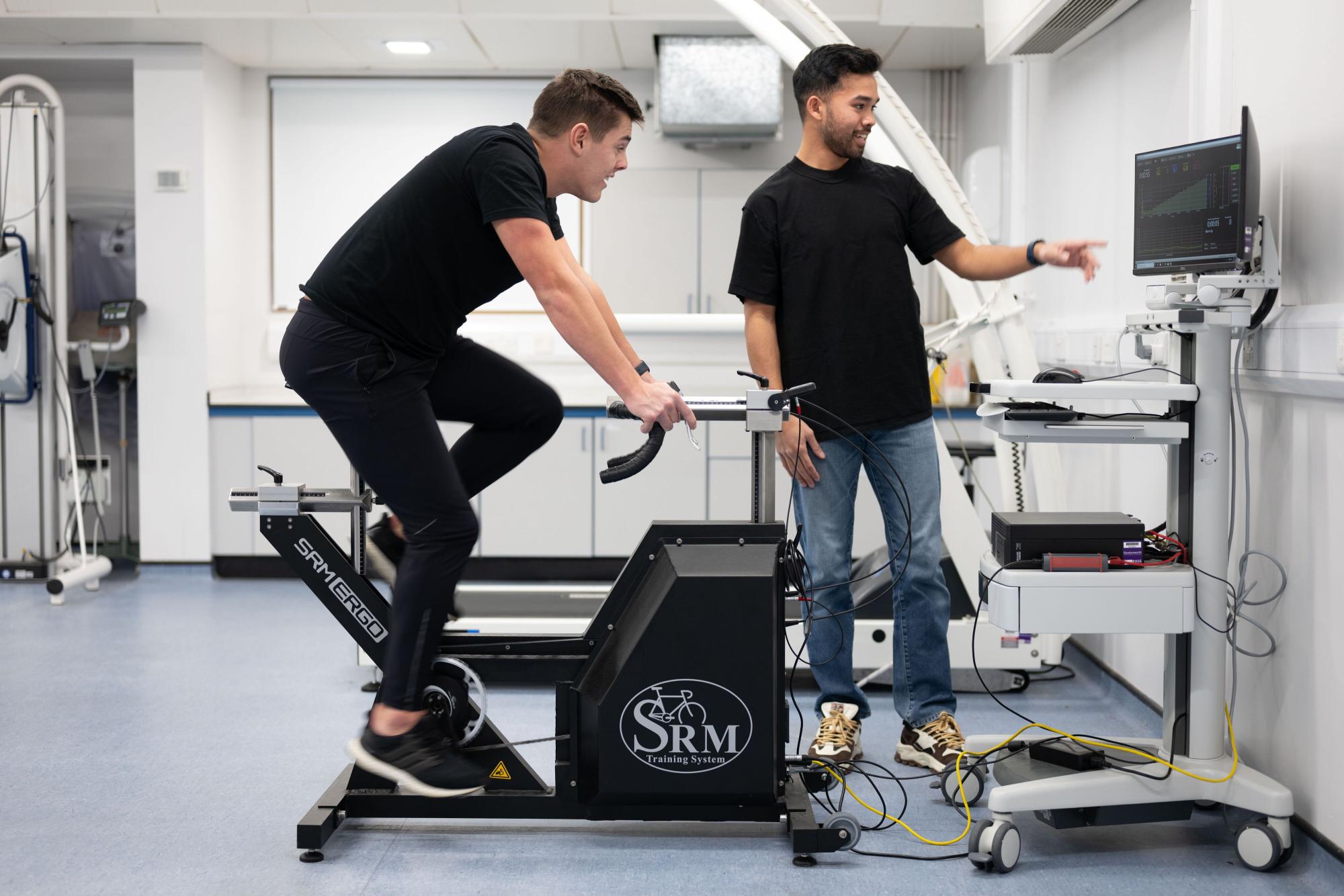
You'll gain extensive practical experience in brand-new laboratories, recently opened as part of a £6.8 million investment.
You will develop your problem-solving skills through project-based learning as applied to real-world scenarios.
Sport & exercise science at Kingston University
Learn how our students are turning their passion for sport and exercise into a career with our sport and exercise courses.

Why choose this course
We recognise that there are many routes to success at degree level. Our Science foundation year: Sport and Exercise Science pathway specifically caters for those who lack the traditional entry qualifications to join the first year of a Sport and Exercise Science degree.
You are likely to be someone with non-science-based qualifications or a mature student, with skills and experience from employment, who wants to return to education.
The foundation year has the benefit of being part of the extended degree. It gives you access to a range of activities and staff on the degree programme that you will continue your studies on.
The Science foundation year: Sport and Exercise Science pathway is taught at the University and you'll have access to all its facilities. Subject materials and teaching are tailored to degrees at Kingston and you'll develop practical, technical and communication skills, and apply knowledge to real-life problems.
What’s more, Kingston’s TEF Gold award recognises our commitment to teaching excellence, ensuring you receive quality support throughout your studies.
Apply for this course
Select your chosen degree programme and apply for the including foundation year course. The corresponding UCAS codes are listed below.
- Sport and Exercise Science BSc (Hons)
UCAS code: C608 - Sport and Exercise Science (Coaching and Physical Education) BSc (Hons)
UCAS code: CX6D - Sport and Exercise Science (Nutrition) BSc (Hons)
UCAS code: CB64
Course content
The foundation year provides a supportive environment in which you can build your confidence, whilst developing the academic and practical skills alongside the subject knowledge to continue on the degree of your choice.
Foundation year
Core modules
What career opportunities does this course offer?
Success on the course will qualify a student for progression to Year 1 of a bachelors degree at Kingston University. Career opportunities are dependent upon the chosen degree route and are included on the relevant course page.
Future Skills
Our Future Skills programme is embedded within all our undergraduate courses and throughout the whole Kingston experience. These skills will help you to become a future-proof graduate by equipping you with the skills most valued by employers, such as problem-solving, digital competency and adaptability.
As you progress through your degree, you'll learn to navigate, explore and apply these graduate skills. You’ll also understand how to demonstrate and articulate to employers how these future skills give you the edge.

Teaching and assessment
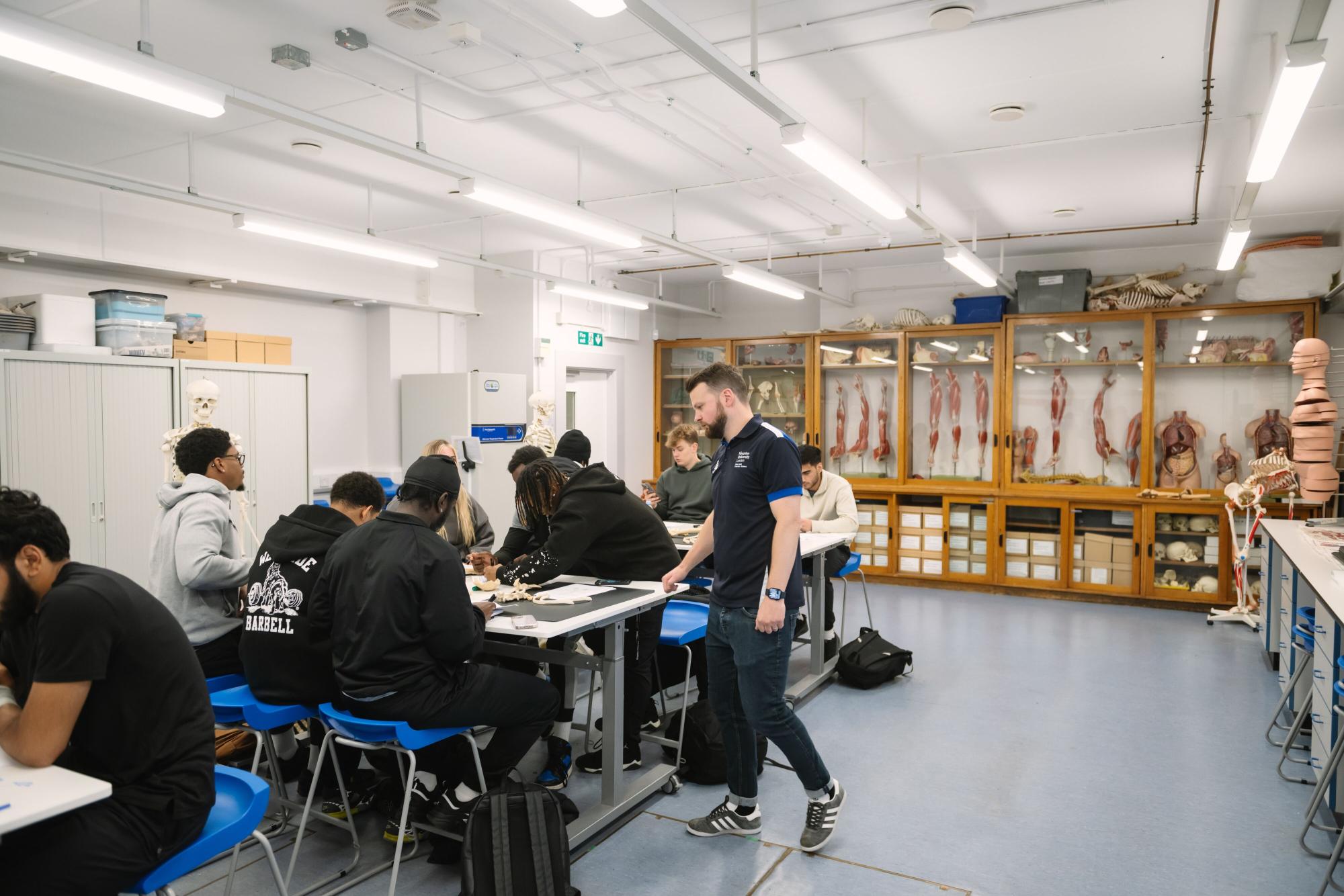
Teaching uses a variety of approaches including lectures, seminars and tutorials, workshops and laboratory practical work. Sessions are designed to be active, involving students undertaking small projects and working in groups to solve problems. The use of technology to enhance learning is an important way in which students are supported. Particular emphasis is placed on developing study skills that will help mature applicants who are returning to education and those from non-science backgrounds.
Assessment includes a mixture of coursework and examination. Coursework may take the form of report writing, practical data reports, case studies and presentations with emphasis on real world problems. Examinations take place at the end of the year, giving you the opportunity to settle back into education and the course. The style of assessment provides a natural progression to Year 1 of your chosen degree.
Fees and funding
Additional course costs
Depending on the programme of study, there may be extra costs that are not covered by tuition fees which students will need to consider when planning their studies. Tuition fees cover the cost of your teaching, assessment and operating University facilities such as the library, access to shared IT equipment and other support services. Accommodation and living costs are not included in our fees.
Where a course has additional expenses, we make every effort to highlight them. These may include optional field trips, materials (e.g. art, design, engineering), security checks such as DBS, uniforms, specialist clothing or professional memberships.
Facilities
There is a wide range of facilities for practical work at our Penrhyn Road campus, where this course is based. You will have access to a modern environment with the latest equipment, including:
- the £9.8 million Eadweard Muybridge building with state-of the art laboratories
- an exercise physiology and biomechanics lab
- modern applied biology and chemistry laboratories specialist equipment, such as electron microscopes and spectrometers
- computing laboratories and a team of IT technicians to offer assistance
- a newly refurbished state-of-the-art nutrition kitchen.
The libraries offer:
- subject libraries, plus a free inter-library loan scheme to other libraries in the Greater London area
- online database subscriptions
- a growing selection of resource material.

What are the facilities like?
When you join Kingston University, you will have access to a wide range of facilities and resources designed to support your studies. Use the virtual tour below to explore some of the facilities and learning environments that students within this subject area may experience during their studies.
Course changes and regulations
The information on this page reflects the currently intended course structure and module details. To improve your student experience and the quality of your degree, we may review and change the material information of this course. Find out more about course changes
Specifications for this course are published ahead of each academic year.
Regulations governing this course can be found on our website.