Electronic Design Engineering MEng/BEng (Hons)
- Engineering: mechanical and electronic
- Undergraduate
Light the spark for your future career with the Electronic Design Engineering MEng/BEng (Hons) degree from Kingston University. Engage in a hands-on and project-based learning experience that will build you a solid foundation in the core principles of electronic products engineering.
Please note: this course was previously known as Electronic Product Engineering MEng/BEng (Hons). The delivery and content of the course remain the same.

Find your place in the electronic products development cycle with our industry-standard equipment
Apply cutting-edge techniques to tackle real-world electronic product development challenges.
Gain invaluable practical experience while deepening your understanding of the latest industry trends and innovations. You will graduate with the knowledge and skills sought after by the fast-paced industrial, commercial and domestic sectors.
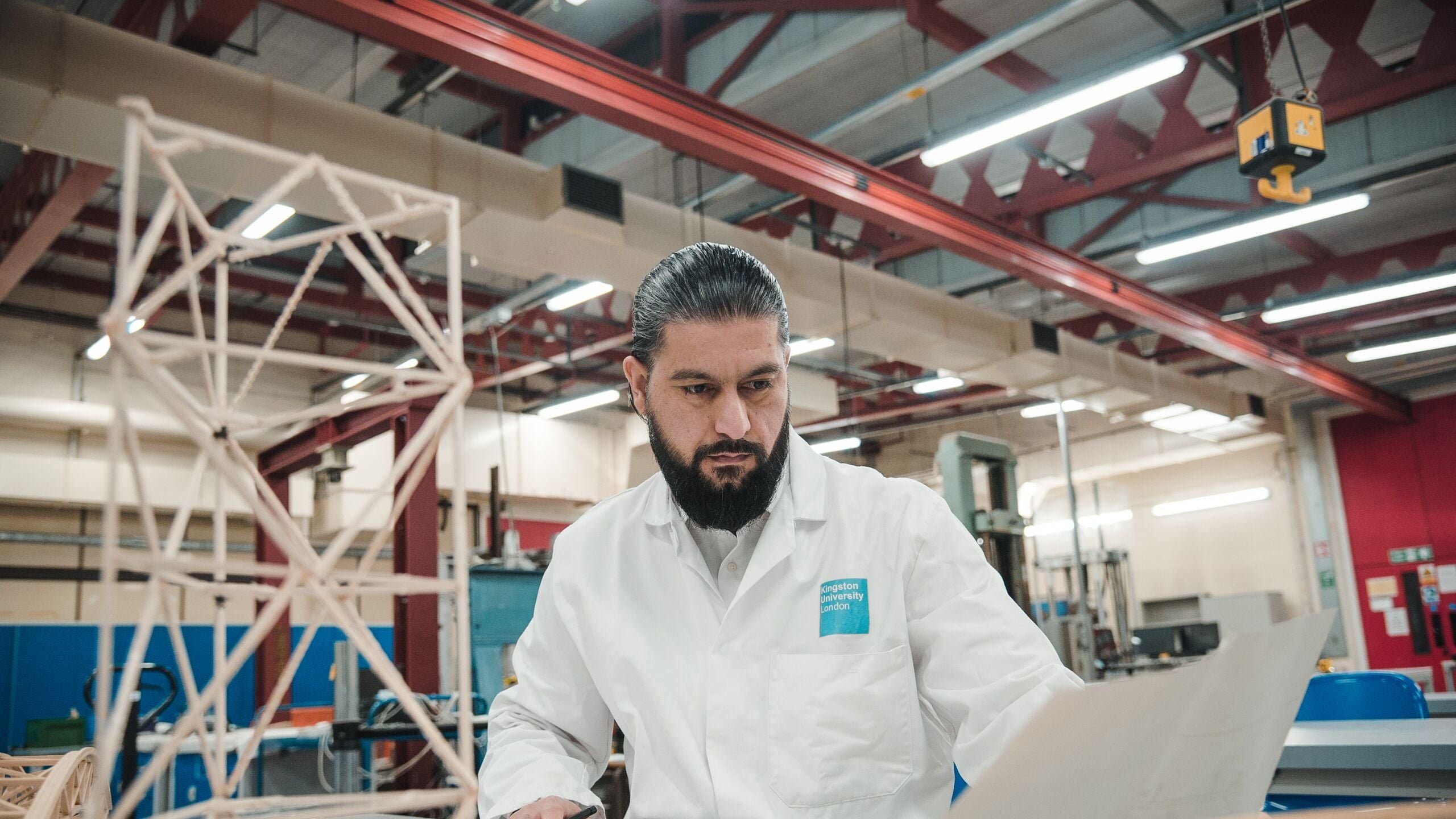
On this course, you will be able to take full advantage of the wide range of facilities available for practical work at our Roehampton Vale campus.
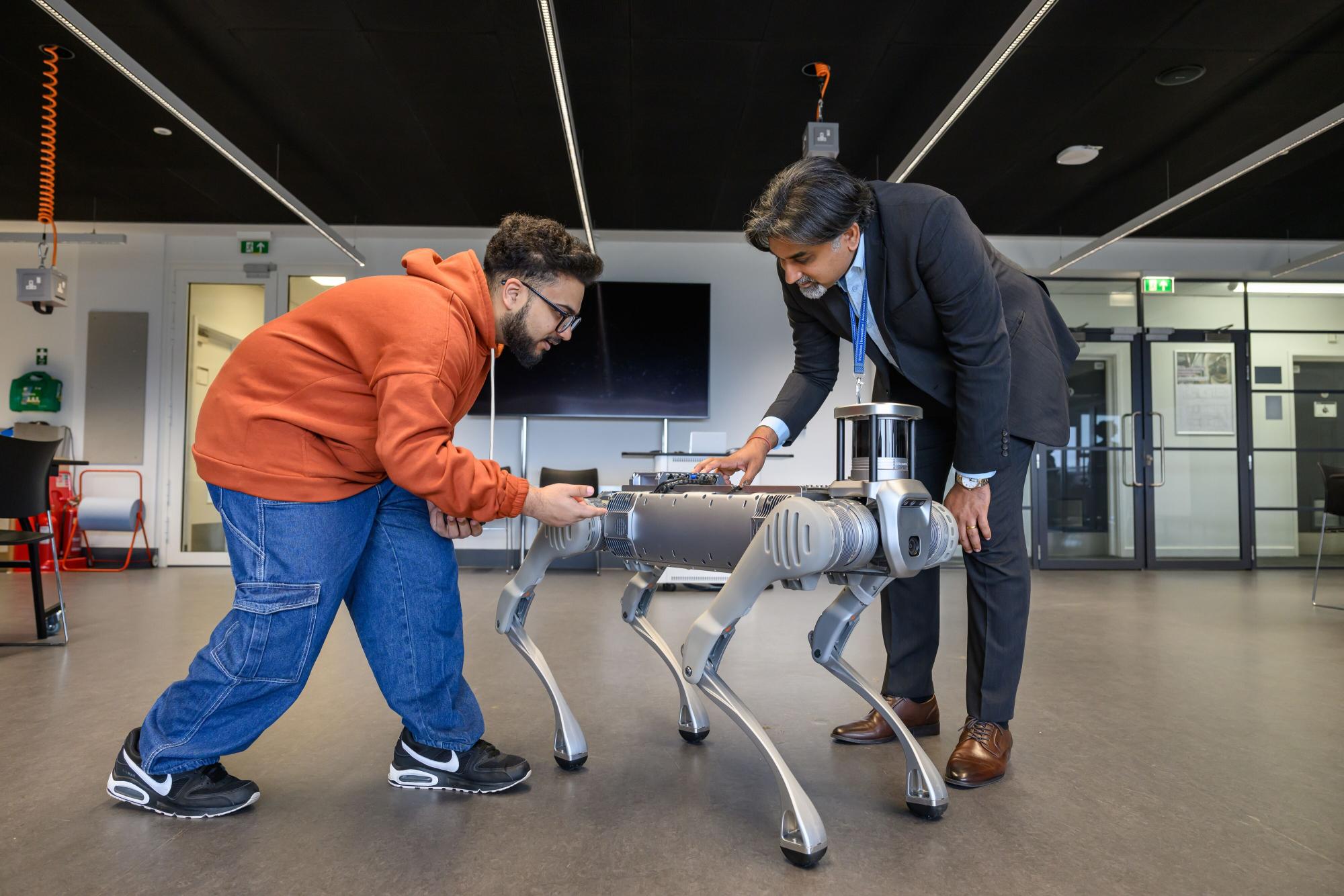
Our applied approach to teaching is supported by our dedicated laboratories. These include state-of-the-art facilities for rapid prototyping and manufacturing, a fully-equipped materials laboratory, and a modern electronics and robotics lab.
Other technology and industry-standard equipment you will have access to includes:
- electronics and robotics labs
- 3D design studio and workshop
- mechanical engineering workshop
- rolling roads
- automotive testing facilities
- a Lotus Exige
- cars and motorcycles built by engineering students
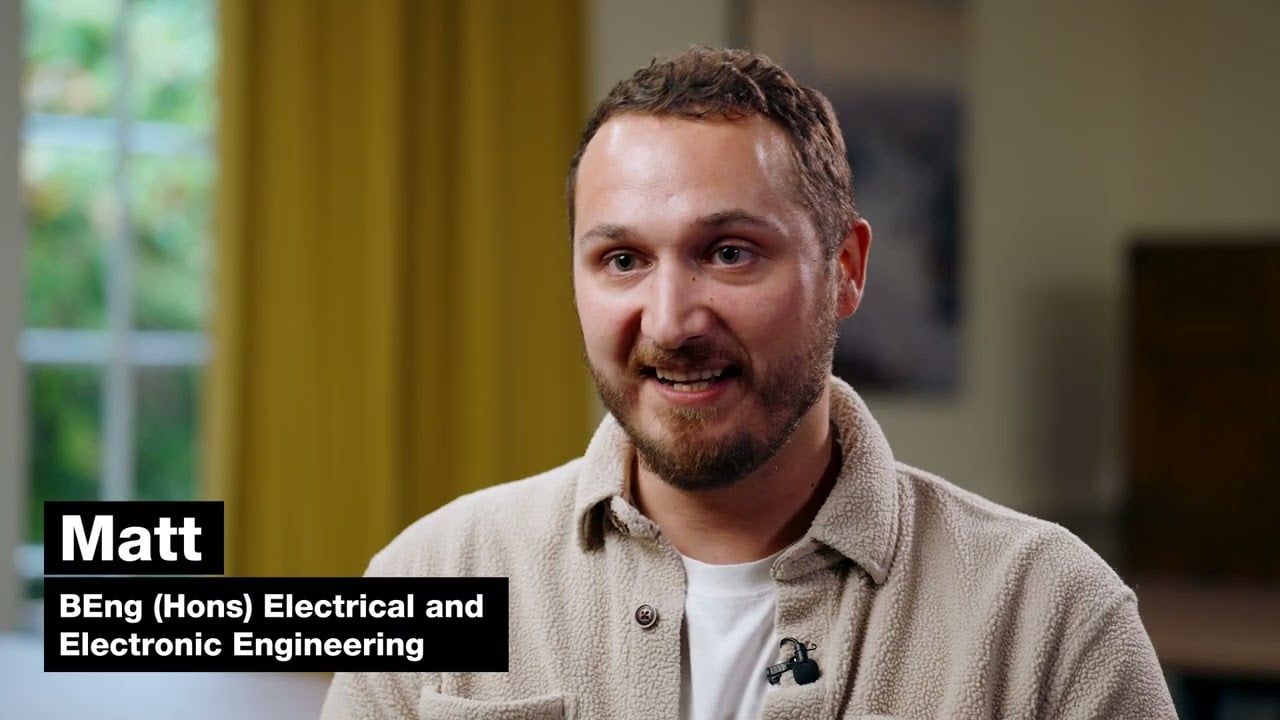
Engineering at Kingston University
Follow along as our students talk through the skills they're developing to design their future careers.
Why choose this course
Immerse yourself in the dynamic world of Electronic Design Engineering, where the fusion of artificial intelligence (AI) creates ground-breaking opportunities to address society's most pressing challenges. As an Electronic Design Engineering student, you will gain the expertise and skills required to excel in the entire electronic product development cycle, making a meaningful impact on the world around you.
Our hand-on course will equip you with the Future Skills needed to thrive in the rapidly evolving technological landscape. You’ll discover how to harness the power of artificial intelligence and other state-of-the-art technologies to design and develop intelligent electronic systems. As a result, you will learn how to shape the future with innovative solutions that have a positive societal impact.
You’ll also dive into a wide range of applications other than AI throughout the electronic product development cycle. These include communication systems, control systems, power electronics, embedded systems, signal processing, robotics, instrumentation, electric vehicles and renewable energy.
The course curriculum embraces and integrates the UN Sustainable Development Goals to actively contribute to a sustainable future for all. Meaning you will learn to incorporate them into your professional work and make a meaningful difference in your future career.
Taught by experienced academics from diverse backgrounds, you will engage with people from diverse cultural, social and professional backgrounds, enabling you to foster a deeper appreciation for diversity and hone your ability to navigate varied perspectives and nurture an inclusive mindset.
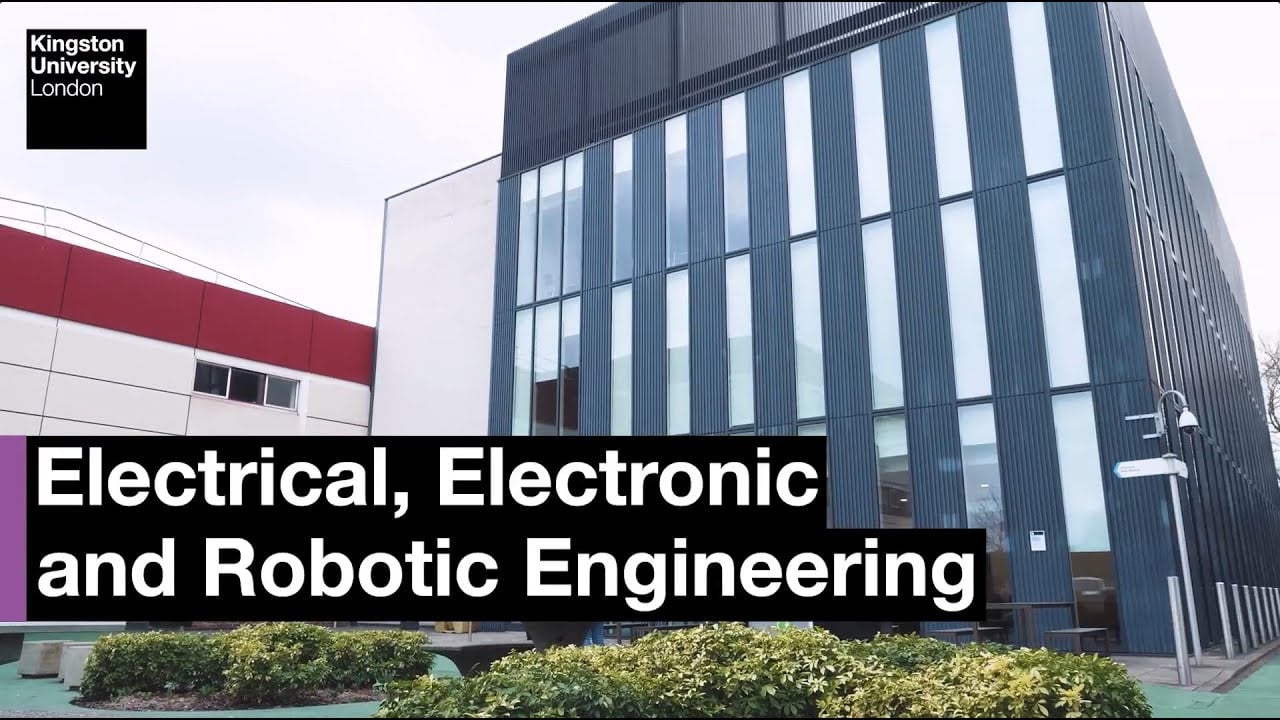
Inside the Department of Electrical, Electronic and Robotic Engineering
Hear from Head of Department, Dr Kevin Munisami, as he shares insights on the facilities, courses and resources available in the Department of Electrical, Electronic and Robotic Engineering.
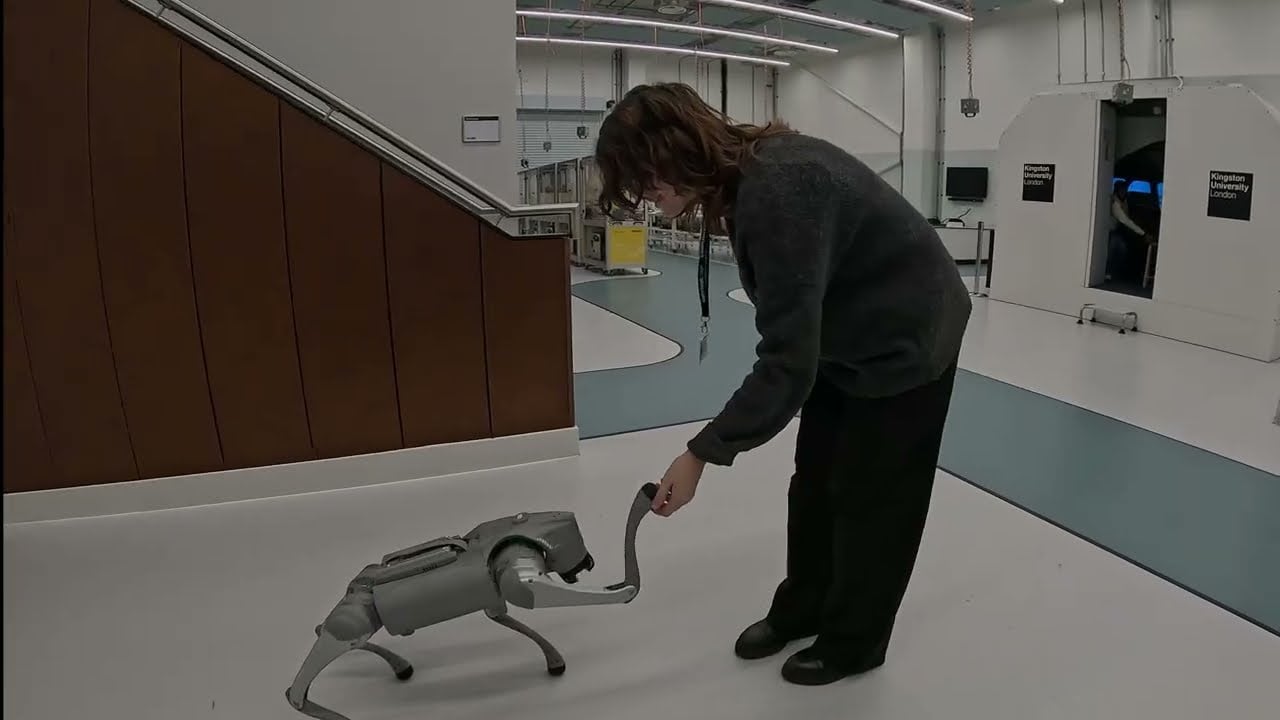
Explore our Robotics and AI Laboratory at Kingston University
Take a tour of our specialist robotics laboratory and discover the equipment, technologies and practical learning spaces you'll have access to throughout your degree.
Course content
Year 1
Students will establish a strong foundation in mathematics, physics circuits, and programming, enabling them to understand the fundamental principles of electronic products engineering.
Core modules
Year 2
Building upon the fundamental principles of electronic products engineering, students will delve deeper into areas such as electronic devices, digital systems and embedded systems. They will gain knowledge in hardware design, firmware development and system integration.
Core modules
Year 3
Students will explore advanced topics including analogue and mixed-signal design, communication protocols and microcontroller applications. They will develop skills in product development, testing and quality assurance. MEng students will continue to deepen their knowledge in areas such as computer-aided design and electronic product design.
Core modules
Year 4 - MEng only
The final year of the MEng course focuses on synthesising knowledge and skills acquired throughout the programme. Students will engage in project work, advanced circuit design and specialisation modules such as IoT applications, consumer electronics or product innovation. They will gain practical experience in designing and optimising electronic products for real-world applications.
Core modules
Extended degree with foundation year
If you would like to study one of our engineering degrees at Kingston University but are not yet ready for Year 1 of an undergraduate course, a foundation year is ideal.
International students: direct application
Are you an international student? Have you decided Kingston is the place for you? If so, you can apply for this course directly, rather than having to go through UCAS.

What career opportunities does this course offer?
This course opens up a wealth of career paths. It will position you at the forefront of the Fourth Industrial Revolution to capture the exciting opportunities that this rapidly evolving landscape presents.
Future Skills
Our Future Skills programme is embedded within all our undergraduate courses and throughout the whole Kingston experience. These skills will help you to become a future-proof graduate by equipping you with the skills most valued by employers, such as problem-solving, digital competency and adaptability.
As you progress through your degree, you'll learn to navigate, explore and apply these graduate skills. You’ll also understand how to demonstrate and articulate to employers how these future skills give you the edge.

Teaching and assessment
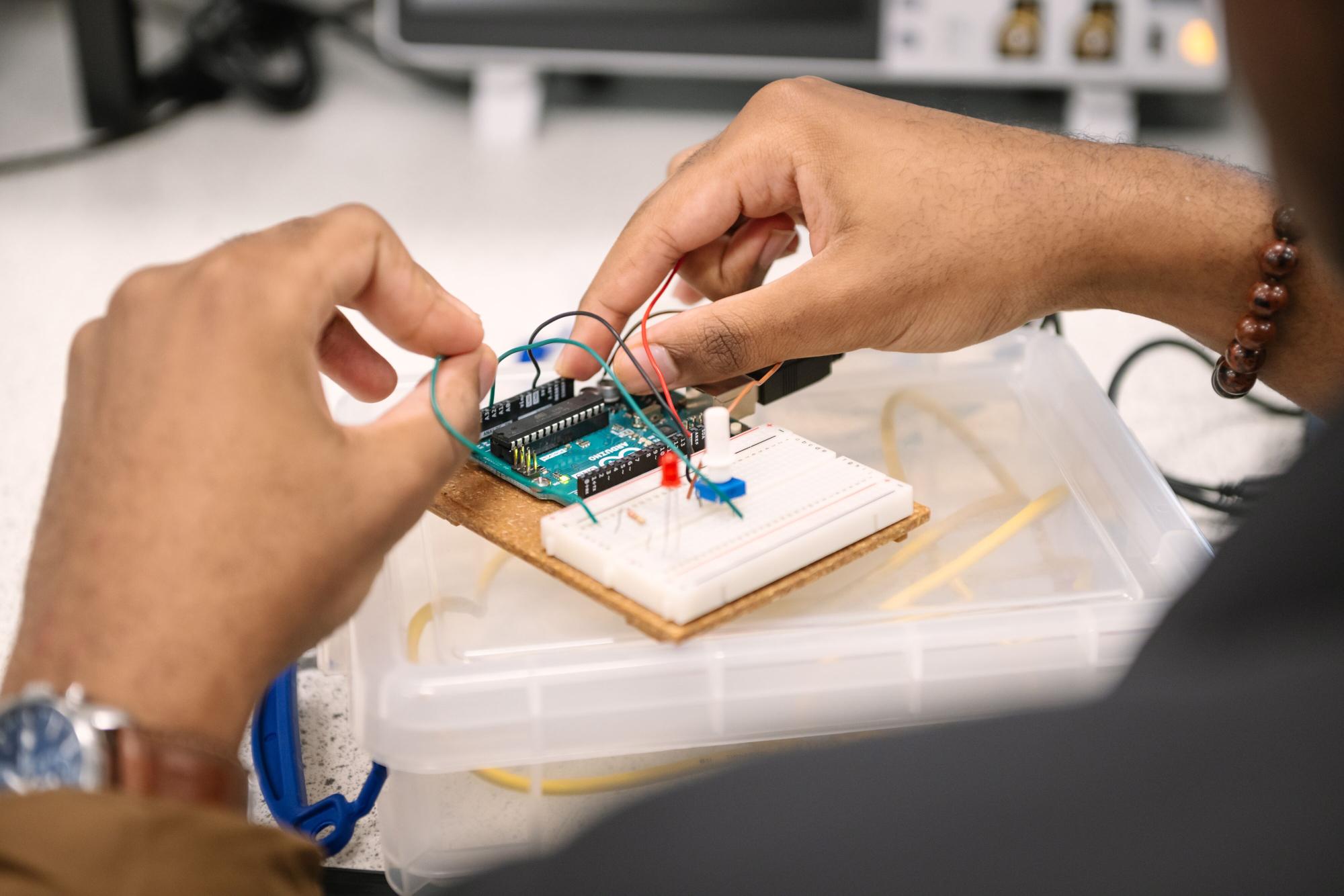
Scheduled learning and teaching on this course includes timetabled activities including lectures, seminars and small group tutorials. It may also include placements, project work, workshops, workshops in computer labs, and laboratory workshops.
Fees and funding
Additional course costs
Some courses may require additional costs beyond tuition fees. When planning your studies, you’ll want to consider tuition fees, living costs, and any extra costs that might relate to your area of study.
Your tuition fees include costs for teaching, assessment and University facilities. So your access to libraries, shared IT resources and various student support services are all covered. Accommodation and general living expenses are not covered by these fees.
Where applicable, additional expenses for your course may include:
Scholarships and bursaries
For students interested in studying this course at Kingston, there are several opportunities to seek funding support.

What are the facilities like?
When you join Kingston University, you will have access to a wide range of facilities and resources designed to support your studies. Use the virtual tour below to explore some of the facilities and learning environments that students within this subject area may experience during their studies.
Course changes and regulations
The information on this page reflects the currently intended course structure and module details. To improve your student experience and the quality of your degree, we may review and change the material information of this course. Find out more about course changes
Specifications for this course are published ahead of each academic year.
Regulations governing this course can be found on our website.




Key information
The scrolling banner below displays some key factual data about this course (including different course combinations or delivery modes of this course where relevant).