Cancer Biology MSc
- Biomedical science, cancer biology and microbiology
- Postgraduate
Do you want to dedicate your working life to understanding the biological processes that cause cancer? If so, the Cancer Biology MSc from Kingston University could be the right course for you.

Acquire the skills and knowledge to join the fight against cancer
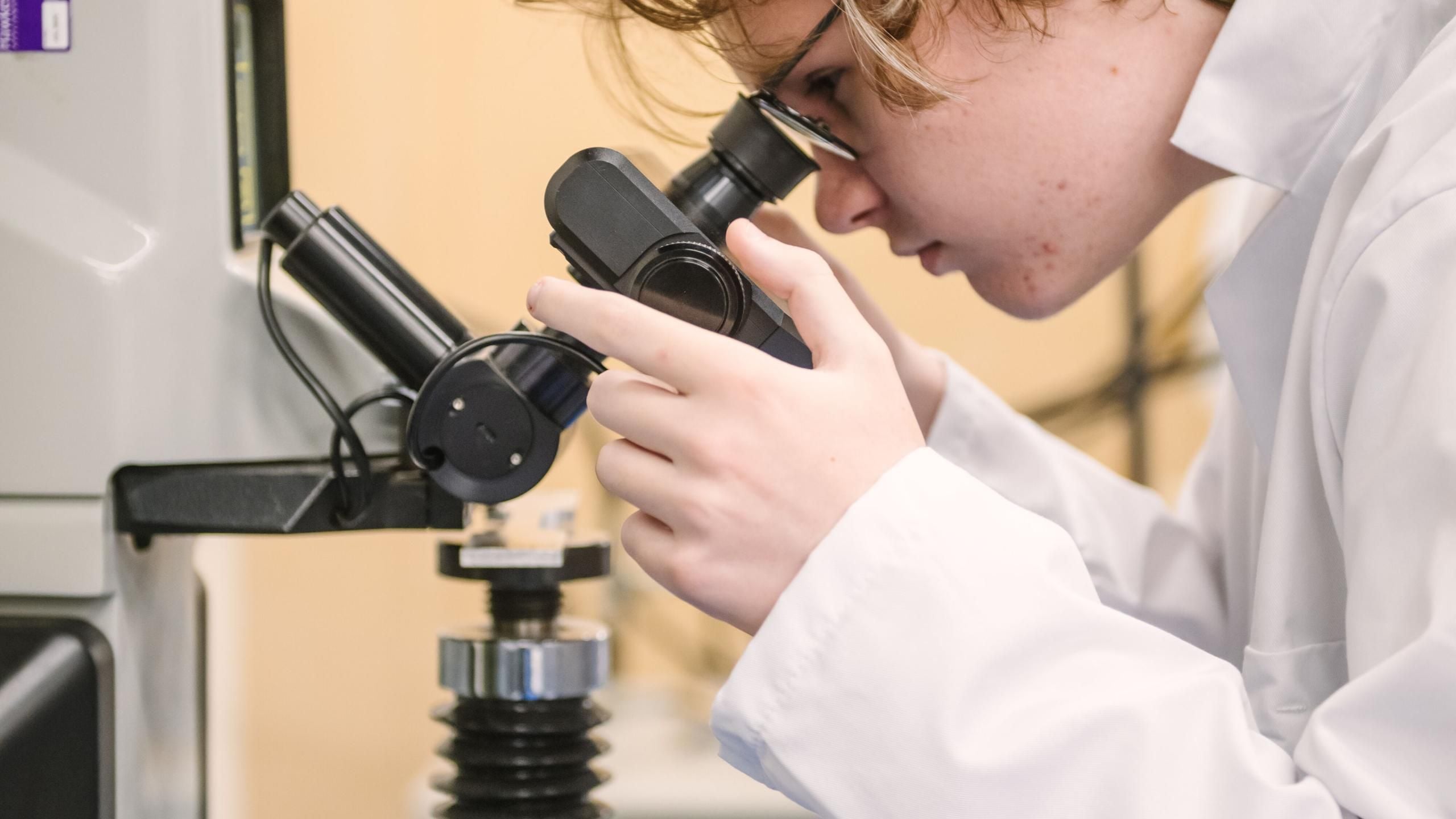
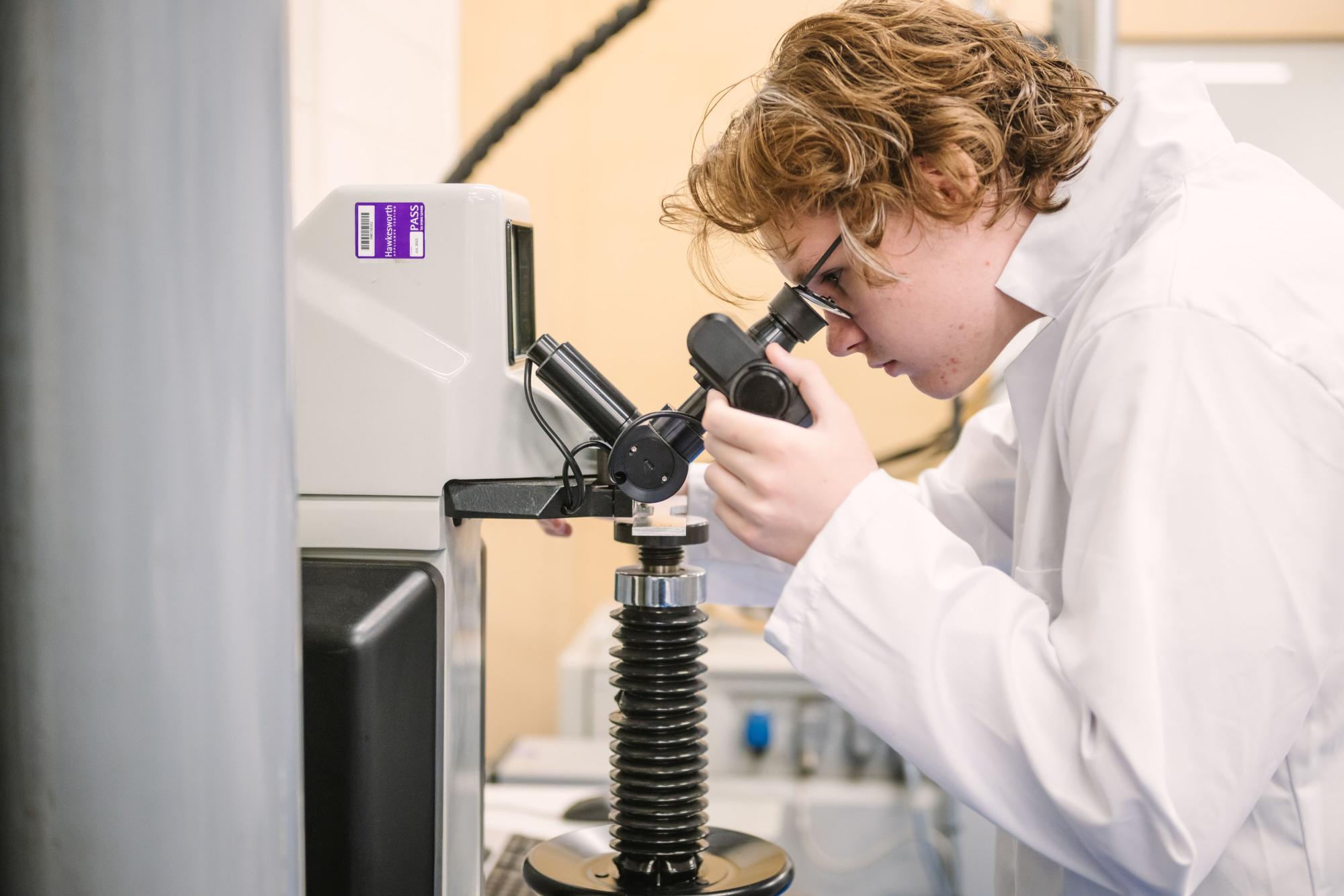
Gain valuable hands-on experience in our laboratories and become familiar with specialist equipment.
This Cancer Biology course will provide you with an understanding of the disease processes involved in malignancy and the scientific rationale for therapeutic options.
You will be trained in scientific research methods and learn the techniques used in cell and molecular biology and pathology. You will study the biology of disease, tumour biology, immunology, molecular oncology, haematological malignancy, as well as diagnostic and therapeutic techniques for cancer.
In addition to gaining an understanding of core principles in medical science, you will gain in-depth knowledge of oncology topics and their relationship to other medical disciplines.
At the end of the course, you will undertake a research project of your choosing. This can be carried out with one of our life science research groups, or in your workplace, and can act as an excellent selling point when looking for employment after graduation.
Having completed my BSc degree at Kingston University, I was eager to further my studies with the Cancer Biology MSc. It was ideal for me, since it provided a great insight into the biological world of cancer and expanded my knowledge in disease progression and patient survival.
Why choose this course
On our Cancer Biology MSc, you'll have access to a range of facilities at our Penrhyn Road campus. These include:
- Tissue culture laboratories
- A histology laboratory
- Molecular biology laboratories
- Cell biology laboratories
You will also have the chance to use faculty-based laboratories. These include analytical chemistry facilities and instrumentation, computing and data analysis resources.
Specialist equipment includes:
- RT-PCR and DNA manipulation facilities
- State-of-the-art image analysis, including scanning electron and confocal microscopy equipment
- Histology equipment
- Staining and protein analysis equipment
Access to this type of highly specialised scientific equipment ensures you get hands-on-experience of current research techniques, preparing them for further study and research work.
In addition, many of our staff in the Faculty are research active. This ensures they are in touch with the latest thinking and bring best practice to your studies.
Science research is organised into several research areas. The Biomedical and Pharmaceutical Sciences Research Group is an interdisciplinary group and focuses on the interaction of chemistry and life sciences with medicine. It is divided into three main sub-areas:
- Therapy – including immunology, stem cell research and allergenic effects of foods
- Parasitology – including parasite transmission, drug responses and host cellular immune responses
- Pharmaceutical Sciences – including the use and understanding of free-radical reactions and the use of anti-cancer drugs/new bioactive natural products
Accreditations
This course is accredited by the Institute of Biomedical Science (IBMS). Graduates can apply to the IBMS for consideration for admission as Members of the Institute.

Course content
You will be trained in science research methods and learn about the techniques used in molecular pathology and biology. It links your academic knowledge to practical application, particularly in relation to modern diagnostic methods. You will study the biology of disease, tumour biology, immunology, molecular oncology, haematological malignancy, plus diagnostic and therapeutic techniques for cancer.
In addition to developing a comprehensive understanding of the principles and practice of core topics in current areas of medical science, you will gain an in-depth knowledge of oncology topics and their relationship to other medical disciplines. You will also learn how to plan, carry out and report on a piece of independent scientific research.
For a student to go on placement they are required to pass every module first time with no reassessments. It is the responsibility of individual students to find a suitable paid placement. Students will be supported by our dedicated placement team in securing this opportunity.
Modules
Core modules
Optional placement year
Module

Career opportunities
Graduates from this course have gone on to work in a wide variety of careers in medicine, hospital laboratories, commercial laboratories and cancer research.
Work placement scheme
This course, like many postgraduate courses at Kingston University, enables students to integrate a 12-month work placement into their course. You are responsible for finding and securing your own professional placement, which can be highly competitive but also incredibly rewarding. It is very important to prepare yourself if this is the route you wish to take. Employers look for great written and oral communication skills and an excellent CV/portfolio. As the work placement is an assessed part of the course, it is covered by a Student Route visa.
We work with a variety of employers such as hospitals, community health care, NHS foundation trusts, academic publishers, and pharmaceutical companies. Many of which also offer professional experience opportunities for the students on this course.
Teaching and assessment
Throughout my time here I have become part of the Kingston University family. The faculty staff have helped me with their guidance and feedback. I really enjoyed modules like Molecular Oncology and Cancer Diagnosis & Therapy, which focused on the molecular aspects of cancer.
Fees and funding
Fees for future course years
Part time
If you start your second year straight after Year 1, you will pay the same fee for both years.
If you take a break before starting your second year, or if you repeat modules from Year 1 in Year 2, the fee for your second year may increase.
Funding support for postgraduate students
If you are a UK student living in England and under 60, you can apply for a loan to study for a postgraduate degree. Find out more through the government's website.

Scholarships and bursaries
For students interested in studying Cancer Biology MSc at Kingston, there are several opportunities to seek funding support:

Additional course costs
Some courses may require additional costs beyond tuition fees. When planning your studies, you’ll want to consider tuition fees, living costs, and any extra costs that might relate to your area of study.
Your tuition fees include costs for teaching, assessment and university facilities. So your access to libraries, shared IT resources and various student support services are all covered. Accommodation and general living expenses are not covered by these fees.
Where applicable, additional expenses for your course may include:

Apply for this course
Before you apply
Please read the entry criteria carefully to make sure you meet all requirements before applying.
How to apply online
Use the course selector drop-down at the top of this page to choose your preferred course, start date and mode, then click 'Apply now'. You will be taken to our Online Student Information System (OSIS) where you will complete your application.
If you’re starting a new application, you’ll need to select ‘new user’ and set up a username and password. This will allow you to save and return to your application.
Application deadlines
We encourage you to apply as soon as possible. Applications will close when the course is full.
Information required to confirm your place
If English is not your first language, we will require proof of your proficiency to allow us to confirm your place on the course. This will generally be either an IELTS or TOEFL test certificate, which can be forwarded to us after you have submitted your application. If you do not hold a formal English language qualification, please indicate how you have acquired your proficiency in written and spoken English.
After you have applied
If the postgraduate admissions tutor requires further information or wishes to invite you to further assessment by interview they will contact you directly. You will then hear whether your application has been successful.
If you do not clearly meet the standard entry requirements and the admission tutor wishes to see a portfolio from you, you will be sent an email asking you to upload your portfolio to your Kingston University OSIS account. Further details on how to do this will be provided at the time.
Course changes and regulations
The information on this page reflects the currently intended course structure and module details. To improve your student experience and the quality of your degree, we may review and change the material information of this course. Find out more about course changes
Programme Specifications for the course are published ahead of each academic year.
Regulations governing this course can be found on our website.
What our students and graduates say
A very important aspect of the course was the 10-week research project. It focused on basic cell culture techniques and has equipped me with the skills and confidence needed in the professional world. It also gave me the opportunity to pursue a PhD at Kingston University. I would strongly recommend the University!