

Finance and Investment MSc
- Accounting, finance and banking
- Postgraduate
Kingston University’s MSc in Finance and Investment will give you the skills, perspective and knowledge needed for a successful career in corporate finance, financial management or another related field.

Develop in-demand skills for a fast-evolving industry
Previous graduates have progressed to roles such as finance controller, corporate treasurer, financial analyst and more.
Our MSc Finance and Investment is a contemporary, industry-aligned course which develops the skills employers now expect from finance and investment professionals.
This course gives you with the knowledge and practical abilities needed for a successful career in banking, investment management, financial analysis, risk management and the wider financial services sector.
You will build strong foundations in corporate finance, investment analysis, portfolio management and financial risk. You’ll learn how organisations make financial decisions, how investments are valued, and how financial risks are measured and managed in global markets.
The programme blends analytical skills with applied learning. You’ll work with real financial data, industry-standard platforms such as Bloomberg, and case studies that reflect current issues in the financial sector. Our research-active staff bring expertise from both academia and industry, giving you access to up-to-date insights and practice-focused teaching.
We work closely with employers and professional bodies to ensure the curriculum remains relevant and aligned with industry needs. Whether you are looking to progress within the finance industry or move into a specialist investment or risk management role, this MSc prepares you with the technical, analytical and professional skills needed for the next step in your career.
This course was previously known as Finance MSc. The awarding title has been updated to Finance and Investment MSc to better reflect the content of the programme.

Why choose this course
While you study, you’ll benefit from top quality teaching at Kingston University. Not only is Kingston University Gold rated in the Teaching Excellence Framework, Kingston Business School is also in the 6% of business schools in the world to be accredited by the Association to Advance Collegiate Schools of Business (AACSB) International.
As part of Kingston Business School’s Department of Accounting, Finance and Informatics, you’ll tap into a learning powerhouse with global partnerships. Our courses are accredited by professional bodies like ACCA, CIMA, ACT, RICS and ICAEW.
Kingston is one of the few UK universities with a Bloomberg Trading Room. Throughout your studies, you’ll have access to this state-of-the-art trading simulator, which has 12 dual screen terminals with Bloomberg Professional® service and Bloomberg Terminal®. It’s the perfect way to refine your practical skills and progress towards Bloomberg certification, which can be a huge advantage in the job market.
Accreditation
This course is accredited by the Association of Corporate Treasurers (ACT).
Upon completion of module International Money & Finance (BA7020) you will gain exemptions from the Certificate in Treasury units; Unit 1: The context of treasury, Unit 2: Cash and liquidity management, Unit 3: Corporate finance and Unit 5: Risk analysis and management.
You would then be required to complete one further unit to complete the CertT. This accreditation is renewed on an annual basis.

Ready for business
At Kingston Business School, we believe that professional success is shaped by honing your personal capacity and skillset, supported by the academic framework of knowledge. Through vocationally rich, employer-engaged and research-informed courses, we work alongside our students to help them meet personal goals and career ambitions.

Kingston Business School accreditation
Kingston Business School holds the prestigious international accreditation by the AACSB (Association to Advance Collegiate Schools of Business) in recognition of the excellence of its business education. This accreditation has been earned by just 6% of the world's business schools. It recognises the high quality and standard of our business degree offerings.

Course content
In this research-led masters, you will learn from recent journal articles and research papers, live data and up-to-the-minute theories and models. You will learn from real-life examples and case studies during the taught sessions. The programme has a balanced approach between quantitative and qualitative methods, and it provides candidates with the computer and research skills required by employers in this highly competitive sector.
You will develop your understanding of the purpose and nature of financial accounting and reporting, and look at how theoretical and conceptual issues integrate with operational and practical activities.
You will also look at the political, economic, social, technological, legal and environmental factors that influence an organisation's social responsibilities, and how these integrate with a company's strategic decision-making processes. You will examine the core theories of finance and investment, and how they can be used in practical decision-making contexts.
This course is underpinned by the latest research and best practice. Modules have been developed to provide you with up-to-date and relevant knowledge of accounting, finance and research methods.
Year 1 is made up of six core modules and one optional module.
Year 2, the Professional Placement Year, is optional and offers a full year of work experience.
Please note: Optional modules only run if there is enough demand. If we have an insufficient number of students interested in an optional module, that module will not be offered for this course.
Year 1
Core modules
Optional modules (choose one)
Year 2 (optional placement year)
The professional placement year is optional. It takes place after the full-time year. It allows students to do a 12-month work placement as part of their course. The work placement is an assessed part of the course and is therefore covered by a Student Route visa.
Find out more about the postgraduate work placement scheme.
Core module
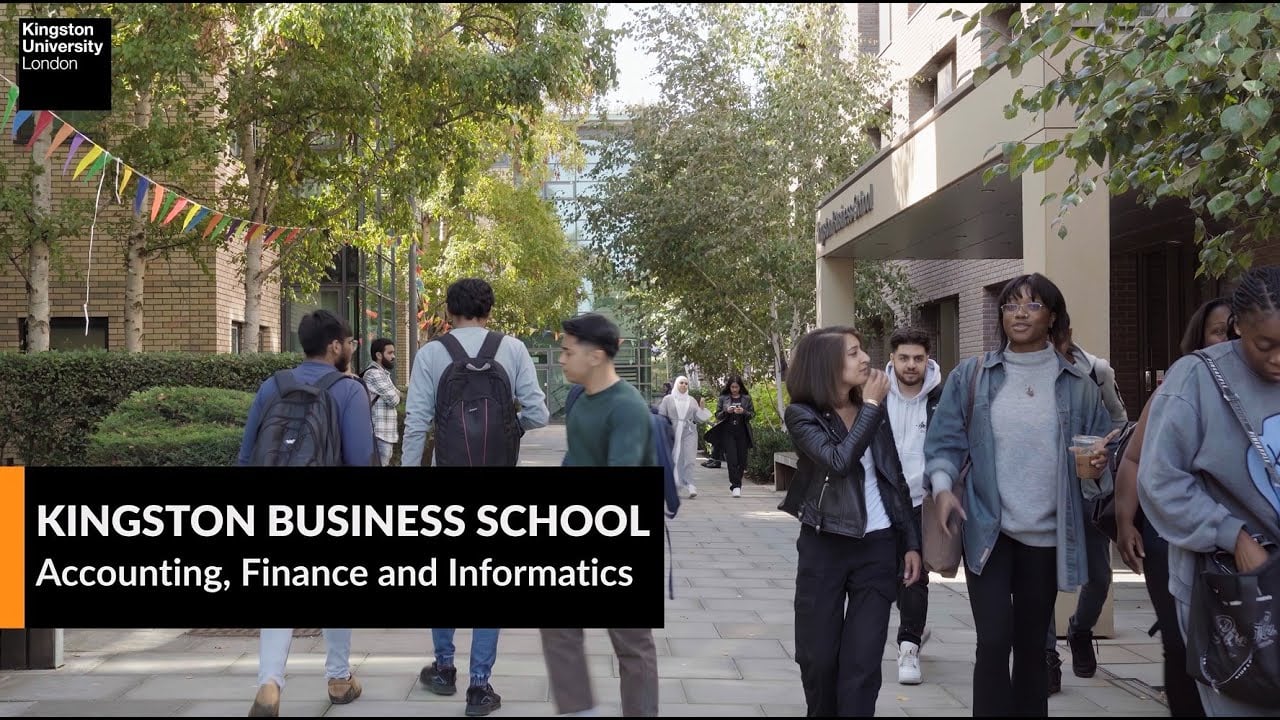
Inside the Department of Accounting, Finance and Informatics
Hear from our students and academics as they share their insights into what it's like to study in the department and the skills and opportunities you can develop throughout your studies.
Career opportunities
You’ll complete this course with the skills needed for careers in both financial and non-financial institutions, as well as for paths in corporate financial management. Previous graduates have progressed to roles like finance controller, corporate treasurer and financial analyst. You could also go on to a career in sectors such as banking and finance, treasury, fintechs and credit control.
Some of our graduates work at fintechs or startups, including:
- Exate Technology
- Mazars UK
- Mahindra & Mahindra Financial Services Limited
- Funding Circle
Teaching and assessment
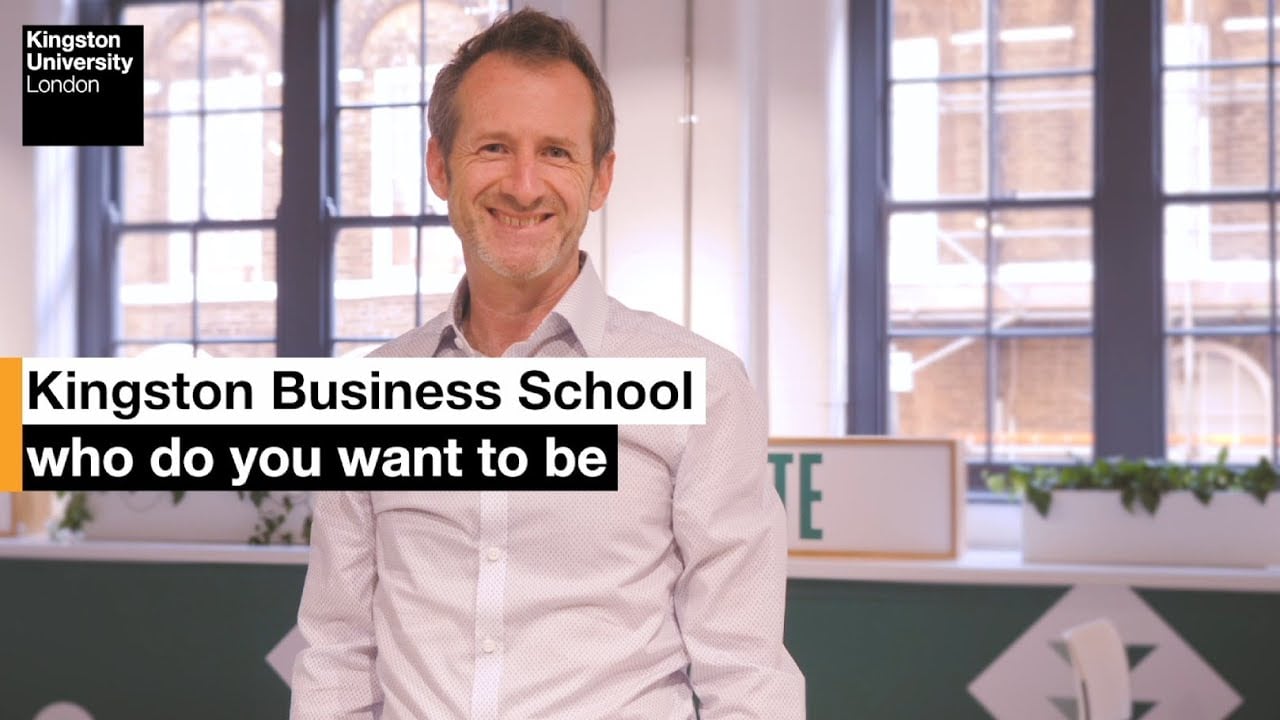
The Kingston Business School experience
Hear from our graduates as they reflect on their studies, share the skills they developed, and discuss how Kingston Business School prepared them for their future careers.
Fees and funding
Funding support for postgraduate students
If you are a UK student living in England and under 60, you can apply for a loan to study for a postgraduate degree. Find out more through the government's website.

Scholarships and bursaries
Interested in studying Finance and Investment MSc at Kingston? The following funding support is available:
Additional course costs
Some courses may require additional costs beyond tuition fees. When planning your studies, you’ll want to consider tuition fees, living costs, and any extra costs that might relate to your area of study.
Your tuition fees include costs for teaching, assessment and university facilities. So your access to libraries, shared IT resources and various student support services are all covered. Accommodation and general living expenses are not covered by these fees.
Where applicable, additional expenses for your course may include:

Apply for this course
Before you apply
Please read the entry criteria carefully to make sure you meet all requirements before applying.
How to apply online
Use the course selector drop-down at the top of this page to choose your preferred course, start date and mode, then click 'Apply now'. You will be taken to our Online Student Information System (OSIS) where you will complete your application.
If you’re starting a new application, you’ll need to select ‘new user’ and set up a username and password. This will allow you to save and return to your application.
Please note: if you’re from a country outside the EU or EEA that’s classified as overseas fee-paying, you won’t be eligible to apply for a part-time course because of visa regulations in the UK. For information about exceptions, please visit the UKCISA website or email our CAS and Visa Compliance team.
Application deadlines
We encourage you to apply as soon as possible. Applications will close when the course is full.
Course changes and regulations
The information on this page reflects the currently intended course structure and module details. To improve your student experience and the quality of your degree, we may review and change the material information of this course. Find out more about course changes
Specifications for this course are published ahead of each academic year.
Regulations governing this course can be found on our website.


