

Project Management MSc
- Business and management
- Postgraduate
If you want to lead projects that shape the future of organisations, our on-campus Project Management MSc offers an immersive, practice-focused learning experience. You’ll develop the strategic, technical and leadership skills to deliver complex projects, lead digital transformation and drive sustainable organisational change. You'll learn to use industry-standard tools, agile methodologies and data-informed decision making. By studying on campus, you’ll work alongside peers and industry mentors, developing practical skills that prepare you to become a project leader capable of driving meaningful change across industries.
There is also a distance learning version of this course.

Solve the biggest challenges facing businesses today
You will gain hands-on experience solving practical project management problems with mentorship from experienced practitioners.
This exciting new course equips future-focused project leaders with the mindset and skills to make lasting impact. You’ll gain hands-on experience with project management practices that prioritise sustainability, innovation, and strategic thinking.
Today's organisations increasingly deliver digital transformation, innovation and strategic change through projects. As businesses adopt new technologies and respond to evolving customer expectations, skilled project professionals are needed to lead change across every sector. This course prepares you to become one of them.
Learning comes to life through in-person workshops, block delivery sessions, industry collaborations, and insights from leading practitioners. You’ll also have the chance to earn professional certifications such as AGILE during your degree.
With a focus on real-world application, the course prepares you to deliver successful outcomes across diverse sectors and advance to rewarding careers at the forefront of project management.
The convergence of digital transformation and the project economy have rendered traditional, linear management approaches obsolete. Our programme is designed to cultivate leaders who possess not only the technical mastery of project frameworks but also the strategic foresight and adaptive capability to steer complex change initiatives. We prepare our graduates to become architects of organisational value in a digitally-driven world.
Why choose this course
Kingston Business School is among the top 6% of business schools globally to hold the prestigious AACSB (Association to Advance Collegiate Schools of Business) accreditation, recognising excellence in business education and providing an internationally recognised mark of quality valued by employers.
The on-campus MSc Project Management equips ambitious professionals with the expertise and credentials to lead complex projects in a rapidly changing business environment. You’ll engage with advanced project management theory, applied research, and real-world practice guided by experienced academics and industry practitioners.
The degree develops key skills in strategic planning, agile delivery, digital collaboration and sustainable project management, preparing you to lead complex transformation projects in organisations worldwide.
Throughout the course you'll gain practical experience using industry-standard digital tools including Jira and Miro, alongside leading project management frameworks such as Agile and PRAXIS, ensuring you graduate with both theoretical knowledge and practical workplace skills.
You’ll also have the opportunity to earn professional certifications, such as PRAXIS and AGILE, as well as micro-credentials to strengthen your professional profile. Through industry-led workshops, guest lectures, and networking events, you’ll build connections that support your career growth in project management.
Sustainability is embedded throughout the course, helping you understand how successful projects deliver long-term value by balancing commercial objectives with environmental, social and governance (ESG) considerations.
Why on-campus?
- Hands-on learning: Develop practical project management skills through workshops, project simulations, collaborative problem-solving and industry-standard software including Jira and Miro.
- Direct mentoring: Work closely with academics and industry experts to receive tailored guidance.
- Networking opportunities: Build connections through in-person events, guest lectures, and collaborative projects with peers.
- Immersive experience: Immerse yourself in collaborative learning through intensive block teaching, team-based projects and practical activities, including LEGO Serious Play (LSP), helping you develop the leadership, facilitation and communication skills employers value.
The Kingston Business School experience
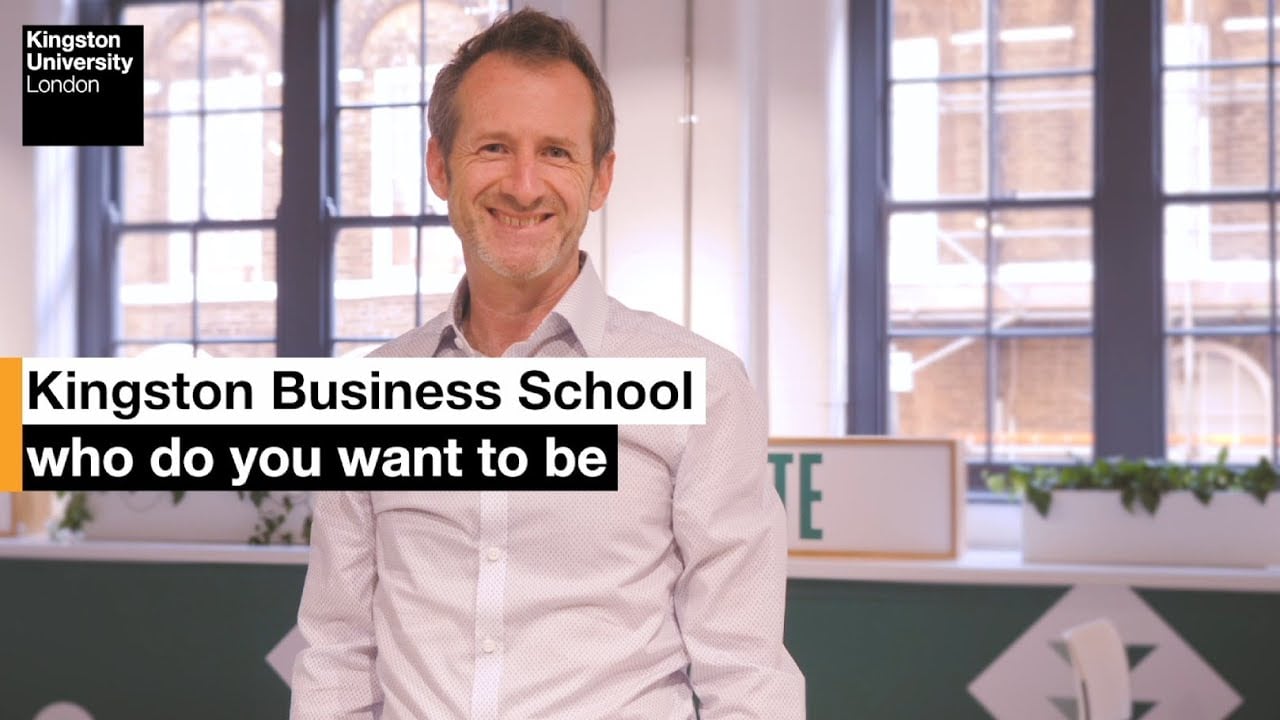
Hear from our graduates as they reflect on their studies, share the skills they developed, and discuss how Kingston Business School prepared them for their future careers.
Course content
Throughout the course you'll explore how organisations use projects to deliver digital transformation, innovation and sustainable growth. You'll combine strategic project management theory with hands-on experience of AGILE and PRAXIS methodologies, industry-standard digital collaboration tools, leadership development and practical project delivery.
All modules combine theory with applied learning, including workshops, case studies, and a practical project, allowing you to develop the knowledge, skills, and professional confidence needed to succeed in complex, dynamic project environments.
Modules
Core modules
Year 2 (placement option)
The professional placement year is available as an option for those who have chosen the on-campus version of this course.
The year takes place after the full-time year, and enables you to do a 12-month work placement as part of your course. The work placement is an assessed part of the course and is therefore covered by a Student Route visa.
Find out more about the postgraduate work placement scheme.
Professional Placement
Kingston Business School accreditation
Kingston Business School holds the prestigious international accreditation by the AACSB (Association to Advance Collegiate Schools of Business) in recognition of the excellence of its business education. This accreditation has been earned by just 6% of the world's business schools. It recognises the high quality and standard of our business degree offerings.

Ready for business
At Kingston Business School, we believe that professional success is shaped by honing your personal capacity and skillset, supported by the academic framework of knowledge. Through vocationally rich, employer-engaged and research-informed courses, we work alongside our students to help them meet personal goals and career ambitions.

Career opportunities
Lead organisational change through projects
Organisations across every sector increasingly rely on projects to deliver digital transformation, innovation, sustainability initiatives and strategic change. As a graduate, you'll be equipped to lead projects, programmes and portfolios that create long-term organisational value.
Example job titles include:
- project manager
- programme manager
- portfolio manager
- agile delivery lead
- scrum master
- agile coach
- PMO analyst
- PMO manager
- PMO director
- digital transformation lead
- sustainability project lead
- ESG project manager
- strategy and management consultant.
Continuing your studies
You may decide to continue your studies at Kingston University through doctoral research.
Setting up your own business
Many graduates decide to use the skills they have learned to set themselves up in business.
Teaching and assessment
Fees and funding
Additional course costs
Some courses may require additional costs beyond tuition fees. When planning your studies, you’ll want to consider tuition fees, living costs, and any extra costs that might relate to your area of study.
Your tuition fees include costs for teaching, assessment and University facilities. So your access to libraries, shared IT resources and various student support services are all covered. Accommodation and general living expenses are not covered by these fees.
Where applicable, additional expenses for your course may include:
Funding support for postgraduate students
If you are a UK student living in England and under 60, you can apply for a loan to study for a postgraduate degree. Find out more through the government's website.

Scholarships and bursaries
The following funding support may be available:
How to apply
Before you apply
Please read the entry criteria carefully to make sure you meet all requirements before applying.
How to apply online
Use the course selector drop-down at the top of this page to choose your preferred course, start date and mode, then click 'Apply now'. You will be taken to our Online Student Information System (OSIS) where you will complete your application.
If you’re starting a new application, you’ll need to select ‘new user’ and set up a username and password. This will allow you to save and return to your application.
Please note: If you’re from a country outside the EU or EEA that’s classified as overseas fee-paying, you won’t be eligible to apply for a part-time course because of visa regulations in the UK. For information about exceptions, please visit the UKCISA website or email our CAS and Visa Compliance team.
Application deadlines
We encourage you to apply as soon as possible. Applications will close when the course is full.
Who teaches this course
You will be taught by experienced academics and industry practitioners with expertise in project management, agile delivery, organisational change and digital transformation, ensuring your learning reflects contemporary professional practice.


Course changes and regulations
The information on this page reflects the currently intended course structure and module details. To improve your student experience and the quality of your degree, we may review and change the material information of this course. Find out more about course changes
Specifications for this course are published ahead of each academic year.
Regulations governing this course can be found on our website.


