

Psychology MSc
- Psychology
- Postgraduate
If you want to gain Graduate Basis for Chartered Membership (GBC) from the British Psychological Society (BPS), this is the conversion course for you.

Convert your bachelors degree into a Psychology MSc
Join the Kingston School of Law, Social and Behavioural Sciences.
Our degrees are underpinned by a vibrant research culture and delivered by a blend of practitioners and academics who are dedicated to equipping you with the employability skills to thrive in your career. You will have a wealth of opportunities outside the classroom to further your learning and gain hands-on experience in your chosen field.
Whether you have an undergraduate degree in an unrelated discipline, or completed an undergraduate degree in psychology that’s not accredited by the BPS, this course will provide your first step towards a career as a chartered psychologist. You will benefit from a research active department; our psychology team conducts internationally excellent research and has links with universities across the USA and Europe. You will also be able to hear from eminent psychologists who regularly present their findings at Kingston University.
For example, you will have the opportunity to research an area of interest in your final research project. In addition, you will choose an optional module from a variety of psychology specialisms, or the work experience module which will enable you to gain practical skills in the field. Current students have had placements in nurseries, schools, mental health services, play therapy and charities for people with disabilities.

Why choose this course
The Psychology MSc is a conversion course for graduates from disciplines other than psychology who wish to gain GBC (Graduate Basis for Chartered Membership). This is the first step for those who wish to work as a chartered psychologist in the UK.
GBC ensures that a student has sufficient knowledge, understanding and experience of academic psychology before they apply for postgraduate professional training in areas such as clinical, occupational, educational, forensic or counselling psychology.
The MSc Psychology is also appropriate for psychology graduates who want to pursue postgraduate professional training in psychology, but whose undergraduate degree is not accredited by the British Psychological Society (BPS).
This conversion course covers all the key sub-disciplines of contemporary psychology and provides extensive training in research skills. You will gain a broad understanding of psychology, learning to critically appraise psychological models, theories and methodologies.
Teaching is in small groups and seminars, with practical research exercises and access to high quality laboratories.
For any course-related enquiries, please email the Course Leader, Alistair Harvey.
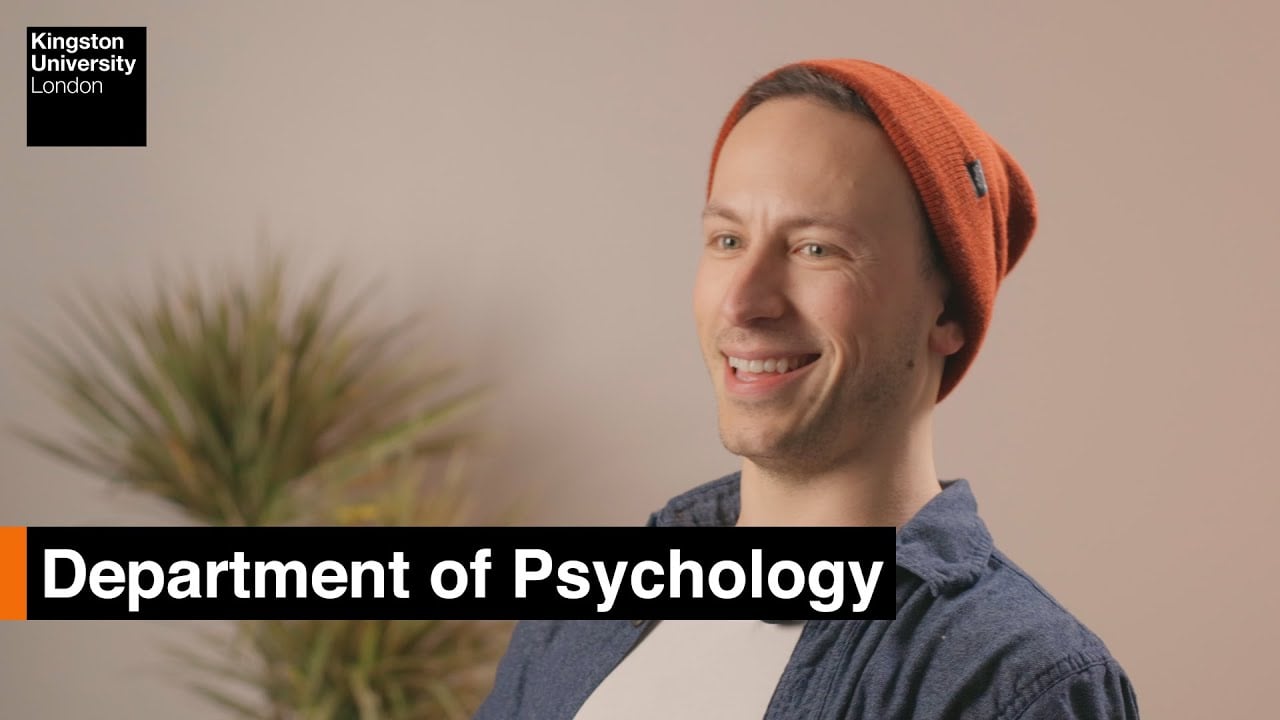
Discover the Department of Psychology
Hear from our academics as they explore what it's like to study in the department, the facilities and resources available to you, and the opportunities and skills you can develop during your studies.
Accreditation
Graduates from this course are eligible to gain Graduate Basis for Chartered Membership (GBC) from the British Psychological Society (BPS). This is a necessary first step towards becoming a Chartered Psychologist. You would then take further training in a specific field of psychology, which could then lead to a career as a Chartered Psychologist in your chosen field, for example forensic psychology.

Prepare for global impact
Kingston School of Law, Social and Behavioural Sciences offers courses in economics, law, psychology and criminology. Our degrees are underpinned by a vibrant research culture and delivered by a blend of practitioners and academics who are dedicated to equipping you with the employability skills to thrive in your career.

Course content
You will cover all areas of Psychology required by the BPS. This will include extensive training in research skills and you will be encouraged to develop a critical and analytical approach to psychological models, theories and methodologies. You will conduct practical research exercises and produce a research-based dissertation in an area of psychology of interest to you (subject to supervisor availability).
Please note: Optional modules only run if there is enough demand. If we have an insufficient number of students interested in an optional module, that module will not be offered for this course.
Full time MSc
You will study three core modules in addition to your dissertation: Cognition and Biological Psychology, The Person in Psychology, and Methods and Statistics for MSc Psychology. In addition, you will study one further optional module from the list below.
Core modules
Optional modules (choose one)
Part time MSc
Part time students take 90 credits over seven months in the first year.
In the second year you will take a further 90 credits over 12 months, in which the dissertation is also undertaken plus one option module worth 30 credits.
Lectures take place on weekdays.
Year 1 core modules
Year 2 core module
Optional modules (choose one module in year 2)
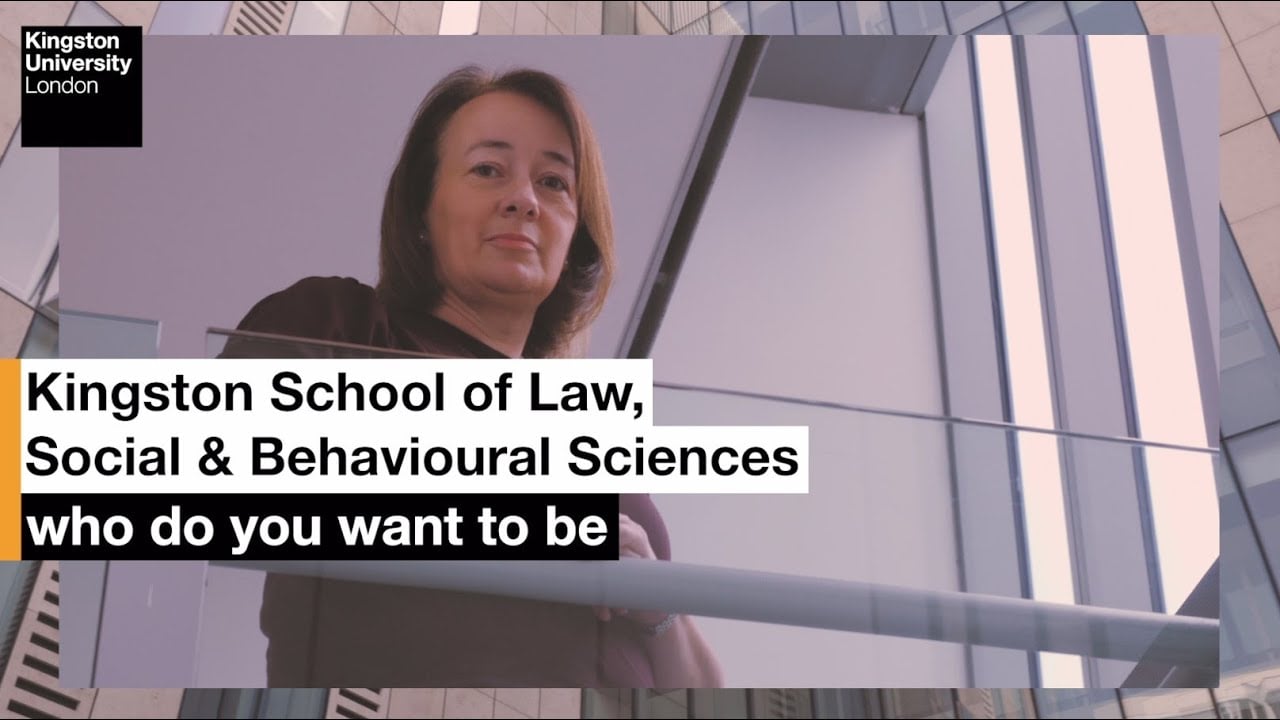
Inside the School of Law, Social and Behavioural Sciences
Hear from current students, graduates and our academics as they talk about what it's like to study in the School of Law, Social and Behavioural Sciences.
Career opportunities
Many graduates from this conversion course continue their training and eventually become chartered psychologists. Careers include clinical, forensic, educational and occupational psychology, social work, counselling and teaching.
Teaching and assessment
Fees and funding
Fees for future course years
Part time
If you start your second year straight after Year 1, you will pay the same fee for both years.
If you take a break before starting your second year, or if you repeat modules from Year 1 in Year 2, the fee for your second year may increase.
Funding support for postgraduate students
If you are a UK student living in England and under 60, you can apply for a loan to study for a postgraduate degree. Find out more through the government's website.

Scholarships and bursaries
For students interested in studying Psychology MSc at Kingston, there are several opportunities to seek funding support:

Additional course costs
Some courses may require additional costs beyond tuition fees. When planning your studies, you’ll want to consider tuition fees, living costs, and any extra costs that might relate to your area of study.
Your tuition fees include costs for teaching, assessment and university facilities. So your access to libraries, shared IT resources and various student support services are all covered. Accommodation and general living expenses are not covered by these fees.
Where applicable, additional expenses for your course may include:
How to apply
Before you apply
Please read the entry criteria carefully to make sure you meet all requirements before applying.
How to apply online
Use the course selector drop-down at the top of this page to choose your preferred course, start date and mode, then click 'Apply now'. You will be taken to our Online Student Information System (OSIS) where you will complete your application.
If you’re starting a new application, you’ll need to select ‘new user’ and set up a username and password. This will allow you to save and return to your application.
Application deadlines
We encourage you to apply as soon as possible. Applications will close when the course is full.
Information required to confirm your place
If English is not your first language, we will require proof of your proficiency to allow us to confirm your place on the course. This will generally be either an IELTS or TOEFL test certificate, which can be forwarded to us after you have submitted your application. If you do not hold a formal English language qualification, please indicate how you have acquired your proficiency in written and spoken English.

Course changes and regulations
The information on this page reflects the currently intended course structure and module details. To improve your student experience and the quality of your degree, we may review and change the material information of this course. Find out more about course changes
Specifications for this course are published ahead of each academic year.
Regulations governing this course can be found on our website.


