

Game Development BSc (Hons)
- Digital media and gaming
- Undergraduate
Kick off your career in games development with the Game Development BSc (Hons) degree course from Kingston University, ranked No.2 in London for Animation and Game Design (The Guardian University Guide 2025). You will experience all aspects of game development from concept design and prototyping through to programming, production, testing and publishing.

Turn your passion for gaming into a successful career
Develop industry connections, skills and experience to build a future career in the games industry
Through this course you'll graduate ready for a wide range of roles spanning the games industry. These include: Game Designer, Gameplay Programmer, Network Programmer, Producer, Systems Designer, Technical Artist, Gameplay Engineer, Game Tools Engineer and Senior Unity Engineer.
Our graduates are working at some of the top game studios, including Rockstar, Ubisoft, Mojang, Rare, Tencent, Creative Assembly, Rebellion, Playground Games, Lighthouse Games, Jagex and Zynga.
Kingston graduates have contributed to globally-recognised titles including Grand Theft Auto VI, Grand Theft Auto Online, Red Dead Redemption, Red Dead Redemption 2, Minecraft, Fable, Forza Horizon, RuneScape, Sea of Thieves and Atomfall.
You'll learn in industry-standard facilities designed to replicate professional development environments. Our dedicated Games Lab features high-performance workstations equipped with Intel i7 processors, NVIDIA GeForce RTX 3090 graphics cards and PlayStation 5 development kits. You'll have access to the Centre for Augmented and Virtual Environments (CAVE), where you can explore emerging technologies using virtual and augmented reality equipment, including Meta Quest, Oculus, HTC Vive Pro 2 and immersive motion-tracking systems.
Throughout the course, you'll work with professional software and development tools used across the games sector, including Unity, Unreal Engine 5, Visual Studio, Steam SDKs, Maya, Blender and Adobe Creative Cloud. You will also work with specialist technologies, including motion capture facilities, mobile development devices, and professional 4K digital cameras, ensuring you graduate with both the creative and technical skills sought by employers across the games industry.
Our games inKUbator programme provides direct access to industry professionals through regular guest talks, workshops and activities. Previous speakers have included experts from Rockstar Games, Epic, Rebellion, Creative Assembly, Playground, Minecraft, Ubisoft, Larian, Tencent, Unreal Engine, Unity, helping you build valuable industry insight and professional networks before you graduate.
Game development at Kingston University
Hear from our students how they are turning a passion for gaming into a successful career.

Student work
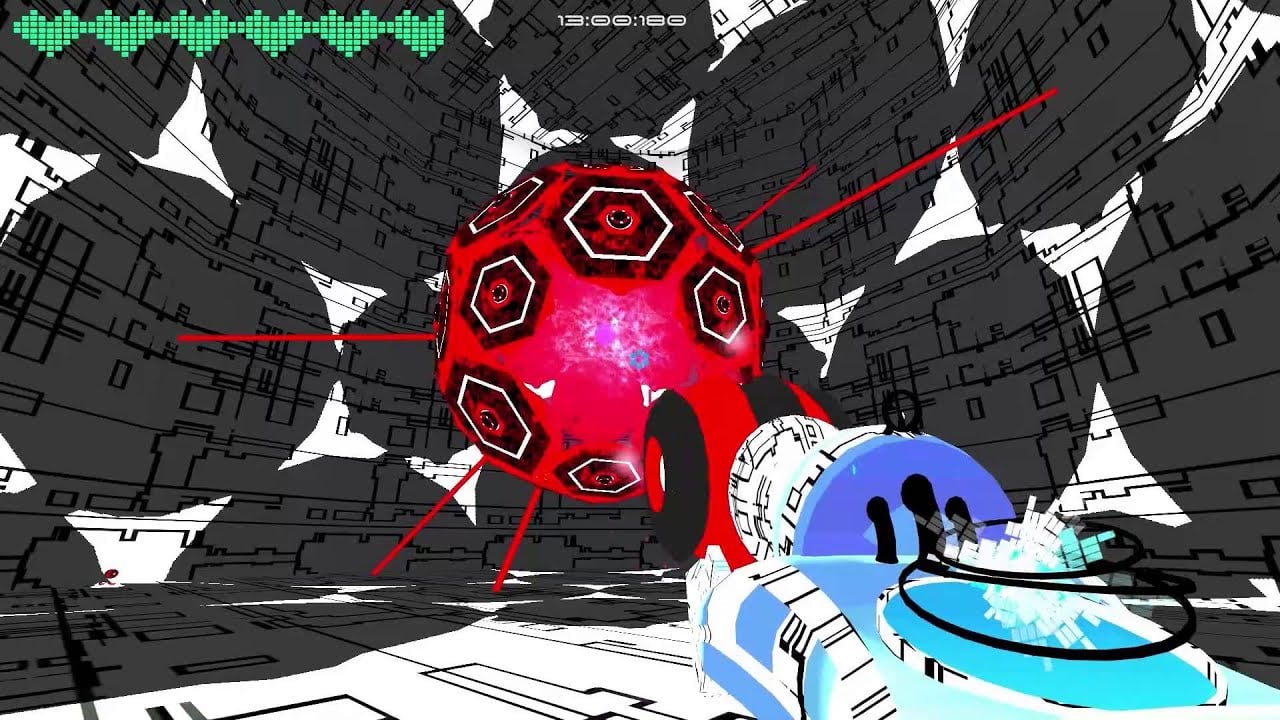
Darklight
A clip from Darklight, project of the year winner.
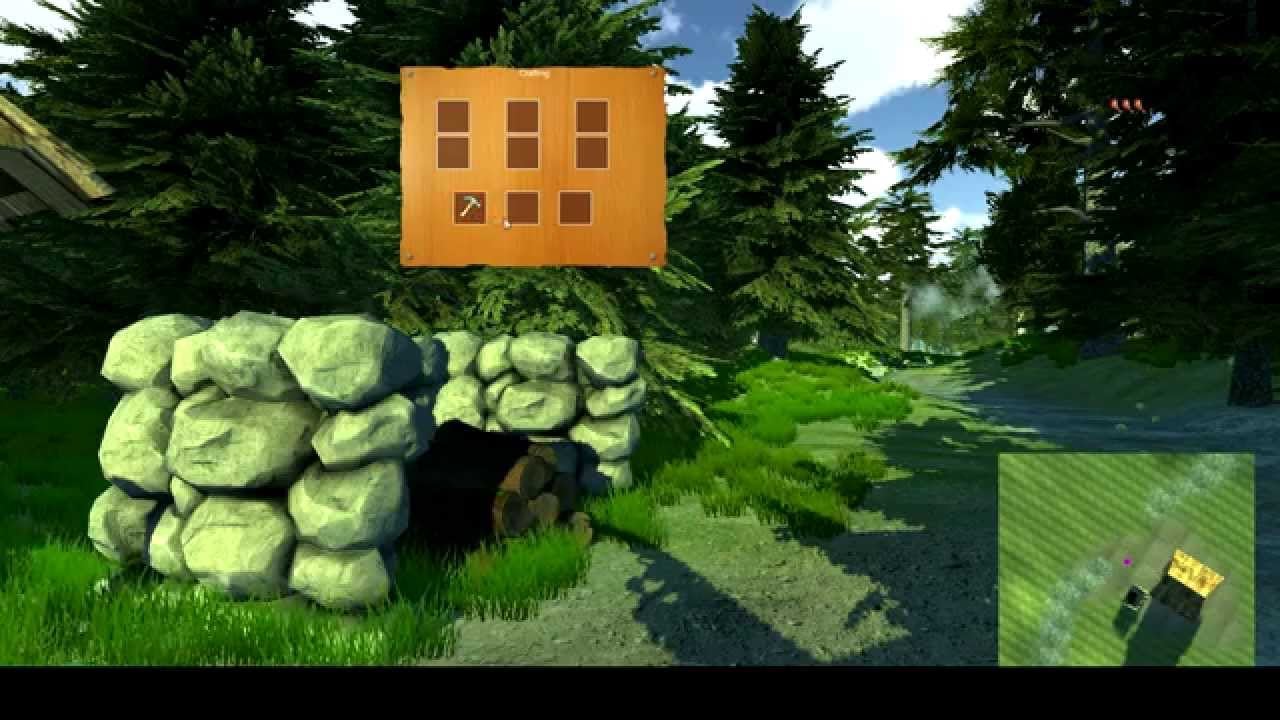
The Perfect Game
A clip from The Perfect Game, team of the year winner.

InKUbator creations
A compilation of demos featuring work created by our students during their time with InKUbator – the Kingston University games development studio.
Why choose this course
Throughout this course, you will create, make games and experience all aspects of game development, from initial design to prototyping, production and publishing. You will use industry-standard game engines, like Unity and Unreal, across various platforms. For example, you’ll use PC, mobile, tablet, and the Sony PlayStation 5, with programming languages such as C++ and C#.
You will also gain expertise in artificial intelligence, generative AI, 3D graphics, multiplayer games, and console game development. The course will equip you with the skills to create real-time strategy, puzzle, stealth, first-person, and educational games. Additionally, the course covers essential computer science concepts like requirements analysis and computing systems.
Thanks to our strong links with the industry, you will have the opportunity to participate in game jams, where students develop games to a theme over a 24-hour period in the games lab. For our most recent game jam, the theme was "world peace". You will also get to take part in hackathons and other optional events, like Develop, the UK's top game development conference in Brighton. Each year, Kingston presents a showcase of the top student work at Develop as part of our commitment to embedding employability in this programme.
In addition, the inKUbator, our game development studio, provides games students with the opportunity to hear and learn from a large number of industry speakers and to work together in interdisciplinary teams to create games. As a result, upon graduation, you will have a compelling portfolio, positioning you well for an exciting career in the games industry.
Please note: this course was formerly known as Computer Games Programming BSc (Hons).
Kingston is No.2 in London for Animation and Game Design (The Guardian University Guide 2025).
PlayStation licensed developer
Kingston University is a PlayStation licensed developer, meaning you will have the opportunity to learn how to develop games for the PlayStation 5 throughout your degree.

Unreal Engine
We are a member of the Unreal Engine academic partner programme.


Course content
Please note: Optional modules only run if there is enough demand. If we have an insufficient number of students interested in an optional module, that module will not be offered for this course.
Foundation year - Computing
If you would like to study computing at Kingston University but are not yet ready to join the first year of a BSc (Hons) course, you can include an extra foundation year within your chosen degree.
Year 1
In Year 1 you will be introduced to the fundamentals of game development, including programming skills and the prototyping of new game ideas. Specialist modules introduce 2D and 3D game development techniques in C++ and C# together with the science that underpins it. You will also broaden your knowledge in computing, including requirements analysis and design.
Core modules
Year 2
In Year 2 you will create games using engines such as Unity and Unreal. You will have the opportunity to further develop your C++, C#, 3D graphics and Blueprint coding knowledge. You will learn how to incorporate artificial intelligence (AI) in your games including for real time strategy, racing and combat games as well as more serious and educational games. Underpinning this will be computer science concepts such as computing systems, parallel processing and new topics such as artificial intelligence, neural networks and large language models.
Core modules
Optional modules
Optional professional placement year
Core modules
Year 3/4
In Year 3 you use agile team-work to develop a game in a multidisciplinary team from initial concept to the publishing stage with the aim of releasing the finished product on platforms such as the Google Play Store or itch.io. You will also develop skills in real-time console and multiplayer game development as well as rapid prototyping making use of generative artificial intelligence. In addition to the capstone project, which has a games theme, you may choose from a range of option modules.
Core modules
Optional modules
Foundation year in Computing
Would you like to study computing at Kingston University, but are not yet ready to join the first year of a BSc (Hons) course?
You can include an extra foundation year within your chosen degree.
International students: direct application
Are you an international student? Have you decided Kingston is the place for you? If so, you can apply for this course directly, rather than having to go through UCAS.

What career opportunities does this course offer?
Students from our Game Development BSc (Hons) go on to a wide range of roles in both game development and computing.
Future Skills
Our Future Skills programme is embedded within all our undergraduate courses and throughout the whole Kingston experience. These skills will help you to become a future-proof graduate by equipping you with the skills most valued by employers, such as problem-solving, digital competency and adaptability.
As you progress through your degree, you'll learn to navigate, explore and apply these graduate skills. You’ll also understand how to demonstrate and articulate to employers how these future skills give you the edge.

Teaching and assessment
Scheduled learning and teaching on this course includes timetabled activities including lectures, seminars and small group tutorials.
It may also include placements, project work, workshops, workshops in computer labs, and laboratory workshops.
Fees and funding
Additional course costs
Some courses may require additional costs beyond tuition fees. When planning your studies, you’ll want to consider tuition fees, living costs, and any extra costs that might relate to your area of study.
Your tuition fees include costs for teaching, assessment and university facilities. So your access to libraries, shared IT resources and various student support services are all covered. Accommodation and general living expenses are not covered by these fees.
Where applicable, additional expenses for your course may include:
Scholarships and bursaries
For students interested in studying this course at Kingston, there are several opportunities to seek funding support.


Course changes and regulations
The information on this page reflects the currently intended course structure and module details. To improve your student experience and the quality of your degree, we may review and change the material information of this course. Find out more about course changes
Programme Specifications for the course are published ahead of each academic year.
Regulations governing this course can be found on our website.
What our students and graduates say
Without a doubt, the best part of the course is the projects. Almost every module at some point will have you program an application or game and as long as you meet the criteria, you can let your imagination run free. Not only is it fun but very rewarding to make something that others can enjoy. We talk to each other and play each other's games, and when someone enjoys your creation the feeling of pride is insurmountably thrilling. You get excited about your next project with even more ideas, and it hooks you in. Theories you've learned in lectures become practical applications, and those applications affirm your knowledge of said theories, creating a loop of enjoyable and rewarding learning experiences.
Not only have I thoroughly enjoyed every module so far, but we are also given many opportunities to succeed in the industry, such as the inKUbator Game Jam and the ability to show your games at Develop. Having just finished my first year, I found partaking in these events left me with a deeper understanding of the industry, gave me many connections in different companies and helped me make new friends along the way.
What are the facilities like?
When you join Kingston University, you will have access to a wide range of facilities and resources designed to support your studies. Use the virtual tour below to explore some of the facilities and learning environments that students within this subject area may experience during their studies.




Key information
The scrolling banner below displays some key factual data about this course (including different course combinations or delivery modes of this course where relevant).
