

Pharmacology BSc (Hons)
- Biology, biochemistry and biomedical science
- Pharmacy, pharmaceutical science and chemistry
- Undergraduate
Kickstart your career in Pharmacology with the Pharmacology BSc (Hons) degree course from Kingston University. This course aligns with the core curriculum requirements set out by the British Pharmacological Society (BPS), the professional association for pharmacologists and one of the leading pharmacological societies in the world. It is also accredited by the Royal Society of Biology (RSB).

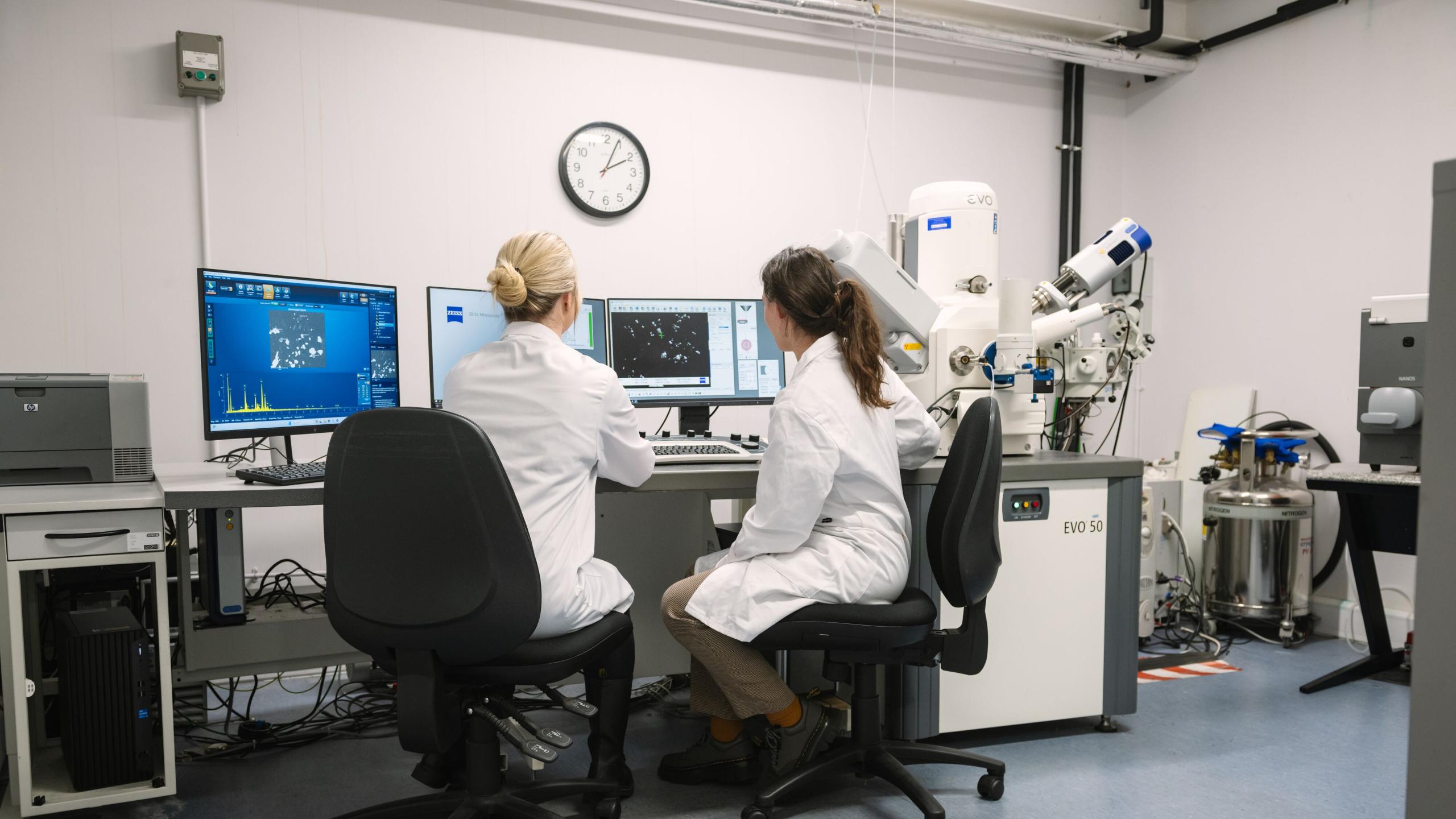
Use our state-of-the-art labs to explore the impact of medicinal drugs on diseases
On this course, you will benefit from our wide range of facilities for practical work.
At our Penrhyn Road campus, you will have access to a modern environment including:
- up-to-date applied biology and chemistry laboratories, the £9.8 million Eadweard Muybridge building with state-of-the-art laboratories, exercise physiology and biomechanics labs, and specialist equipment, including electron and confocal microscopes and spectrometers.
- integrated enterprise activities in your course, focusing on real-world problem solving in the area of Pharmacology.
- our award-winning Town House library, providing modern space for individual study and group work.
- computing laboratories and a team of IT support staff.
Pharmaceutical science, pharmacology and chemistry at Kingston University
Join our chemistry, pharmacology and pharmaceutical science students and staff as they show you their favourite pieces of lab equipment and guide you through Kingston University’s state‑of‑the‑art facilities. Get an insider’s look at the tools and techniques used in industry to design medicines that work smarter with the human body.

Many don’t understand the difference between pharmacy and pharmacology. If you’re interested in the medicine we supply to the public, Pharmacology is a fantastic route: a discovery driven and research-heavy degree.
Whilst being a Pharmacist primarily involves patient-facing tasks, Pharmacologists look at the science of how drugs work at a molecular and cellular level, to understand mechanisms and develop new medicines. Being taught the systems of how drugs work has been not only fun but also has opened up countless opportunities to work alongside patients or research.
As a graduate, I can delve deeper by working in drug discovery and toxicology, or focus on patient-facing tasks such as being a Physician Associate. Pharmacology has much broader career flexibility and expansion. If you’re unsure of your career and passions, Pharmacology is the degree to do.
Why choose this course
How exactly do medicinal drugs treat and prevent disease? How are they discovered and tested? How do they affect society? If you want to delve deeper into these questions, this could be the course for you.
This course is taught by award-winning experts, with a focus on biological and physiological processes, rather than chemical ones. We'll examine how drugs act on their targets in major organs and systems, and how the body reacts.
You'll study the treatment of infectious and non-infectious diseases, such as cancer, diabetes, asthma, and cardiovascular disease. You'll also have opportunities to learn about new drugs affecting the brain, treating epilepsy and depression, and how drugs influence addiction.
We have updated our modules to enhance student-centred teaching and align course content with industry needs, helping you become a future-proof graduate.
Throughout the course, I appreciated the variety of subjects and therapeutic areas covered and the support that the lecturers provided was second to none.
Accreditations
This course is accredited by the Royal Society of Biology (RSB).

Course content
Year 1
Year 1 offers essential understanding of how the human body works, providing knowledge to underpin the study of pharmacology, and essential laboratory skills that you will use throughout your degree. You will gain a comprehensive overview of physiology from cellular to organ-system level, as well as genetics and molecular biology.
Core modules
Year 2
In Year 2, you will explore the action of drugs at their target sites in greater detail, and the actions of the body on drugs once they have been administered.
You will also learn about how drugs act on the major organ systems of the body, including the cardiovascular, nervous, gastrointestinal, renal, respiratory and endocrine systems.
Further coverage of immunology, microbiology and molecular biology enables you to study selected diseases and their treatments. You will develop additional research skills ahead of your independent research project in year 3.
Core modules
Year 3
Year 3 provides further in-depth study of pharmacology - drugs used to treat cancer and infectious diseases; drugs acting on the brain and peripheral nervous system, such as antidepressants and analgesics; novel drugs used to treat degenerative brain diseases; and the mechanisms of action of drug abuse.
You will be able to investigate emerging new techniques in pharmacology. The wider impact of pharmacology on society is considered, and key skills needed to communicate with both specialists and the public are developed.
Your independent project enables you to gain experience of conducting research in a particular area of interest.
Core modules
Science Foundation Year
If you would like to study one of our science degrees at Kingston University but are not yet ready to join the first year of a BSc (Hons) course, you can include an extra foundation year within your chosen degree. Please see the science foundation year course page for details of modules.
International students: direct application
Are you an international student? Have you decided Kingston is the place for you? If so, you can apply for this course directly, rather than having to go through UCAS.

What career opportunities does this course offer?
Graduates from our Pharmacology BSc (Hons) course go on to work in clinical trials, drug research, medical writing, pharmaceutical marketing and science communication. The course can also provide a gateway into graduate studies for clinical routes or academic research programmes.
As part of the course, you will have the chance to undertake a placement year in the pharmaceutical industry. This invaluable experience will help you discover the career paths available and better prepare you for work after graduation.
Since graduating in 2016, I have completed an MPhil in Biological Sciences at the University of Cambridge and am now training to be a life science consultant.
Future Skills
Our Future Skills programme is embedded within all our undergraduate courses and throughout the whole Kingston experience. These skills will help you to become a future-proof graduate by equipping you with the skills most valued by employers, such as problem-solving, digital competency and adaptability.
As you progress through your degree, you'll learn to navigate, explore and apply these graduate skills. You’ll also understand how to demonstrate and articulate to employers how these future skills give you the edge.

Teaching and assessment
Scheduled learning and teaching on this course includes timetabled activities including lectures, seminars, small group tutorials and practical sessions.
It may also include placements, project work, workshops, conferences and field trips.

Fees and funding
Additional course costs
Some courses may require additional costs beyond tuition fees. When planning your studies, you’ll want to consider tuition fees, living costs, and any extra costs that might relate to your area of study.
Your tuition fees include costs for teaching, assessment and university facilities. So your access to libraries, shared IT resources and various student support services are all covered. Accommodation and general living expenses are not covered by these fees.
Where applicable, additional expenses for your course may include:
Scholarships and bursaries
For students interested in studying this course at Kingston, there are several opportunities to seek funding support.

Kingston had a great work play balance and offered a great range of extra-curricular activities. I took part in the Bright Ideas Entrepreneur Competition, was a member of the rowing club and represented the University as a student ambassador.

Course changes and regulations
The information on this page reflects the currently intended course structure and module details. To improve your student experience and the quality of your degree, we may review and change the material information of this course. Find out more about course changes
Specifications for this course are published ahead of each academic year.
Regulations governing this course can be found on our website.
What our students and graduates say
I chose to study this course because I have always been fascinated by how drugs interact within our bodies - complexities of the organs, how they reach the target site of pain, metabolism within the body, excretion and beyond.
What are the facilities like?
When you join Kingston University, you will have access to a wide range of facilities and resources designed to support your studies. Use the virtual tour below to explore some of the facilities and learning environments that students within this subject area may experience during their studies.

Key information
The scrolling banner below displays some key factual data about this course (including different course combinations or delivery modes of this course where relevant).

