

Biological Sciences BSc (Hons)
- Biology, biochemistry and biomedical science
- Undergraduate
Take your first step towards a career in the biological sciences with the Biological Science BSc (Hons) degree course from Kingston University. This degree is accredited by the Royal Society of Biology (RSB), so you can stay up to date with developments in life sciences. You can also choose to integrate a year’s professional placement into your degree, to give your career a head start.

Explore the science of living organisms in our state-of-the-art laboratories
Ground yourself in subjects ranging from evolution, genetics and diversity to medicine, drug and human development.
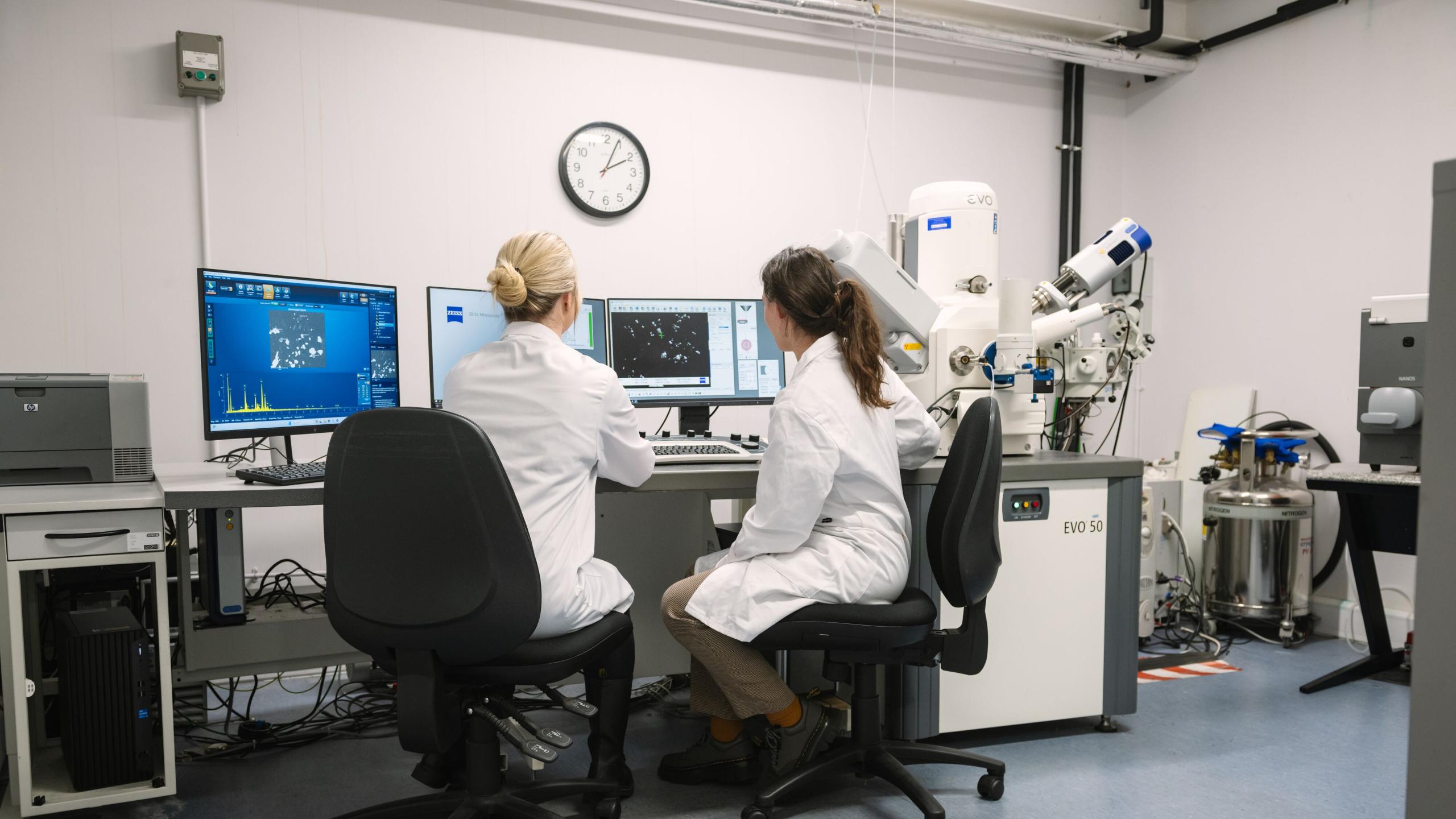
At our Penrhyn Road campus, you will have access to a modern environment with the latest equipment, including:
- the £9.8 million Eadweard Muybridge building with state-of the art laboratories
- an exercise physiology and biomechanics lab
- modern applied biology and chemistry laboratories
- specialist equipment, such as electron microscopes and spectrometers
- computing laboratories and a team of IT technicians to offer assistance.
The Library offers:
- subject libraries, plus a free inter-library loan scheme to other libraries in the Greater London area
- online database subscriptions
- a growing selection of resource material.
Biology, biochemistry and biomedical science at Kingston University
Biology, biochemistry and biomedical science students are getting answers to some of the world's biggest questions through their studies. Discover where their passion is taking them.
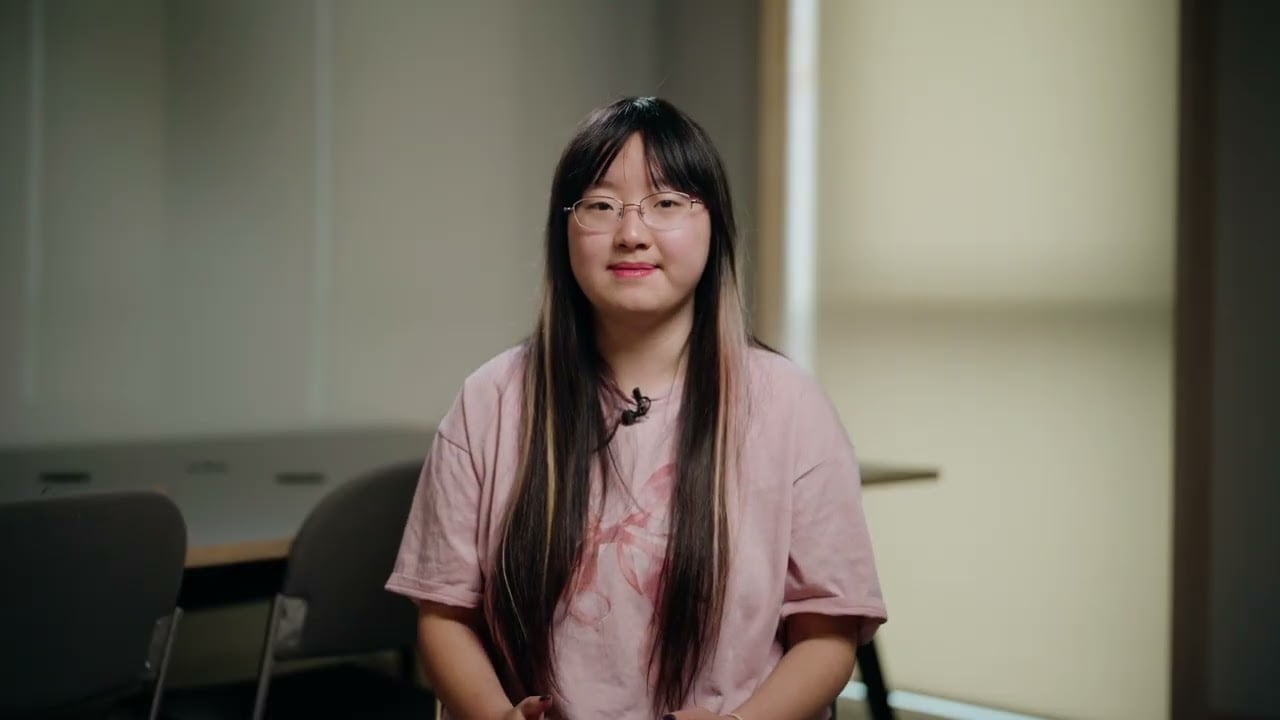
Kingston University provided the perfect balance of theoretical knowledge and practical experience. The supportive academic environment, facilities, and research-driven curriculum prepared me well for pursuing a career in science and research.
Why choose this course
The biological sciences form the basis of many new areas of science and technology. They are the foundation of our understanding of a diverse range of subjects – from evolution, genetics and diversity to medicine, drug and human development.
On this course, you choose to specialise in Medical Biology or Molecular Biology at the end of Year 1.
Practical work includes a laboratory and/or field-based project, a data project or a systematic review. Project work might be based in a laboratory or organisation outside the University. Through a combination of theory and practical work, you'll gain the knowledge, techniques and skills you need to boost your employability, ready for when you graduate.
We have updated our modules to enhance student-centred teaching and align course content with industry needs, helping you become a future-proof graduate.
Kingston University is No.1 in London and No.6 in the UK for Biology (The Guardian University Guide 2027).
96.7% of students were satisfied with the academic support they received (NSS 2025).
Accreditation
This course is accredited by the Royal Society of Biology (RSB). Kingston University students on this programme will receive free membership of the Royal Society of Biology for the duration of their course.

The Royal Society of Biology is the leading professional body for the biological sciences in the United Kingdom. The Society represents more than 16,000 biologists from all areas of the life sciences, as well as more than 100 organisations which make up the diverse landscape of biology in the UK and overseas. The Royal Society of Biology offers members unique opportunities to engage with the life sciences and share their passion for biology.
Whichever area of biology you wish to gain a career in, Royal Society of Biology membership will help you:
- Stay up to date with what is happening across the life sciences
- Gain additional recognition for your skills and experience
- Develop your professional network
- Demonstrate your support for the future of biology
Course content
Year 1
Year 1 is common to both streams of this biological sciences degree – medical biology and molecular biology – as well as a number of other degrees. It will give you a thorough understanding of the core subjects within life sciences and provides a measure of flexibility between courses. At the end of Year 1, you choose your specialism in either Medical Biology or Molecular Biology.
Core modules
Year 2
In Year 2, you will have core modules and specialist modules within your chosen specialism (Medical Biology or Molecular Biology). You will develop your knowledge, techniques and practical skills, as well as additional transferable and employable Future Skills.
Core modules
Medical Biology route
Molecular Biology route
Year 3
In Year 3, you will examine more advanced and applied aspects within your subject area. You will also undertake an independent project: you can research a topic of your choice within your specialism as either a laboratory-based project or a library-based dissertation.
Core modules
Medical Biology route
Molecular Biology route
Professional placement
All students are encouraged to identify opportunities for work experience during the course, which may be through an optional professional placement year taken between Years 2 and 3.
Science Foundation Year
If you would like to study one of our science degrees at Kingston University but are not yet ready to join the first year of a BSc (Hons) course, you can include an extra foundation year within your chosen degree. Please see the science foundation year course page for details of modules.
International students: direct application
Are you an international student? Have you decided Kingston is the place for you? If so, you can apply for this course directly, rather than having to go through UCAS.

What career opportunities does this course offer?
This degree can lead to careers in the pharmaceutical, medical, food, biotech and veterinary industries, as well as teaching and research.
Examples of graduate jobs include:
- bio technician
- scientific officer
- account manager
- quality control technician
- research assistant.
Recent graduate employers include the Institute of Cancer Research, Cancer Research UK, Kingston Hospital NHS Trust, Wellcome Trust, Natural History Museum and Kew Gardens.
Future Skills
Our Future Skills programme is embedded within all our undergraduate courses and throughout the whole Kingston experience. These skills will help you to become a future-proof graduate by equipping you with the skills most valued by employers, such as problem-solving, digital competency and adaptability.
As you progress through your degree, you'll learn to navigate, explore and apply these graduate skills. You’ll also understand how to demonstrate and articulate to employers how these future skills give you the edge.

Teaching and assessment
Scheduled learning and teaching on this course includes timetabled activities including lectures, seminars, small group tutorials and practical sessions.
It may also include placements, project work, workshops, conferences and field trips.
The lab work built my confidence and allowed me to become familiar with a variety of techniques. Although you don't really notice it, you also pick up a lot of practical skills, such as time management, organisation, punctuality and presentation skills.
Fees and funding
Additional course costs
Some courses may require additional costs beyond tuition fees. When planning your studies, you’ll want to consider tuition fees, living costs, and any extra costs that might relate to your area of study.
Your tuition fees include costs for teaching, assessment and university facilities. So your access to libraries, shared IT resources and various student support services are all covered. Accommodation and general living expenses are not covered by these fees.
Where applicable, additional expenses for your course may include:
Scholarships and bursaries
For students interested in studying this course at Kingston, there are several opportunities to seek funding support.


Course changes and regulations
The information on this page reflects the currently intended course structure and module details. To improve your student experience and the quality of your degree, we may review and change the material information of this course. Find out more about course changes
Specifications for this course are published ahead of each academic year.
Regulations governing this course can be found on our website.
What our graduates and students say
One standout experience I’ve had was my final year project on the effect of natural compounds on cervical cancer cells which applied my scientific knowledge to a real-world problem.
The staff definitely want to push you to do your best. The support system is 10/10. Any challenge that I’ve ever faced, I knew for sure that there was someone I could go to, to help me overcome my challenge.
The Biological Sciences degree enabled me to progress onto a masters in immunology of infectious diseases and this helped me step into my first 'real' job. I am currently a researcher at Imperial College London for the Department of Immunology.
What are the facilities like?
When you join Kingston University, you will have access to a wide range of facilities and resources designed to support your studies. Use the virtual tour below to explore some of the facilities and learning environments that students within this subject area may experience during their studies.








Key information
The scrolling banner below displays some key factual data about this course (including different course combinations or delivery modes of this course where relevant).


