Mechanical Engineering MEng/BEng (Hons)
- Engineering: mechanical and electronic
- Undergraduate
Kickstart your career as a mechanical engineer with the Mechanical Engineering MEng/BEng degree course from Kingston University. Our programme is designed to immerse you in a curriculum designed for the real world. This course offers both a Mechanical Engineering pathway and an Automotive Engineering pathway.

This course is in Clearing.
Call our Clearing line on
0800 0483 334
More about Clearing
Develop the design and manufacturing skills that keep our world moving
Gain theoretical and practical knowledge in engineering design, thermodynamics, fluid mechanics, applied mechanics and electronics.
Our BEng (Hons) course partly meets, and the MEng fully meets, the exemplifying academic benchmark requirements for registration as a Chartered Engineer (CEng). In addition, by joining our Department of Mechanical Engineering, you could begin your Monitored Professional Development Scheme (MPDS) journey concurrently with your studies. MPDS is a pathway for students to achieve Chartered Engineer (CEng) or Incorporated Engineer (IEng) status.
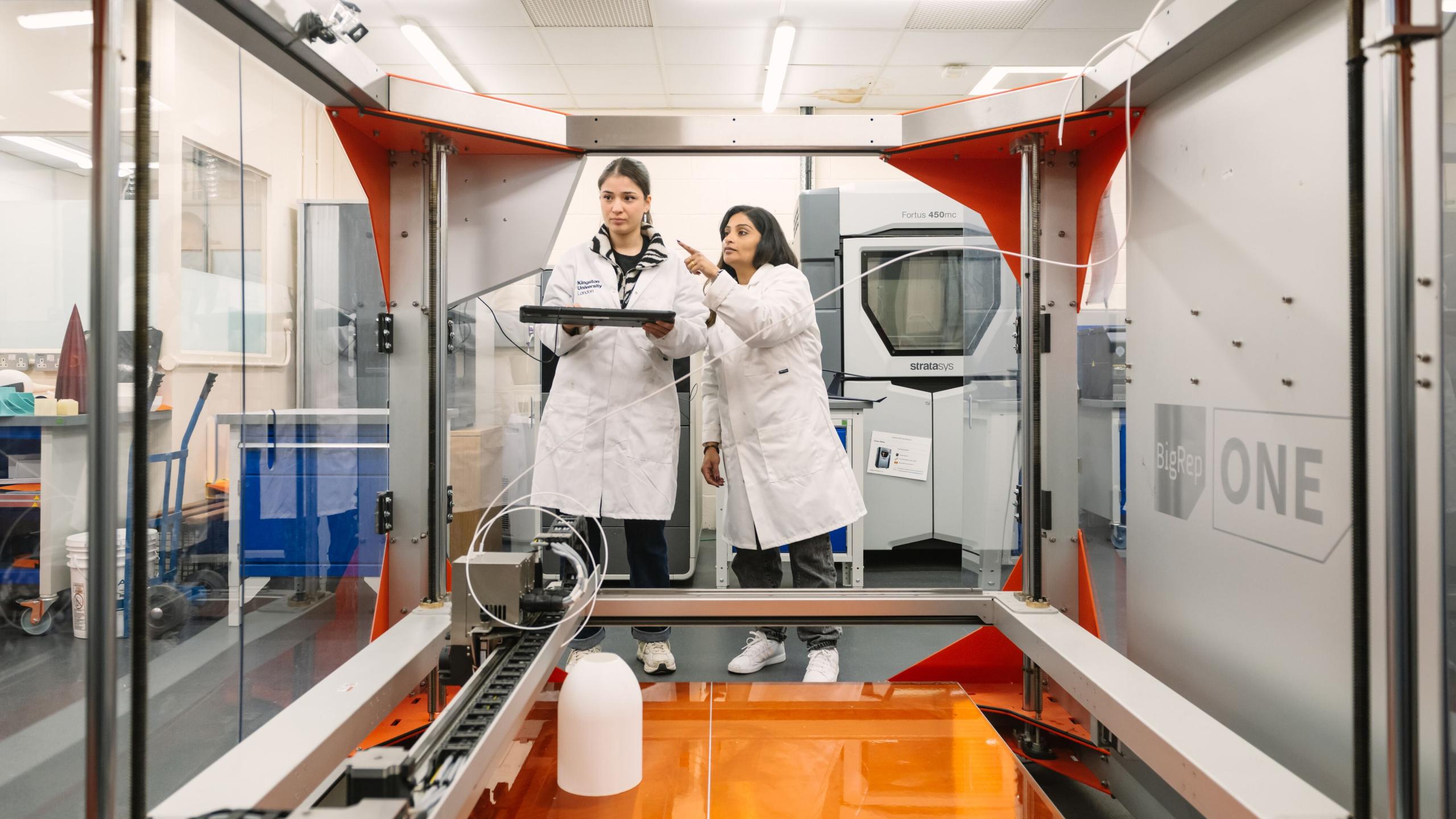
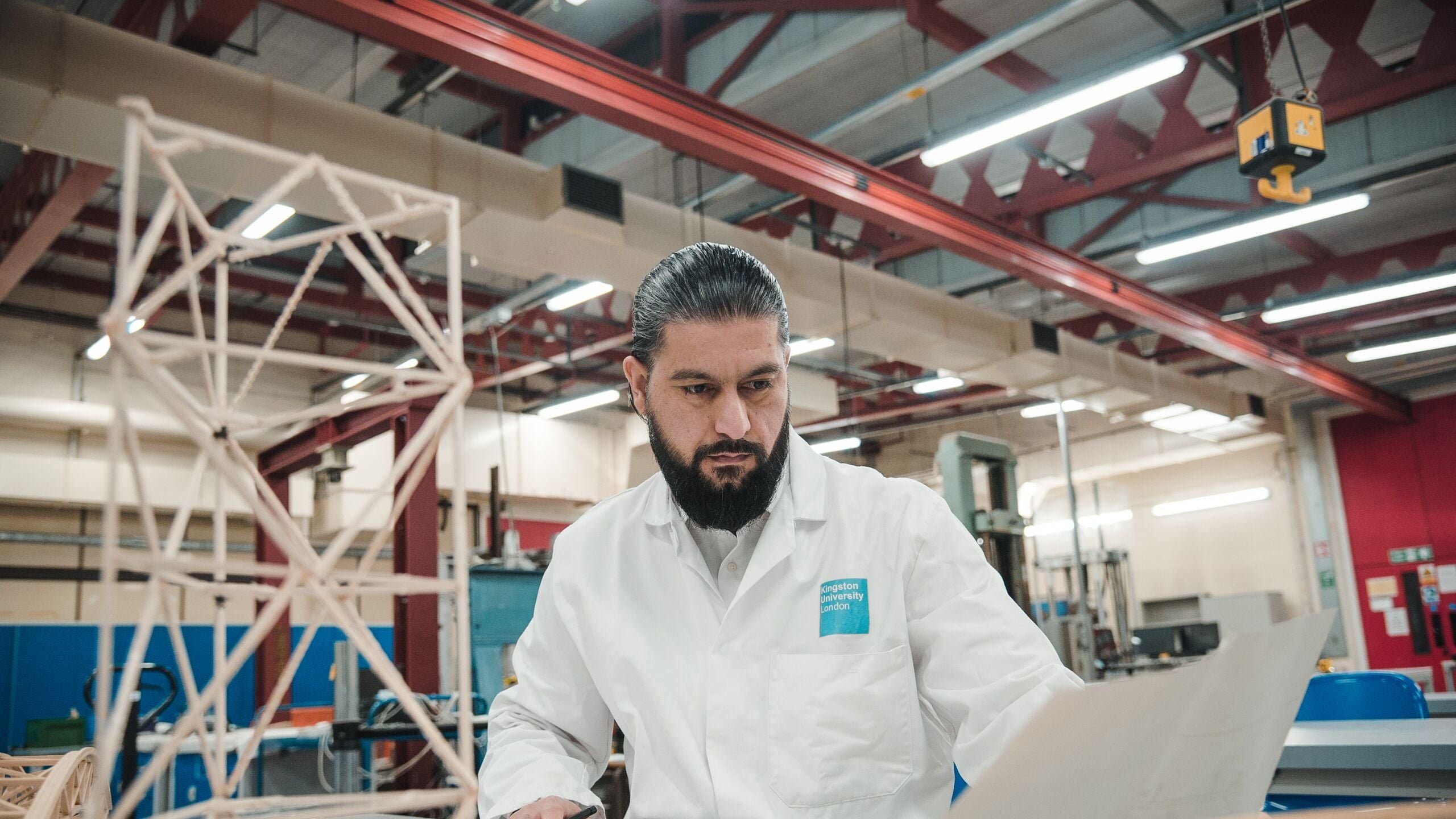
On this course, you will be able to take full advantage of the wide range of facilities available for practical work at our Roehampton Vale campus.
Our applied approach to teaching is supported by our dedicated laboratories. These include state-of-the-art facilities for rapid prototyping and manufacturing, a fully equipped materials laboratory, and a modern electronics and robotics lab.
Other technology and industry-standard equipment you will have access to includes:
- 3D design studio and workshop
- Mechanical engineering workshop
- 3D printers
- CNC 4 axis machine
- Rolling roads
- Automotive testing facilities
- A Lotus Exige
- Cars and motorcycles built by engineering students
- Electronics and robotics labs
Engineering at Kingston University
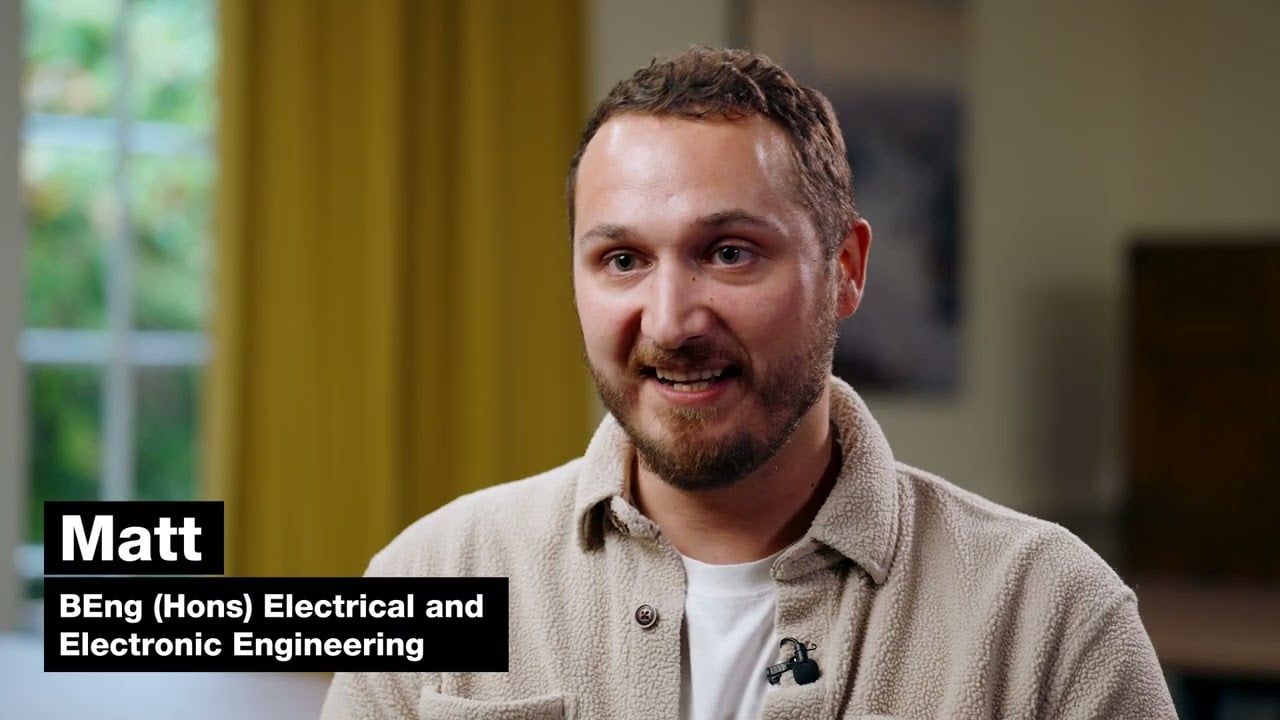
Follow along as our students talk through the skills they're developing to design their future careers.


Why choose this course
Mechanical Engineering at Kingston immerses you in a curriculum designed for the real world. You'll obtain a strong theoretical background and excellent hands-on skills in engineering design, thermodynamics, fluid mechanics, applied mechanics and electronics.
Our curriculum will equip you with crucial skills in business and project management. Emphasising sustainable practices, this programme aligns with key United Nations Sustainable Development Goals. Meaning you will graduate with the knowledge and understanding you need to tackle the pressing environmental and societal challenges of our time.
Through team-based design activities and industrially-based projects, you'll have lots of opportunities to enhance your communication skills and develop your ability to work collaboratively.
You can also choose to focus your studies and develop specialised knowledge through the Automotive Engineering pathway on this course.
Formula Student and motorsport
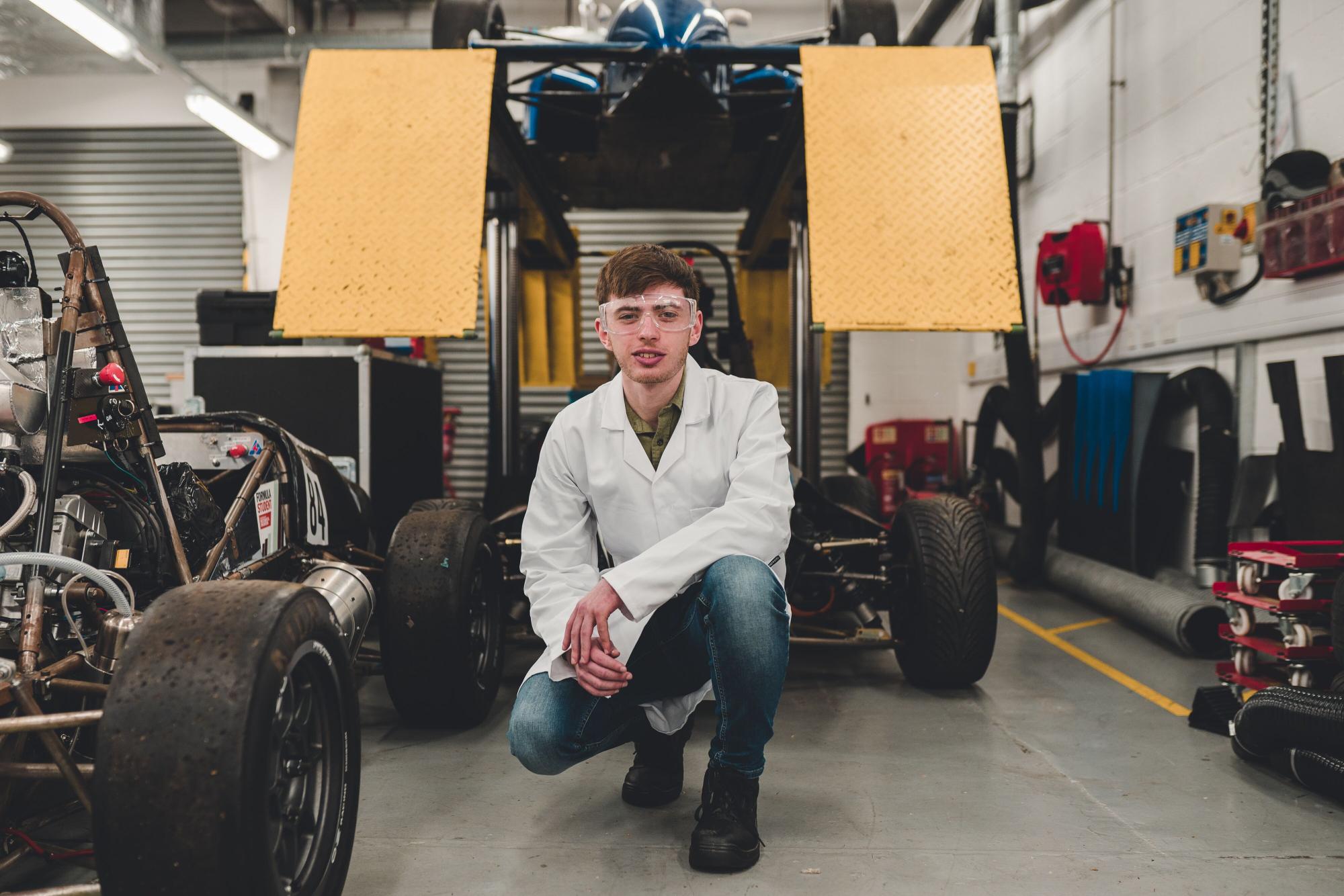
Join this course at Kingston and you too could join the KU e-Racing team and help them drive for success in Formula Student year after year.
IMechE's Formula Student is the largest annual student motorsport event in the world. With its real-world bias, Formula Student is viewed by the motor industry as the standard for engineering graduates to meet. In fact, many high-profile motorsports engineers have participated in Formula Student whilst at university. These include Andrew Shovlin, chief race engineer of Mercedes-AMG Petronas F1 team and James Painter, engineering lead of vehicle integration working on the BLOODHOUND land speed record.
Students on this course can also get involved with the successful Kingston University motorsport team.
KU e-Racing shines at Silverstone
The week after the likes of Lewis Hamilton and Sebastian Vettel raced at the British Grand Prix, students from around the world competed in their own motorsport event at Silverstone in the Institution of Mechanical Engineers' Formula Student competition. Kingston University's KU e-Racing proved to be the only UK team with a viable electric vehicle.
You can also watch this video produced by KU students to see the KU e-Racing car being assembled, the chassis being constructed and the car being transported to Silverstone. In addition, catch glimpses of the business presentation made as part of the University's entry. Watch their full-length documentary on Formula Student.
Accreditations
This course is currently going through the process of reaccreditation with the Institution of Mechanical Engineers (IMechE) for the intake of 2026 and beyond.
The MEng fully meets the exemplifying academic benchmark requirements for registration as a Chartered Engineer (CEng).
The BEng (Hons) will meet, in part, the exemplifying academic benchmark requirements for registration as a Chartered Engineer. Students will need to complete an approved format of further learning pursuant to the requirements of UK-SPEC.
The BEng (Hons) will also meet the exemplifying academic benchmark requirements for registration as an Incorporated Engineer (IEng).
- Further learning details are available on the Institution of Mechanical Engineers website.
- All accredited degrees are displayed on the Institution of Mechanical Engineers website.
Accreditation is a mark of assurance that the degree meets the standards set by the Engineering Council in the UK Standard for Professional Engineering Competence (UK-SPEC). Some employers recruit preferentially from accredited degrees, and an accredited degree is likely to be recognised by other countries that are signatories to international accords.

Monitored Professional Development Scheme
The Monitored Professional Development Scheme (MPDS), also known as the PTU scheme, offered by the Institution of Mechanical Engineers (IMechE), provides a pathway for students to achieve Chartered Engineer (CEng) or Incorporated Engineer (IEng) status. Students can begin their MPDS journey concurrently with their studies at our Department of Mechanical Engineering. Upon graduation, students may need to complete an academic review or further learning whilst still being registered on the MPDS.
Discover mechanical engineering
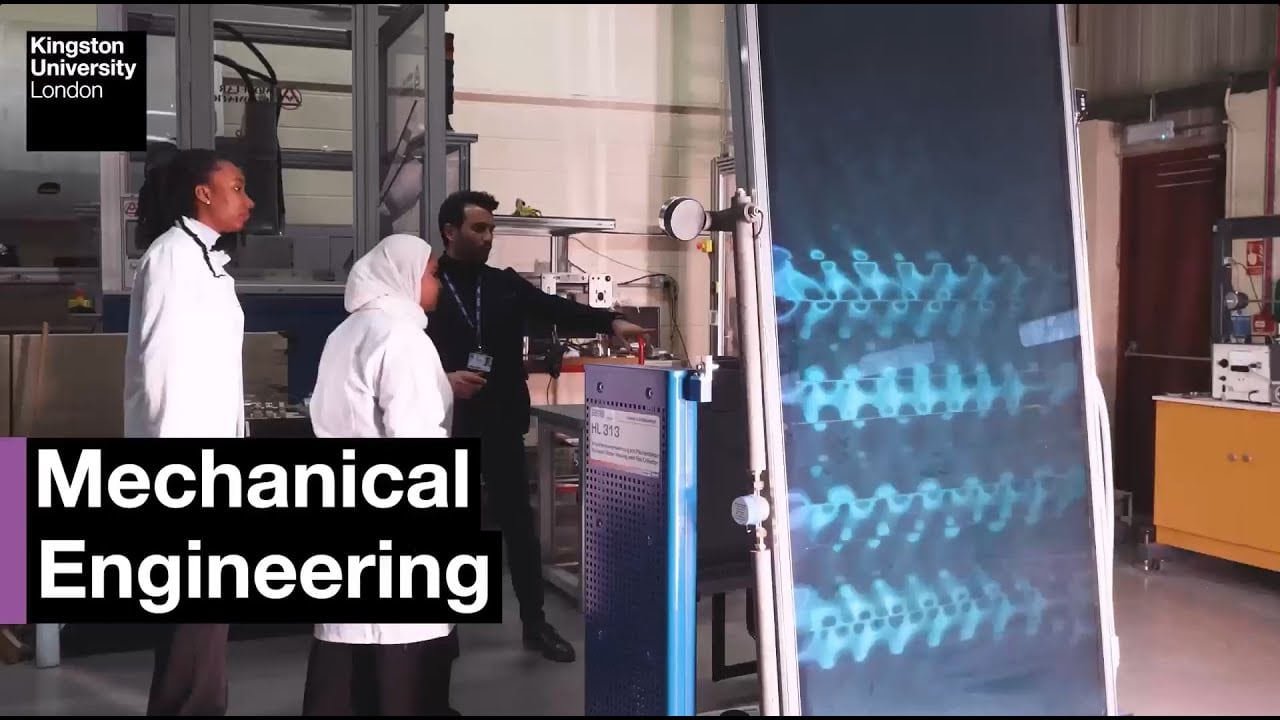
Hear from our students and academics as they share what it's like to study mechanical engineering at Kingston. Learn about the facilities, opportunities and skills you can develop throughout your studies.
Course content
This course offers both a Mechanical Engineering pathway and an Automotive Engineering pathway. The modules for each pathway are listed below.
MEng and BEng students take the same modules until Year 3 when the routes diverge. The MEng contains an extra year of advanced-level study.
Foundation year
An Engineering Foundation course with pathways in Aerospace, Electronic, Mechanical and Robotic Engineering is available.
Year 1
Core modules (both pathways)
Year 2
Mechanical Engineering pathway: core modules
Automotive Engineering pathway: core modules
Year 3
Year 3 comprises core engineering topics and advanced mechanical engineering modules, plus a strong focus on independent and group project work. You will gain an understanding of the business world. MEng students will continue to deepen their knowledge in areas such as computer-aided design and mathematics.
Mechanical Engineering pathway: core modules
Automotive Engineering pathway: core modules
Year 4 - MEng only
The final year of the MEng course will continue to deepen and broaden expertise. A strong emphasis is again on independent learning, as well as an industrially focused group project.
Mechanical Engineering pathway: core modules
Automotive Engineering pathway: core modules
Extended degree with foundation year
If you would like to study one of our engineering degrees at Kingston University but are not yet ready for Year 1 of an undergraduate course, a foundation year is ideal.
International students: direct application
Are you an international student? Have you decided Kingston is the place for you? If so, you can apply for this course directly, rather than having to go through UCAS.

Hear from our students
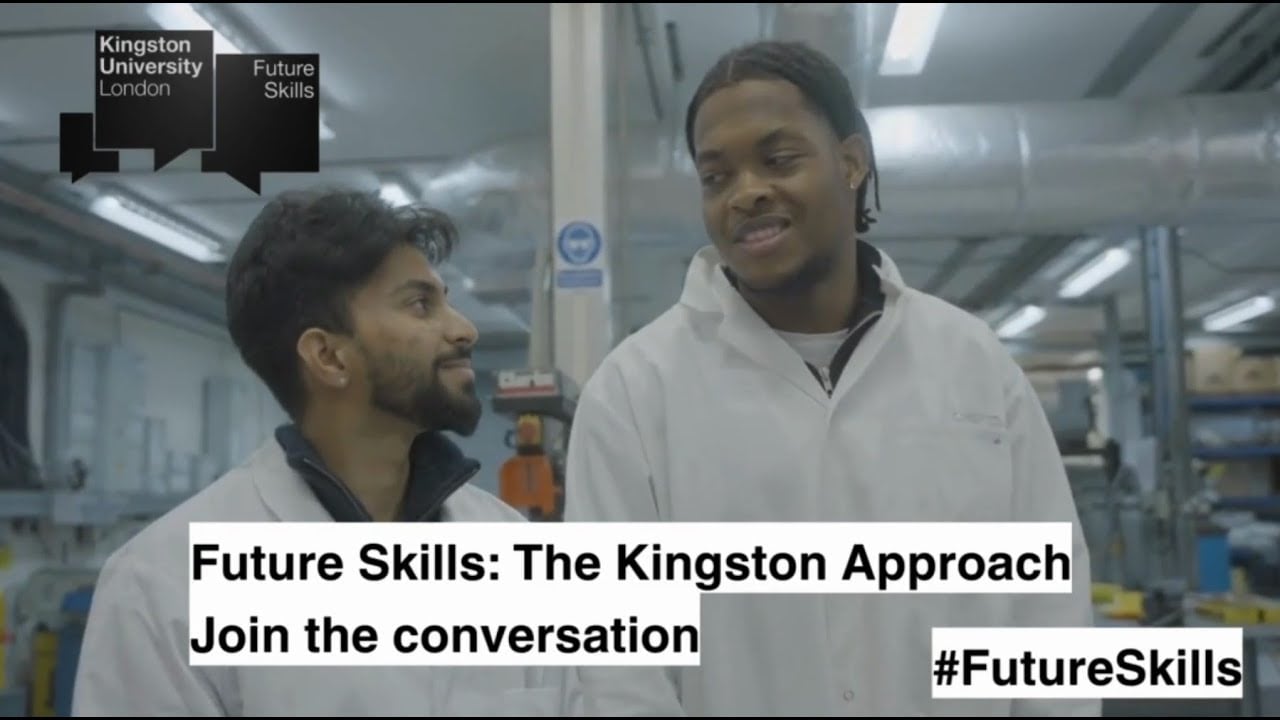
Hear from mechanical engineering students Daunté and Naveen as they talk about their courses and career goals.
What career opportunities does this course offer?
You'll graduate from this course ready for a successful career in industry, having gained hands-on experience, practical, professional and technical skills.
Our graduates typically go on to jobs such as:
- Design Engineer
- Product Development Engineer
- Additive Manufacturing / 3D Printing Specialist
- Biomechanical Engineer
- Structural Analyst
- Simulation Engineer (FEA/CFD)
- Control Systems Engineer
- Data Analyst
- Motorsports Engineer
- Defense / Military Tech Engineer
- Spacecraft Propulsion Engineer
- Startups & Entrepreneurship
- Robotics Engineer
- Railway Engineer
- Vehicle Dynamics Engineer
Employers include Rolls-Royce, Formula 1, Lockheed Martin, British Aerospace, British Airways, McLaren, Subsea 7, Mitsubishi, Eurostar and BAE Systems.
Future Skills
Our Future Skills programme is embedded within all our undergraduate courses and throughout the whole Kingston experience. These skills will help you to become a future-proof graduate by equipping you with the skills most valued by employers, such as problem-solving, digital competency and adaptability.
As you progress through your degree, you'll learn to navigate, explore and apply these graduate skills. You’ll also understand how to demonstrate and articulate to employers how these future skills give you the edge.

Teaching and assessment
Scheduled learning and teaching on this course includes timetabled activities including lectures, seminars and small group tutorials. It may also include placements, project work, workshops, workshops in computer labs, and laboratory workshops.
Fees and funding
Additional course costs
Some courses may require additional costs beyond tuition fees. When planning your studies, you’ll want to consider tuition fees, living costs, and any extra costs that might relate to your area of study.
Your tuition fees include costs for teaching, assessment and university facilities. So your access to libraries, shared IT resources and various student support services are all covered. Accommodation and general living expenses are not covered by these fees.
Where applicable, additional expenses for your course may include:
Scholarships and bursaries
For students interested in studying this course at Kingston, there are several opportunities to seek funding support.

Course changes and regulations
The information on this page reflects the currently intended course structure and module details. To improve your student experience and the quality of your degree, we may review and change the material information of this course. Find out more about course changes
Programme Specifications for the course are published ahead of each academic year.
Regulations governing this course can be found on our website.
What our students and graduates say
I studied a project management module, which enabled me to take a Prince 2 foundation certification. This set me up with the ideal dissertation subject to enhance my aerodynamic knowledge and skillset.
Kingston has prepared me for my future career by exposing me to the motorsport industry through Formula Student. I've also developed my leadership, management and communication skills through group projects.
What are the facilities like?
When you join Kingston University, you will have access to a wide range of facilities and resources designed to support your studies. Use the virtual tour below to explore some of the facilities and learning environments that students within this subject area may experience during their studies.
















Key information
The scrolling banner below displays some key factual data about this course (including different course combinations or delivery modes of this course where relevant).