

Criminology and Forensic Psychology BSc (Hons)
- Law, criminal justice and criminology
- Psychology
- Undergraduate
Begin your career in the justice system with a Criminology and Forensic Psychology BSc (Hons) at Kingston University. Explore what causes crime and how we might prevent it by studying within the context of London’s criminal courts.

Explore the psychology of crime and the workings of the criminal justice system
Investigate crime prevention and ways to limit the harm caused by crime.
Our degrees in the Kingston School of Law, Social and Behavioural Sciences are underpinned by a vibrant research culture. Our TEF Gold standard teaching is delivered by a blend of practitioners and academics, who are dedicated to equipping you with the employability skills to thrive in your career. You will have a wealth of opportunities outside the classroom to further your learning and to prepare for employment in the criminal justice system.
We are also located conveniently close to London's many high-profile law institutions and renowned criminal courts. As such, you will have the opportunity to attend a London Crown Court and visit a forensic crime scene house. You'll also have the option to study in a partner university abroad for a year to gain an international perspective on your studies and experience a different culture.
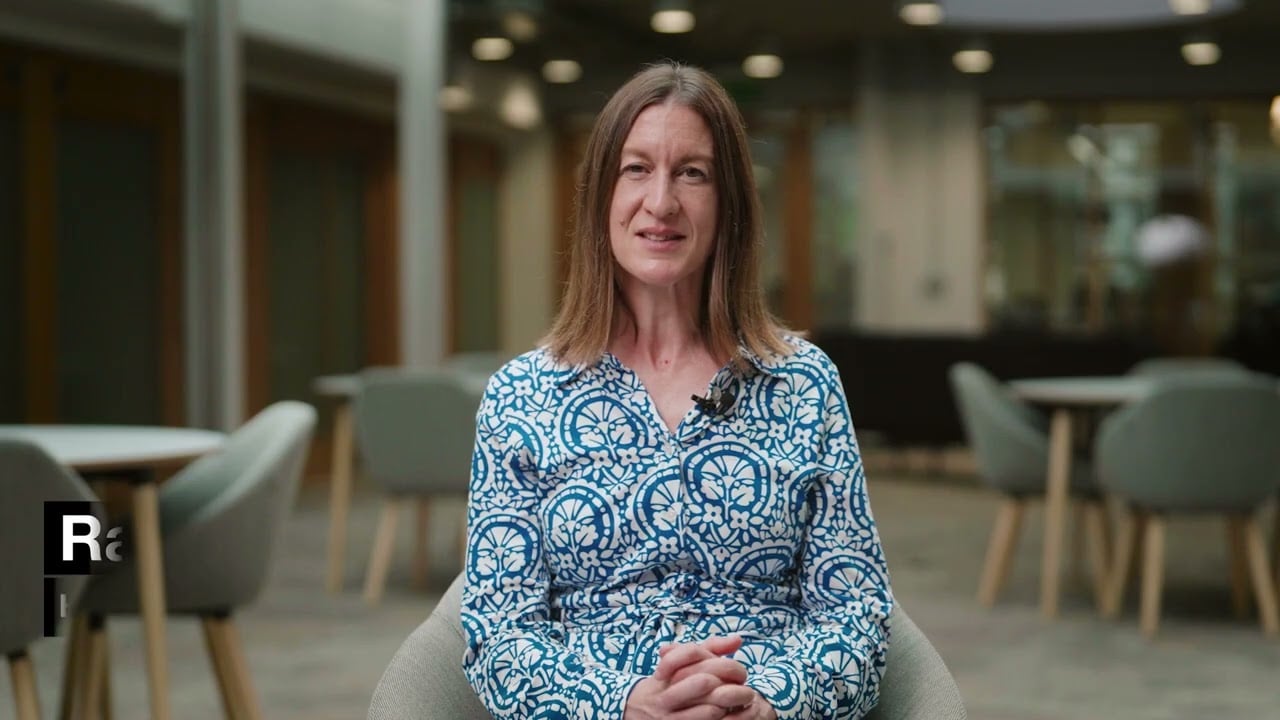
Psychology at Kingston University
Learn more about studying undergraduate psychology at Kingston University and hear from our students and staff.
Why choose this course
Our Criminology and Forensic Psychology course examines the causes and consequences of crime. You’ll investigate crime prevention, ways to limit the harm caused by crime and the workings of the criminal justice system (including policing and punishment).
You'll study individual motivations, psychological influences and the social, cultural and political environments that surround crime. There are advanced modules on the context of crime, criminalisation and investigation, criminal behaviour and therapy. You can also explore your area of interest in greater depth in your dissertation project. As well as subject-specific expertise, you'll graduate with skills in data analysis, communication, team working and project management.
To help you achieve your goals and develop the necessary experience and skills, this course has an integrated internship module and the option of a placement year. Our range of authentic assessments also mimic real-world tasks relevant to future employment.
You’ll learn from guest speakers from a range of relevant organisations and work on live briefs from real-world organisations as part of your assessment. To date, we have worked with local government, charities working on supporting and reintegrating offenders, and campaign organisations. By completing this assessment, you’ll not only learn vital skills for future employment but also help the organisation achieve part of their mission.
Prepare for global impact
Kingston School of Law, Social and Behavioural Sciences offers courses in economics, law, psychology and criminology. Our degrees are underpinned by a vibrant research culture and delivered by a blend of practitioners and academics who are dedicated to equipping you with the employability skills to thrive in your career.

Course content
Take a look at some of the content and modules that you may have the opportunity to study on this course. Please note: Optional modules only run if there is enough demand. If we have an insufficient number of students interested in an optional module, that module will not be offered for this course.
Foundation year: Social Sciences
If you would like to study this degree at Kingston University but are not yet ready to join the first year of a BSc (Hons) course, you may want to consider studying this course with a foundation year.
Year 1
In your first year, you'll cover the core theories and explanations for crimes, crime investigation and the criminal justice system. You'll be introduced to the foundations of Forensic Psychology and will develop your research methods skills.
Core modules
Year 2
In Year 2 you'll deepen your knowledge of individual causes and consequences of crime through the study of mental health, and of crime control measures in the form of policing and punishment. You will explore the different ways of approaching criminology and assess how these different approaches relate to different kinds of criminological methods.
Core modules
Optional year
You have the option to take an additional year to study abroad or to undertake a year-long work placement overseas (or even a mix of both).
Professional placement year
This course has a professional placement year option which takes place between Year 2 and your Final year. During this professional placement year you will take a placement within a relevant setting, ensuring you gain essential experience to add to your CV and help you secure a graduate job.
Final year
In your final year, you will be introduced to relevant issues within the realm of globalisation, terrorism and international crime. You will focus on psychological aspects central to the investigative process, such as interviewing, identification, profiling, decision-making and deception. You will also choose between a Criminology Dissertation or the Applied Social Science module.
Core modules
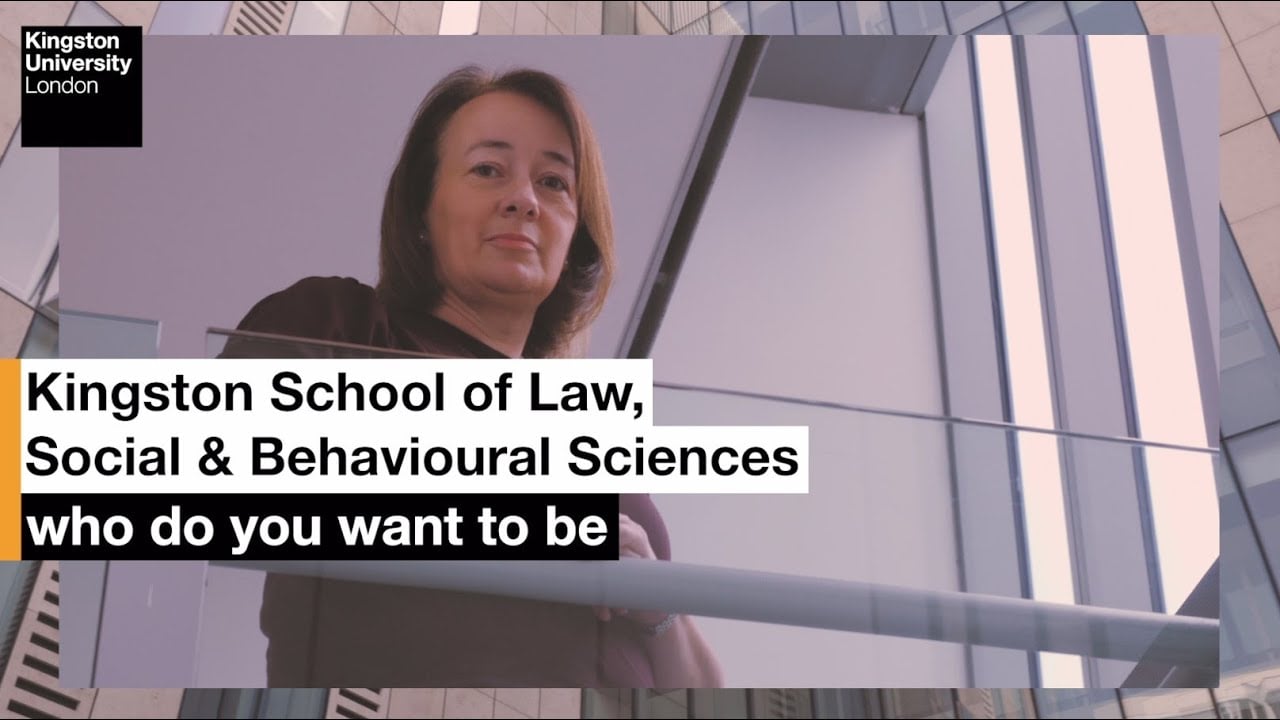
Inside the School of Law, Social and Behavioural Sciences
Hear from current students, graduates and our academics as they talk about what it's like to study in the School of Law, Social and Behavioural Sciences.
International students: direct application
Are you an international student? Have you decided Kingston is the place for you? If so, you can apply for this course directly, rather than having to go through UCAS.

What career opportunities does this course offer?
Graduates from our Criminology and Forensic Psychology BSc (Hons) degree course typically work in careers connected to the criminal justice system.
Alternatively, they go on to work in other ‘people-oriented' professions, for example as counsellors, teachers and probation officers.

Future Skills
Our Future Skills programme is embedded within all our undergraduate courses and throughout the whole Kingston experience. These skills will help you to become a future-proof graduate by equipping you with the skills most valued by employers, such as problem-solving, digital competency and adaptability.
As you progress through your degree, you'll learn to navigate, explore and apply these graduate skills. You’ll also understand how to demonstrate and articulate to employers how these future skills give you the edge.

Teaching and assessment
Scheduled learning and teaching on this course includes timetabled activities including lectures, seminars and small group tutorials.
Fees and funding
Additional course costs
Some courses may require additional costs beyond tuition fees. When planning your studies, you’ll want to consider tuition fees, living costs, and any extra costs that might relate to your area of study.
Your tuition fees include costs for teaching, assessment and university facilities. So your access to libraries, shared IT resources and various student support services are all covered. Accommodation and general living expenses are not covered by these fees.
Where applicable, additional expenses for your course may include:
Scholarships and bursaries
For students interested in studying this course at Kingston, there are several opportunities to seek funding support.


What are the facilities like?
When you join Kingston University, you will have access to a wide range of facilities and resources designed to support your studies. Use the virtual tour below to explore some of the facilities and learning environments that students within this subject area may experience during their studies.
Course changes and regulations
The information on this page reflects the currently intended course structure and module details. To improve your student experience and the quality of your degree, we may review and change the material information of this course. Find out more about course changes
Programme Specifications for the course are published ahead of each academic year.
Regulations governing this course can be found on our website.





Key information
The scrolling banner below displays some key factual data about this course (including different course combinations or delivery modes of this course where relevant).


